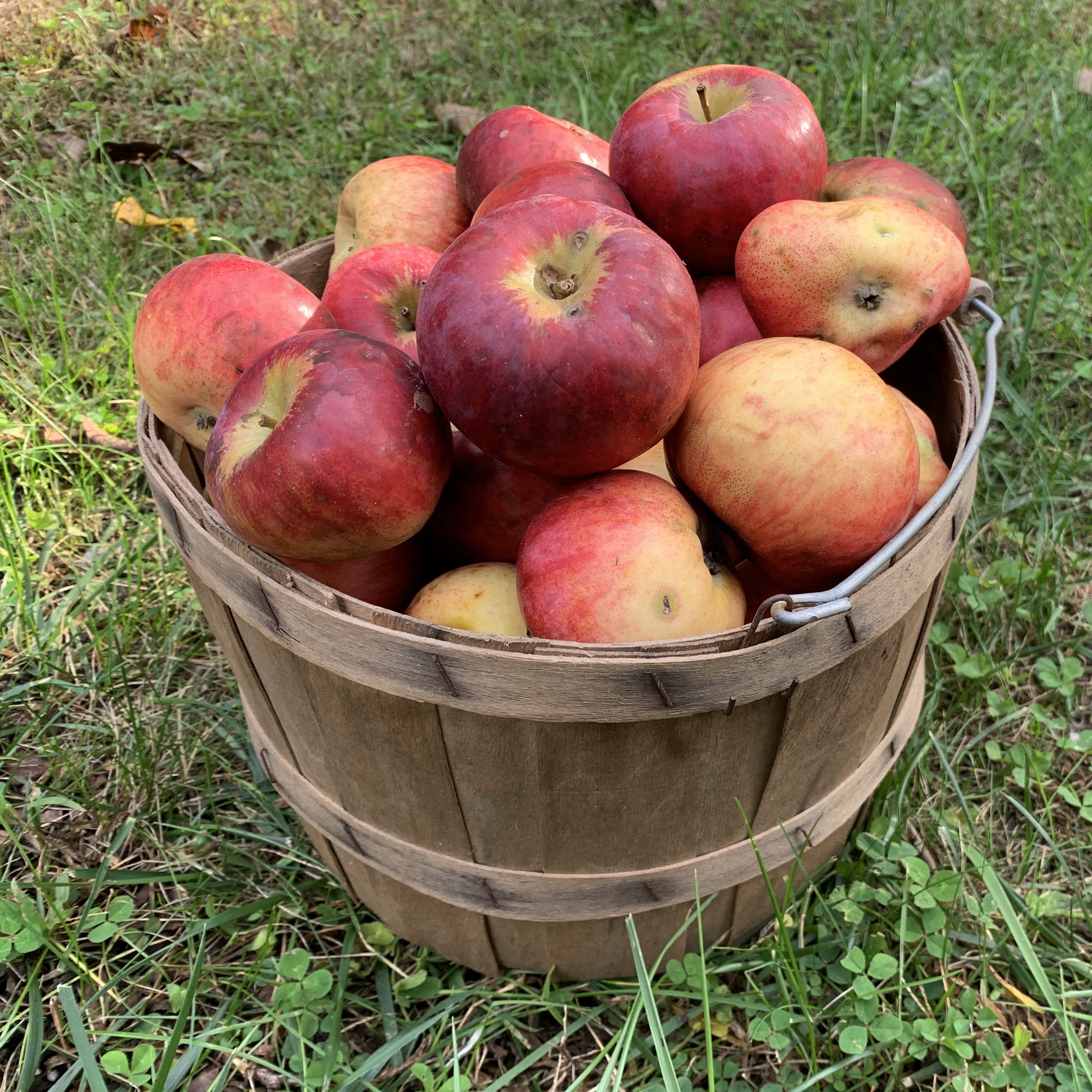
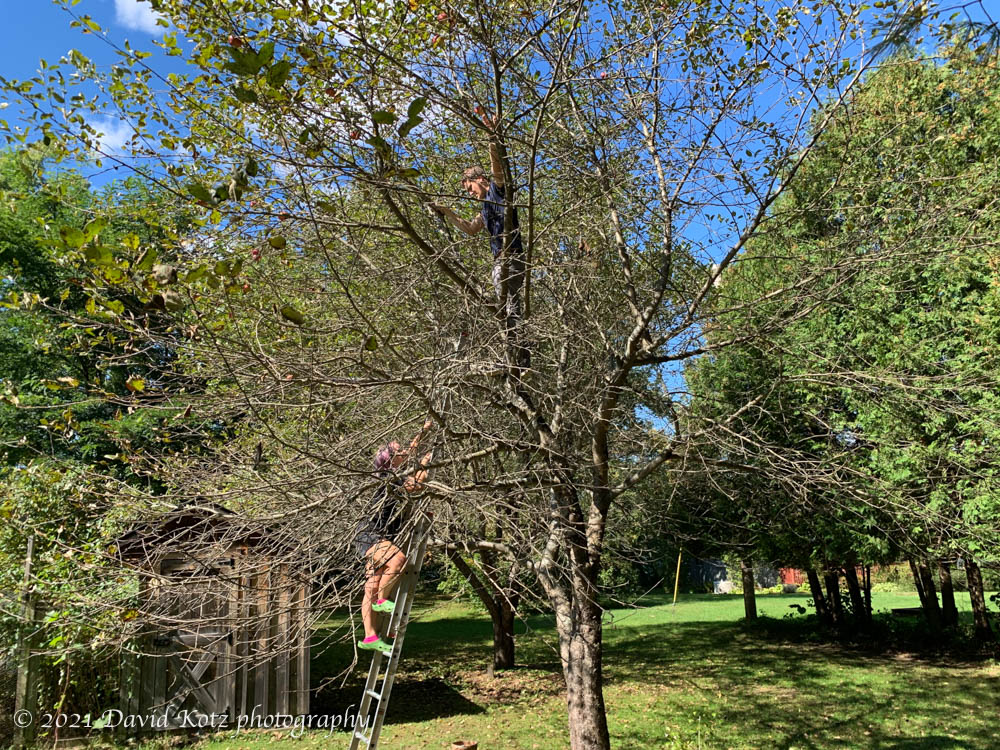
We planted a couple apple trees about 20 years ago, and they’ve finally born a real bounty of fruit! It was tricky to pick them so Andy and Mara climbed into the tree and shook the branches until all the apples fell!
Time to make applesauce…
Apple pickin’ time.
We planted a couple apple trees about 20 years ago, and they’ve finally born a real bounty of fruit! It was tricky to pick them so Andy and Mara climbed into the tree and shook the branches until all the apples fell!
Time to make applesauce…
Revisiting old friends.
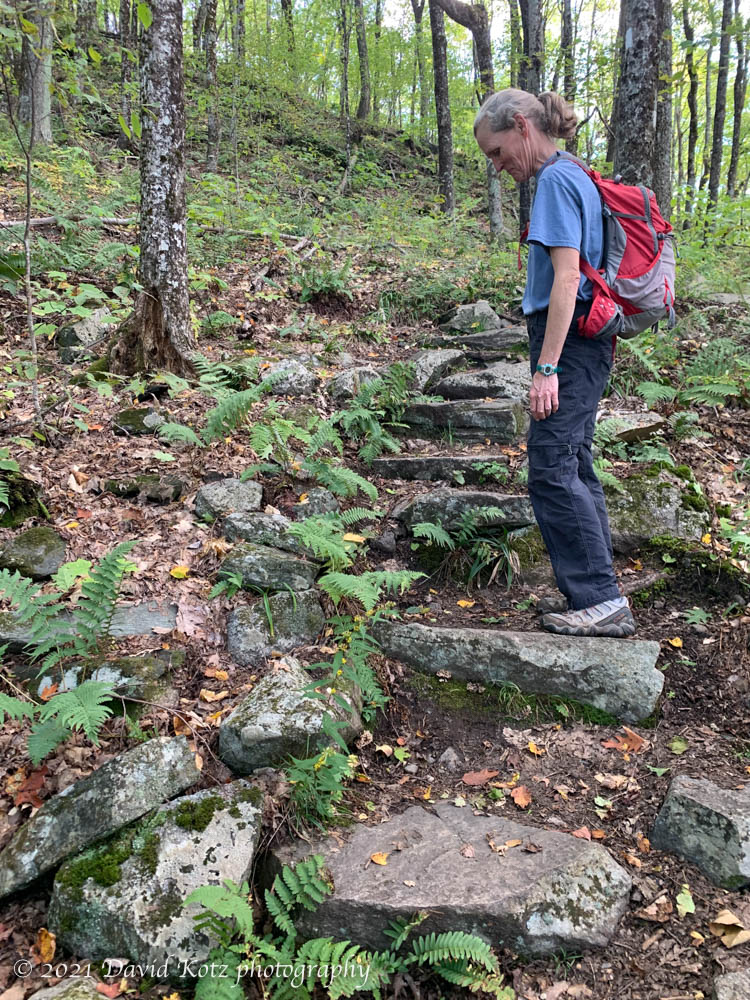
It was another pleasant fall day, with moderate temperatures and intermittent sunshine. I took the opportunity to hike with an old friend, Lelia, and to visit another old friend – the Appalachian Trail on the north side of Moose Mountain.
I remember spending many chilly afternoons in the fall of 1982, scrambling through the Hanover forest with other eager first-year undergraduate students, clearing a new route for the Trail on the steep slopes of Moose Mountain. I learned to fell trees, build sidehill cribbing, and build rock steps from huge boulders using nothing but rock bars, strong arms, and the seemingly limitless enthusiasm of 18-year olds. We were pleased to those steps have held up after nearly 40 years and thousands of thru-hikers.
Continue reading “Moose Mountain”A new location for me.
Today was a beautiful fall day, with blue skies and a hint of oranges and reds scattered through the hardwood forests on the slopes of the White Mountains. I had a slow start to my morning but wanted to visit a new place, so I selected Hedgehog Mountain from the list of “52 with a view”. I’m surprised I’d never heard of it before, though it is located in the center of the Whites and is a close neighbor of some of the better-known four-thousand footers.
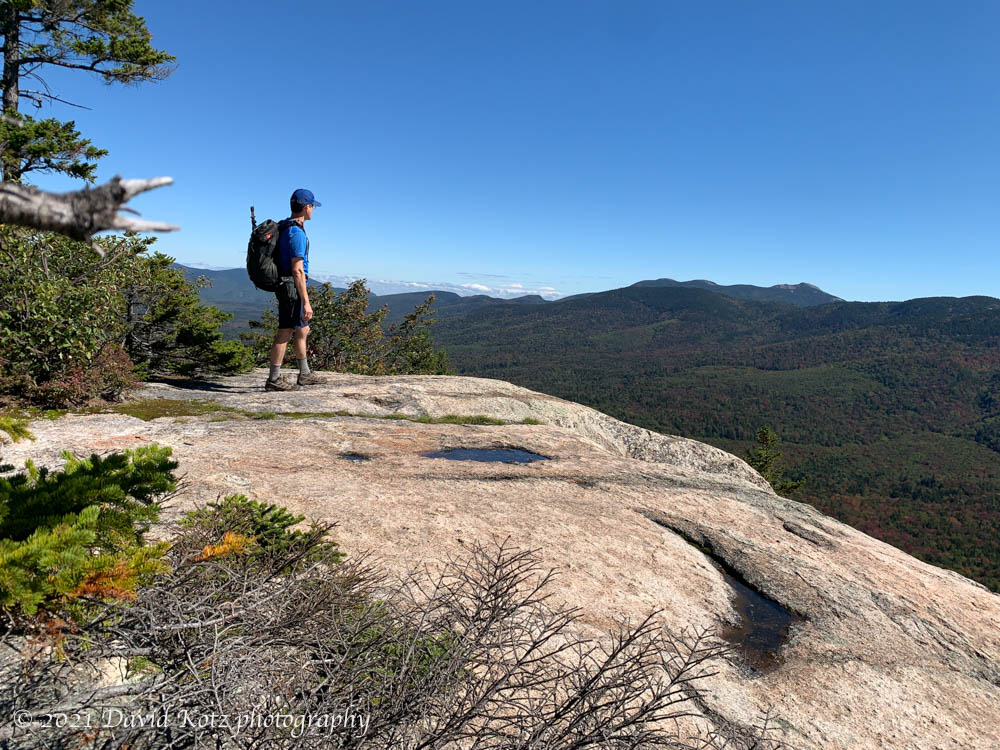
Great views, close to home.
The Appalachian Trail passes right through the town of Lyme, where we live. It wanders through the forests, across the brooks, and over the hilly terrain of Moose Mountain, Holts Ledge, and Smarts Mountain. Last weekend I had a little time for two quick hikes along the A.T. On Saturday I scrambled up Lambert Ridge, a shoulder of Smarts Mountain, to a ledgy outcrop that has expansive views to the east. Along the way I listened to the acorns dropping from oak trees all around… and startled a chipmunk, holding one of those prized acorns in his little paws. After a brief standoff, he scampered away.
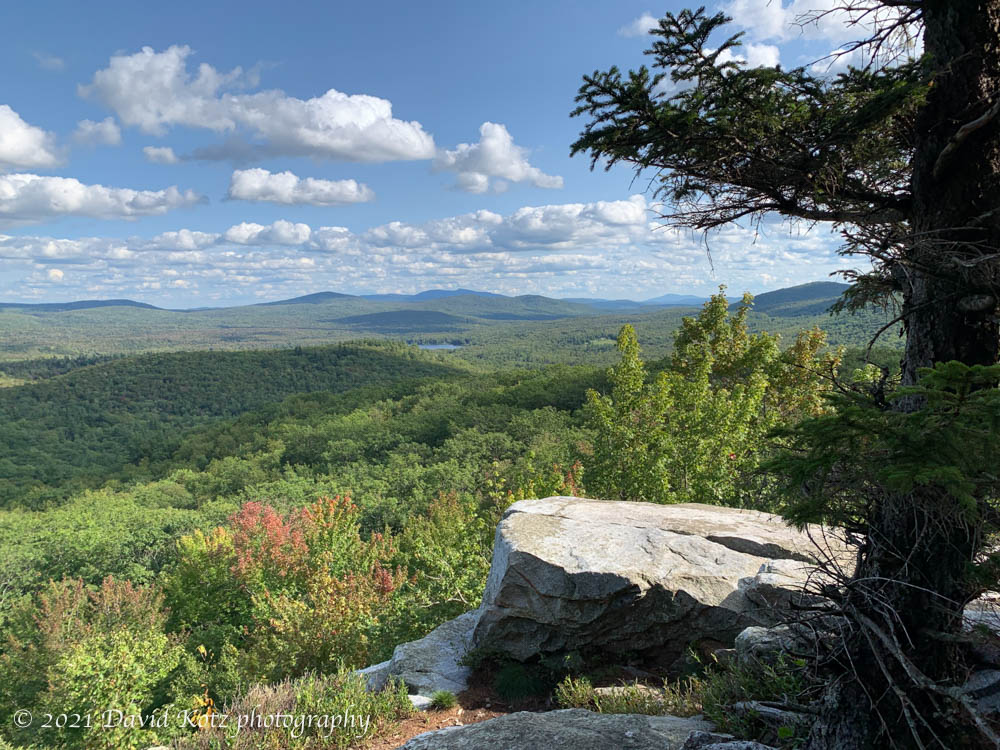
On Sunday, I returned to the area and climbed up to Holts Ledge, which has wide views to the south. Here, a chain-link fence keeps hikers away from the edge, not just for safety but to protect the endangered peregrine falcons who nest on the cliffs. This cliff is at the top of the Dartmouth Skiway, allowing a nice loop hike by strolling down the grassy ski slopes.
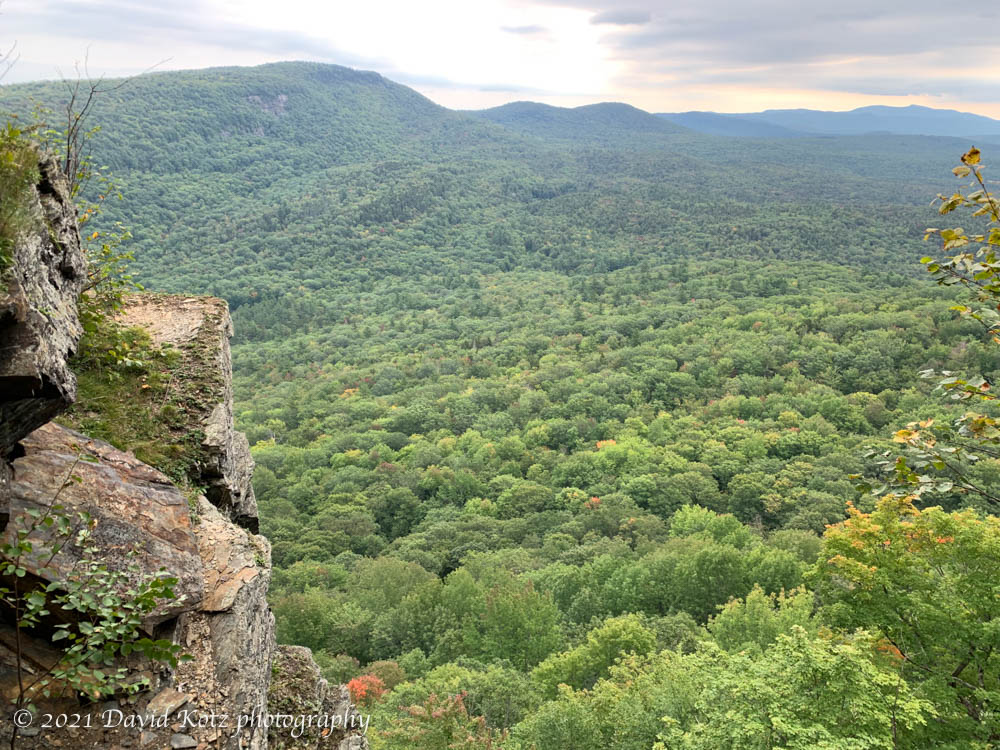
The amazing thing is that both of these hikes are only 15-20 minute drive from my house, and can be completed in less than an hour of hike time, so they’re a great opportunity for a break from a busy weekend. See the small gallery.
Harvest time!
One of the great treats of September is the arrival of raspberry season. Pam’s raspberry patch, tended and cultivated now for almost twenty years, is bursting forth with berries. We pick and freeze a a pint or two every day!
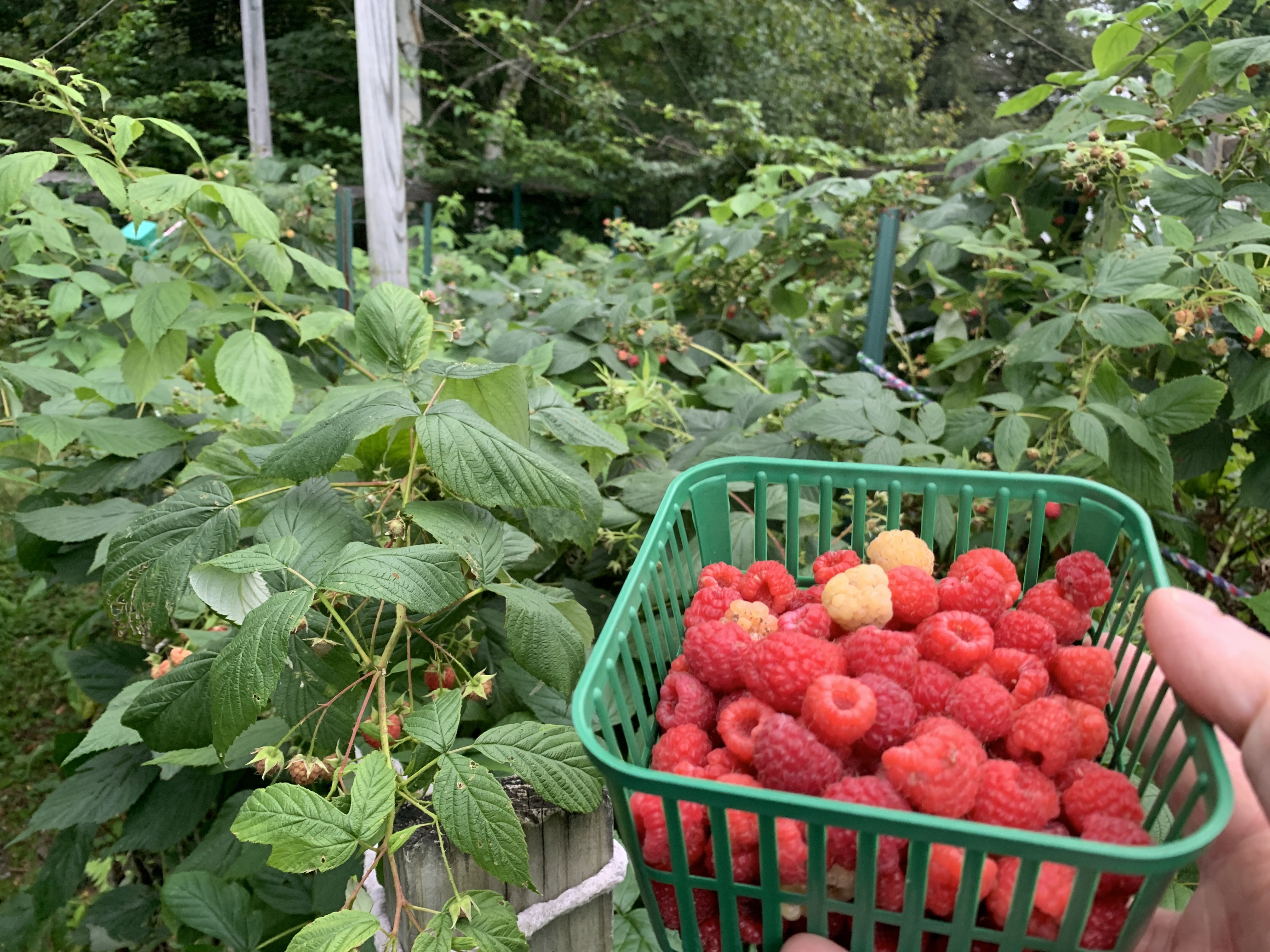
They’re remarkably hardy, and will tend to keep producing after the first frost or two. We’ll be enjoying them fresh for the rest of the month, and frozen for the rest of the winter.
Cloudy and crowdy but worthwhile.
On this holiday long weekend I did not want to jostle for a parking space at the popular hiking spots in the White Mountains, so I decided to head south to Mount Kearsarge. It is also very popular – too popular, as its worn, eroded trails will attest – but at least its broad, open summit allows the crowds to spread out. I was last up there in November, with a bit of early snow and ice visible; on that day I had foolishly typed “Mount Kearsarge” into my nav system and ended up on the far (southern) side of the mountain, in Rollins State Park – where the road climbs far up the southern ridge to a parking lot less than a half mile from the summit. So this time I was more careful, parking in Kearsarge State Park on the northwest side – allowing a 1.1 mile climb of the rocky Winslow Trail and descent via the 1.8 mile Barlow Trail.
A grueling hike up and down the slides of the Tripyramid range.
In search of new places to go, I find myself thinking back to hikes I completed more than a quarter-century ago; enough time has passed that they may as well be “new” again, for me. I’ve had my eye on the Tripyramids for several years now, because they make an intriguing triplet, easily recognizable on any horizon. Most notably, when I climbed them last in 1985, we approached from the north, from the Kancamagus Highway; now, it was time to try the western route, up the sheer North Slide and down the scree-filled South Slide. Read on, and check out the photo gallery.
A climb above the valley fog to clear my mind.
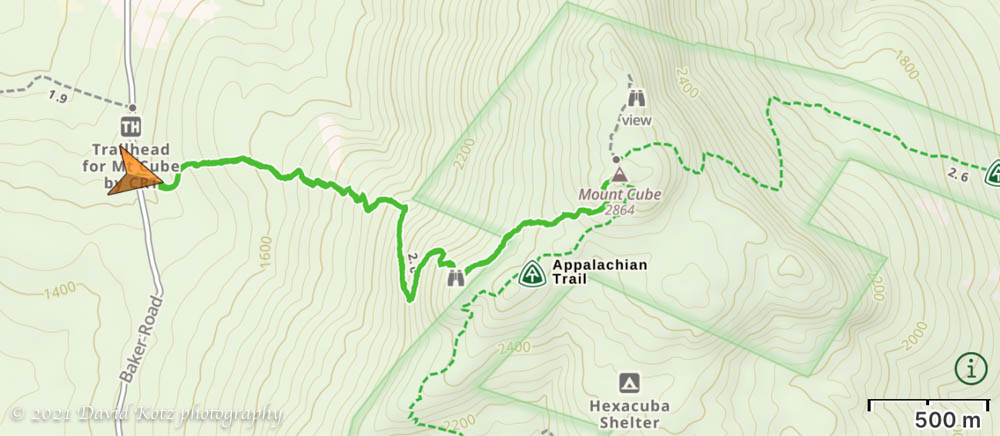
After a busy and challenging work week, it was a pleasure today to return to one of my local peaks for a quick morning outing. I’ve already climbed Mount Cube a few times this year, in winter, spring, and summer, partly because it is close by (less than 30 minutes’ drive) and because it has a remarkably nice view for such a short climb (2 miles). The Rivendell Trail up Mount Cube is a favorite of many in the area, so I was surprised to see only one car at the trailhead when I arrived a bit before 9am.
A chipmunk takes a ride.
On my drive home one evening this week, a chipmunk suddenly slid down the window of my car and clung on to the window seal for dear life. I slowed to a stop and pulled out my phone. He was scared and reluctant to leave…. see the video!

Some of our many neighbors.
I was out for a paddle along the Connecticut River near home, this afternoon, and took a side trip among the reeds and brush that form the ‘delta’ at the mouth of Hewes Brook. This area is popular with ducks, herons, geese, kingfisher, beaver, and countless other residents. Today, a pair of American Bittern posed for me in the brush of a tiny islet while I came by. More photos.

Earlier this month I’ve seen white Egrets and Great Blue Herons feeding nearby, as well as Canada Geese, many varieties of ducks, and a pair of loons. Need to bring my camera more often!

