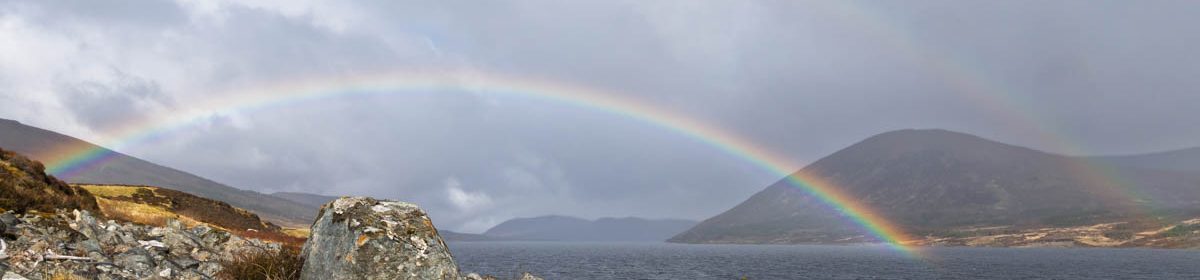
The weather is summery and I had some free time today, so I decided to take a walk in Hampstead Heath – a large, forested park in northwestern London – and stop for lunch in Kenwood House, a historic mansion that now serves as a public art museum. It was reputed to have a lovely café, so I stashed my laptop in my backpack and took the #24 bus to its endpoint near Hampstead Heath.
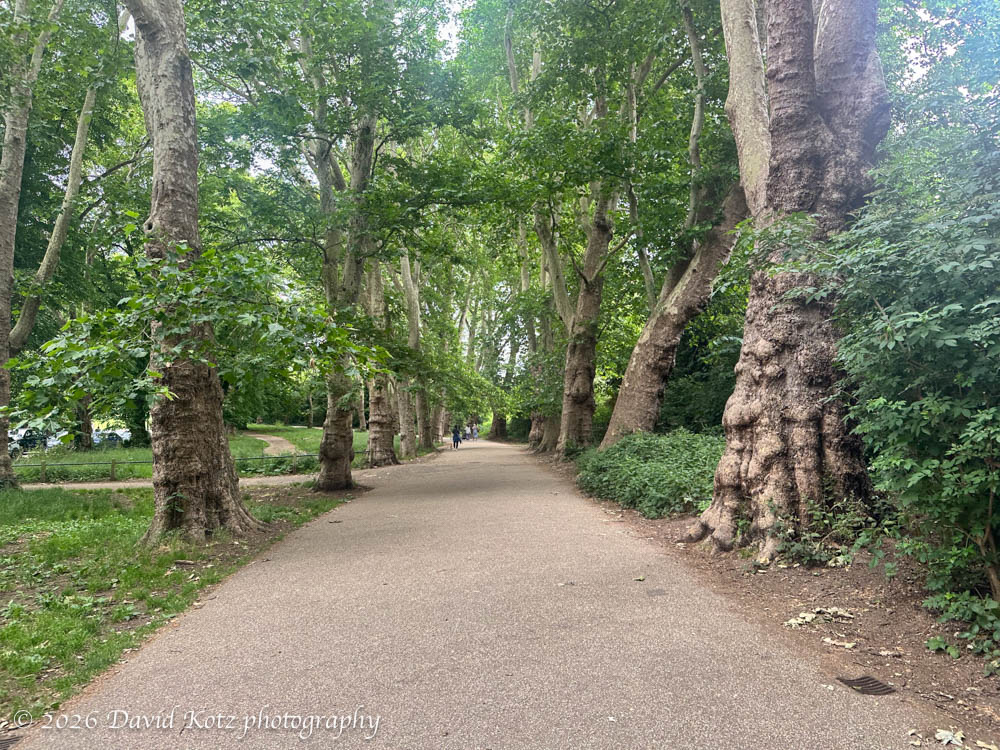
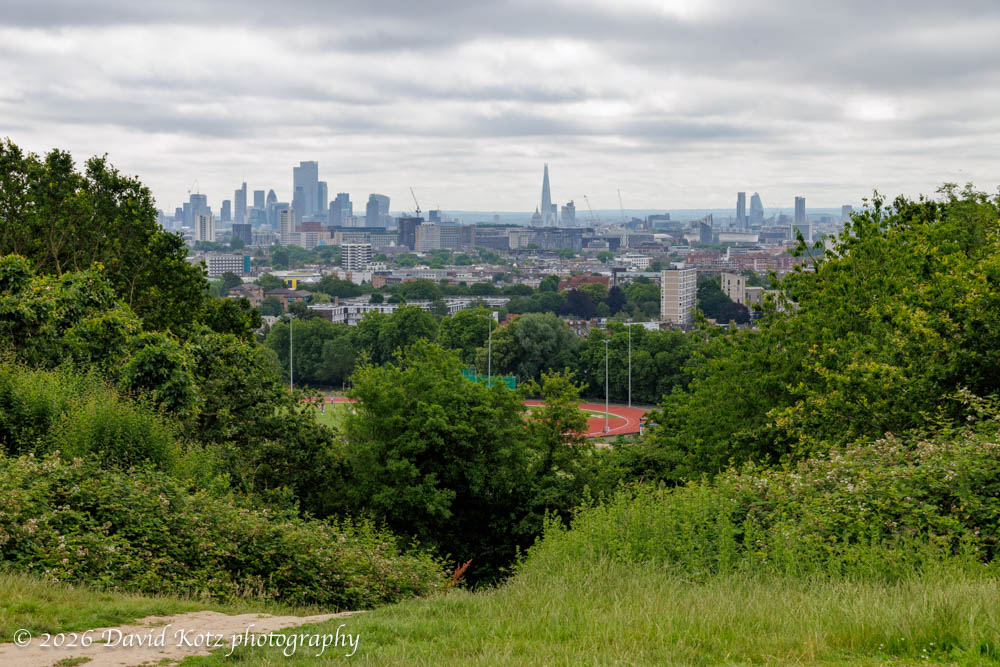
Unlike some of London’s other large parks (like Hyde Park), Hampstead Heath is less of a garden with pathways and more like a forest with trails. Indeed, many of the trails are ad hoc creations by wanderers. But some sections are paved, lined with beautiful trees. Several ponds dot the landscape, including some dedicated to wildlife (no dogs, please!); some for men’s bathing, women’s bathing, or mixed bathing; and one specifically for Model Boats. My first destination was the high point of Parliament Hill, which offers broad views back into London.
Then into a gated section of the forest, Ken Wood, where I followed pathways to Kenwood House. Famous since the 18th century when its owner, Lord Mansfield, expanded and renovated it, it was later bought by Edward Cecil Guinness, 1st Earl of Iveagh, better known for his successful brewing business. He was an ardent art collector, and in 1927 bequeathed the collection, the house, and grounds, to the public. It is now managed by English Heritage and has been beautifully restored.
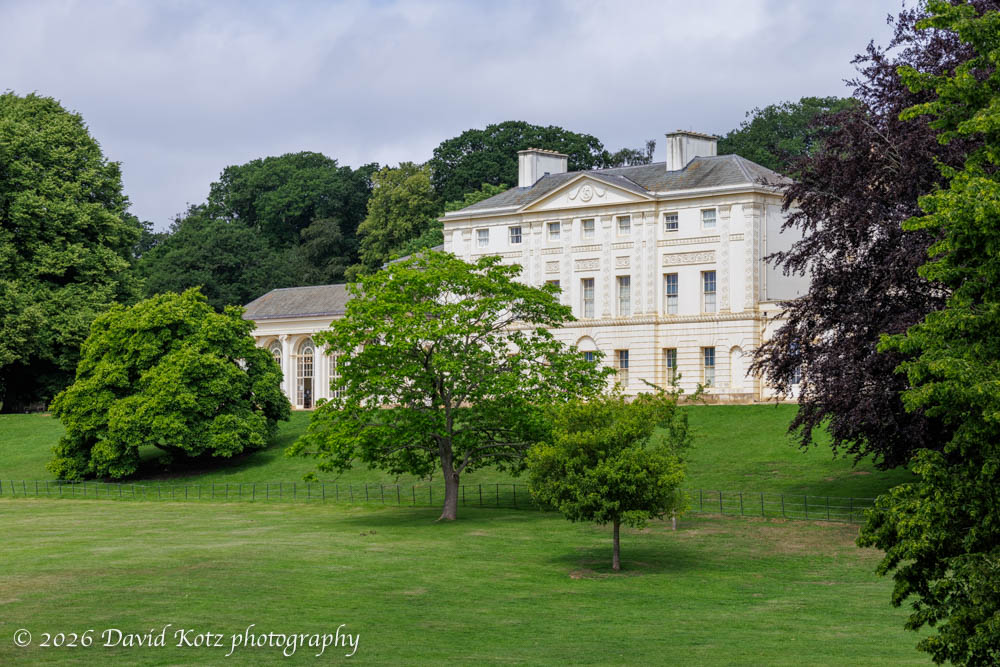
It is also famous as the home of Dido Belle, Lord Mansfield’s grand-niece, who was raised here at the mansion. Her story is interesting, and likely unique for the era. She arrived in England in 1765, the illegitimate daughter of a Royal Navy officer and a Black enslaved woman in the Caribbean. She was raised by Lord Mansfield and his wife as a free woman, as a well-educated gentlewoman, alongside another grand-niece. It seems likely that this experience influenced Lord Mansfield, who was Lord Chief Justice for over 30 years, when he issued a landmark ruling that later led to the abolition of slavery. [Lots more in Wikipedia.]
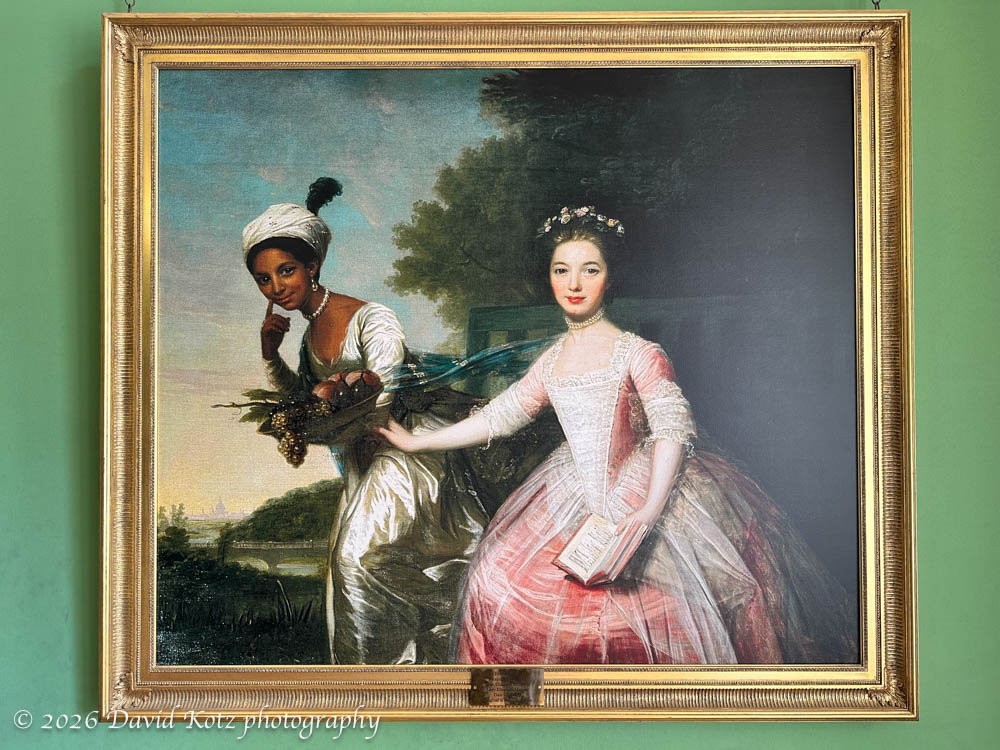
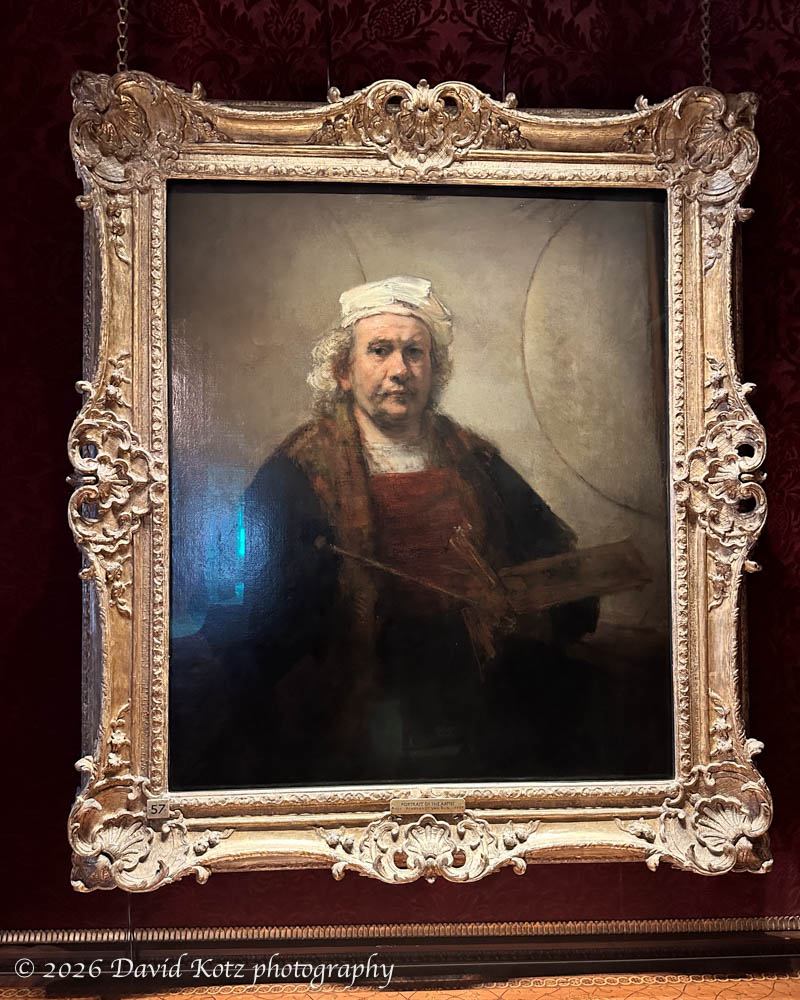
The home is full of paintings. Perhaps the most famous is Self-Portrait with Two Circles, one of Rembrandt’s final paintings at the end of his life.
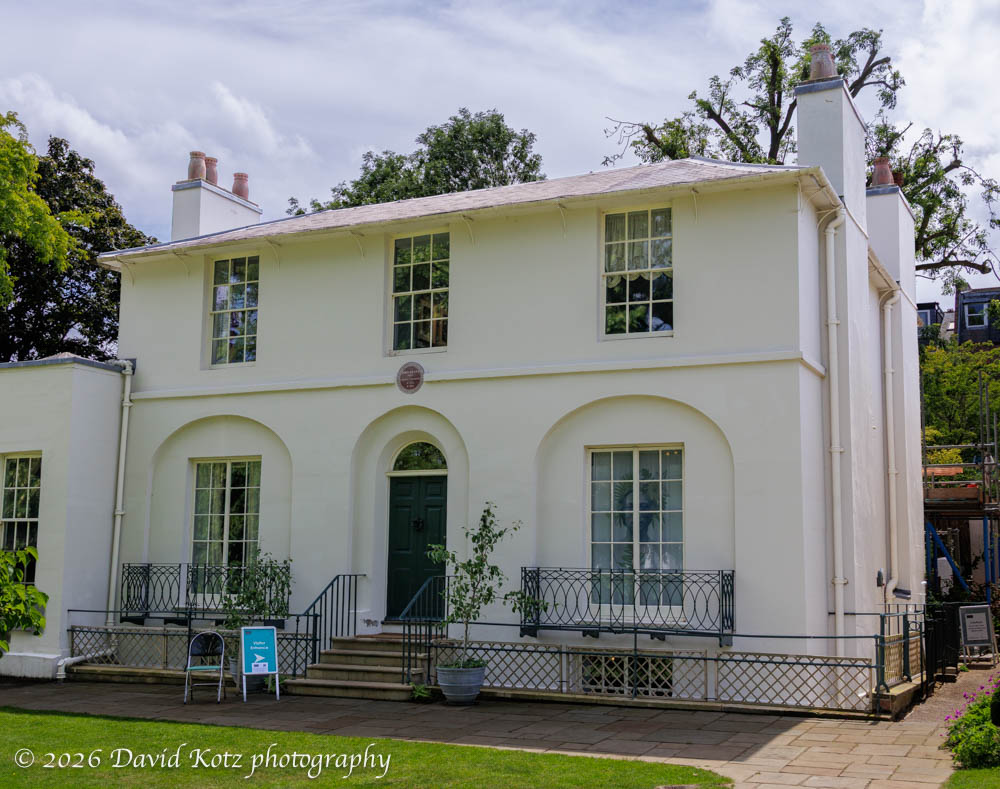
After lunch at the café, I hiked out of the park and down the street toward my starting point. Near there, a brief side trip took me to the garden beside Keats House, where the poet lived for a few years toward the end of his short life. The poem Ode to a Nightengale was written in this garden!
I’ve included these and more photos in the photo gallery.
Hike stats: (excluding my tour of the house and cafe)
Distance: 1.89+2.28 = 4.17 miles (6.17km)
Time: 43m+51m = 1h34m
Gain: 205+119 feet (99m)
GaiaGPS track (morning, afternoon)
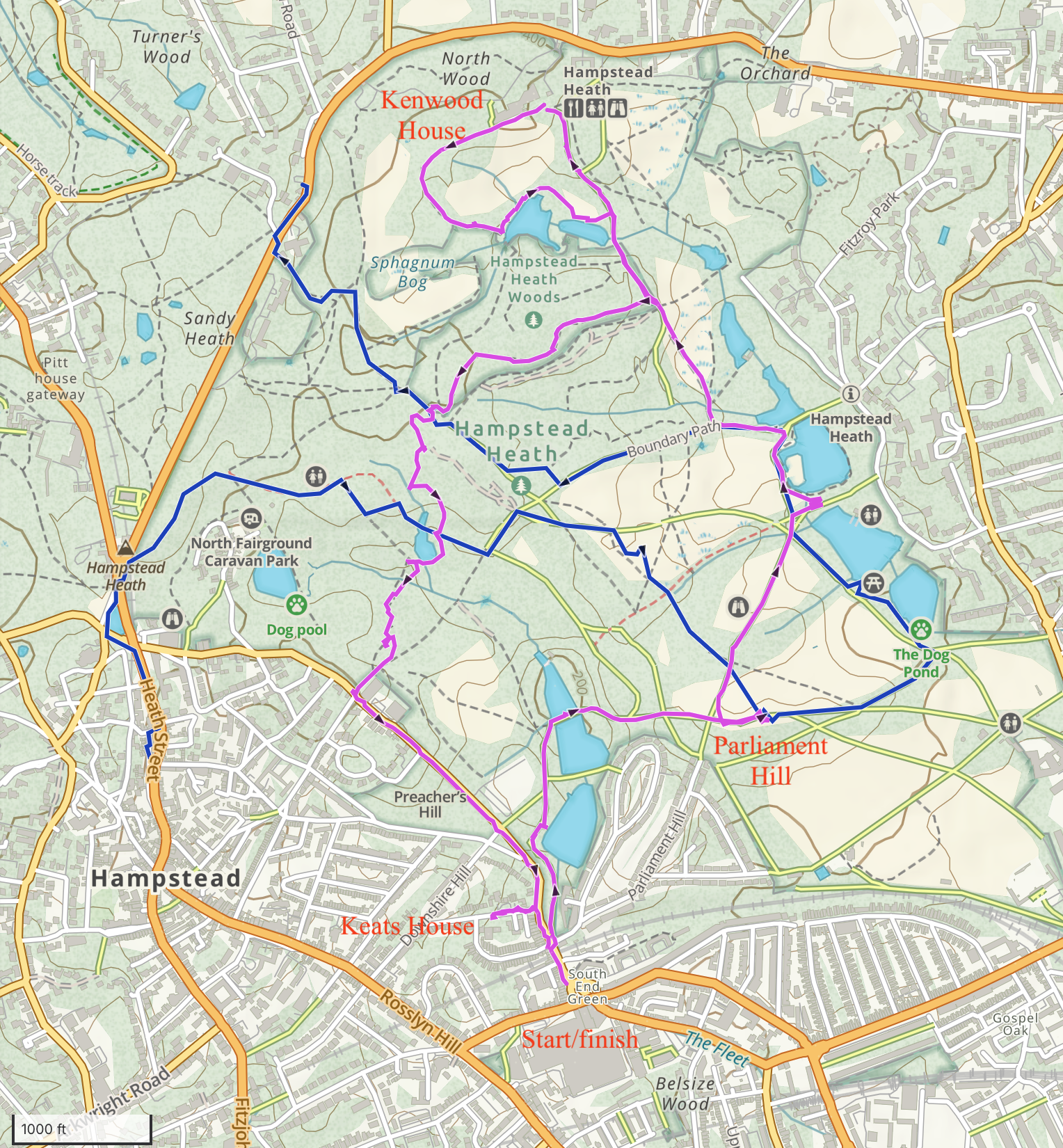
The blue track is from our visit last fall.


One thing rarely mentioned is how special and valuable the frames are. We heard a lecture here just about frames, especially old ones