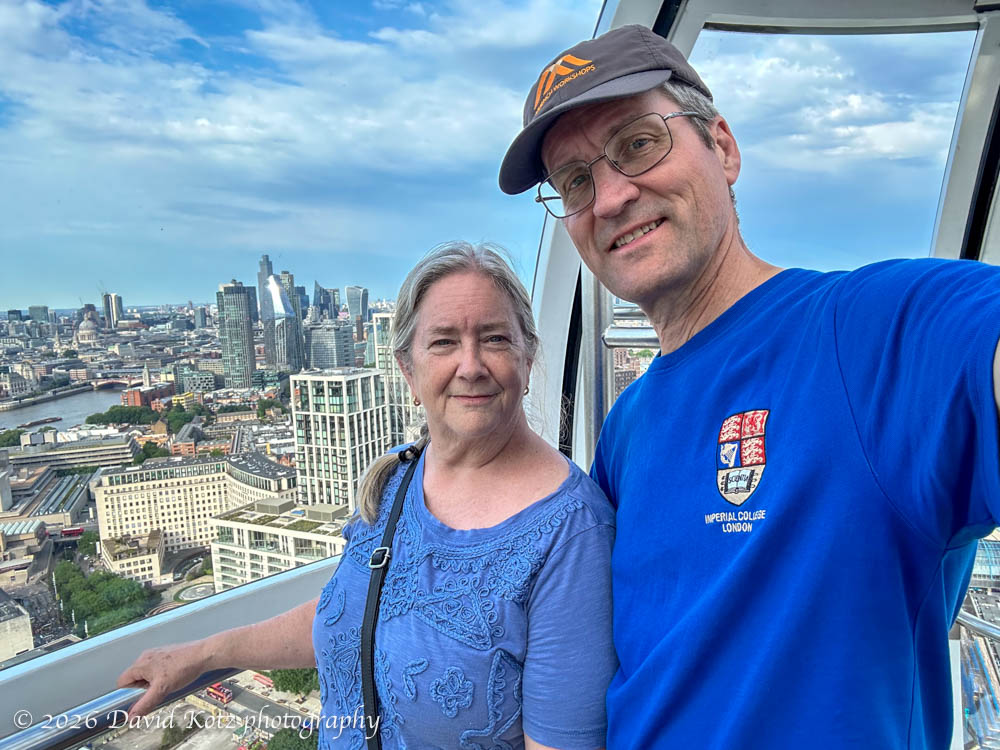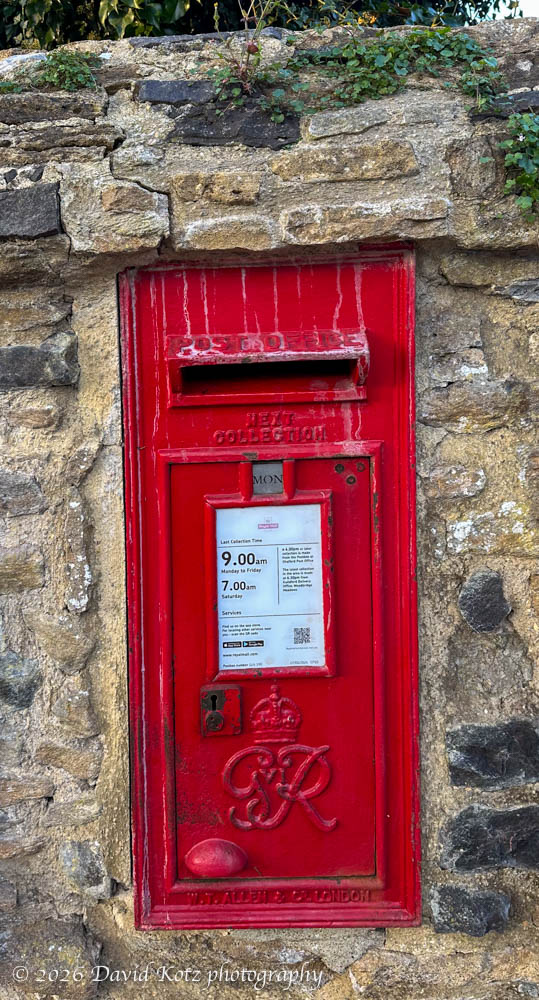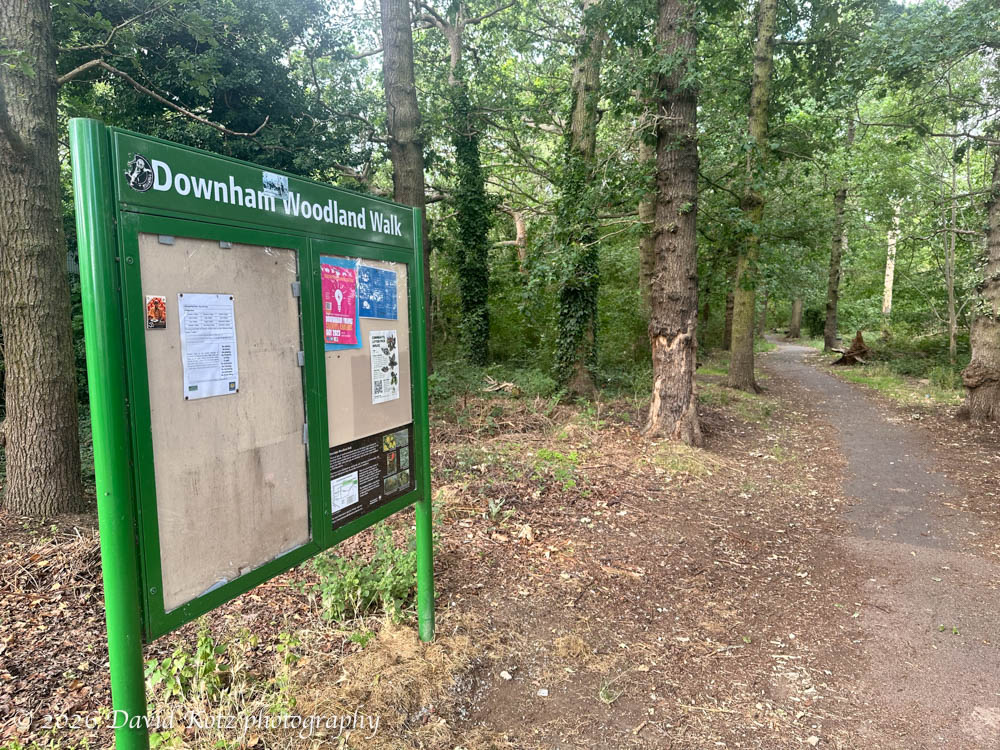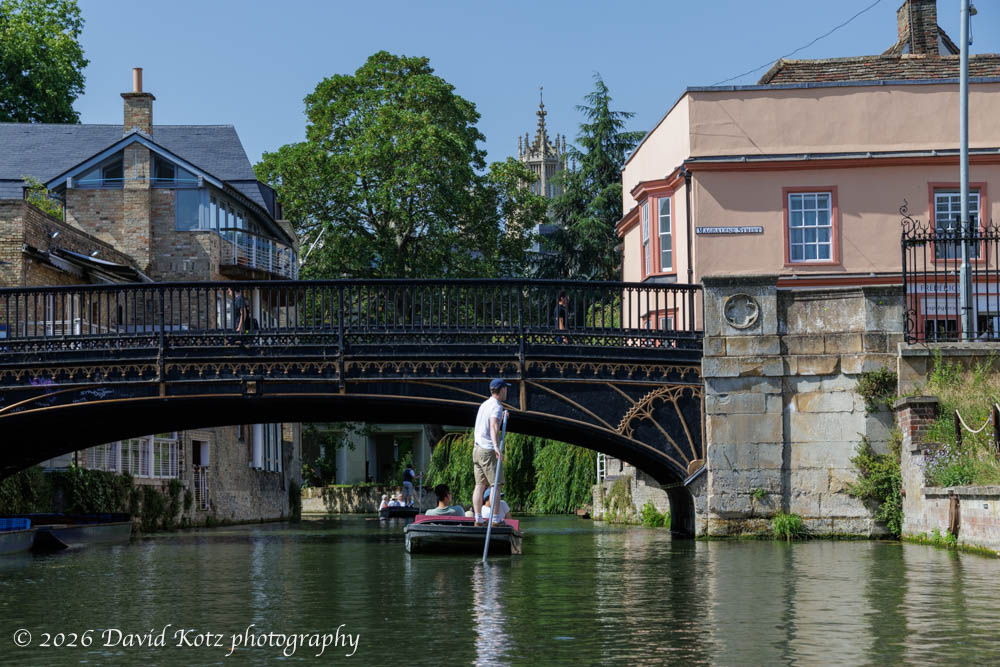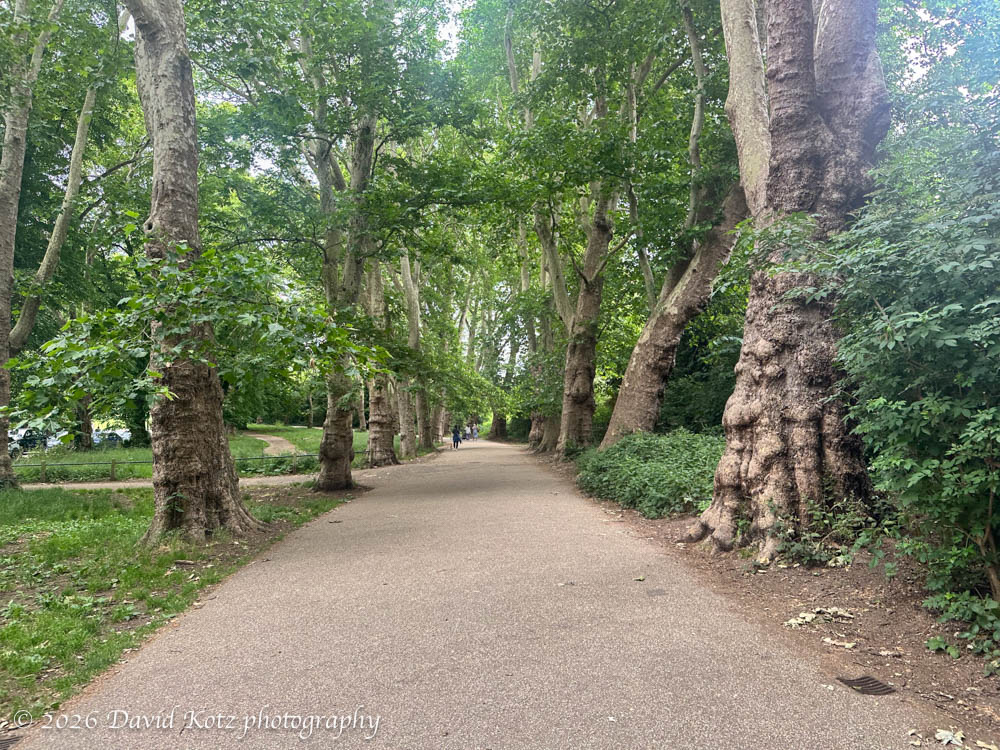
The weather is summery and I had some free time today, so I decided to take a walk in Hampstead Heath – a large, forested park in northwestern London – and stop for lunch in Kenwood House, a historic mansion that now serves as a public art museum. It was reputed to have a lovely café, so I stashed my laptop in my backpack and took the #24 bus to its endpoint near Hampstead Heath.
A sunny hike through English countryside west of London, with a stop at 2000-year-old Roman ruins.
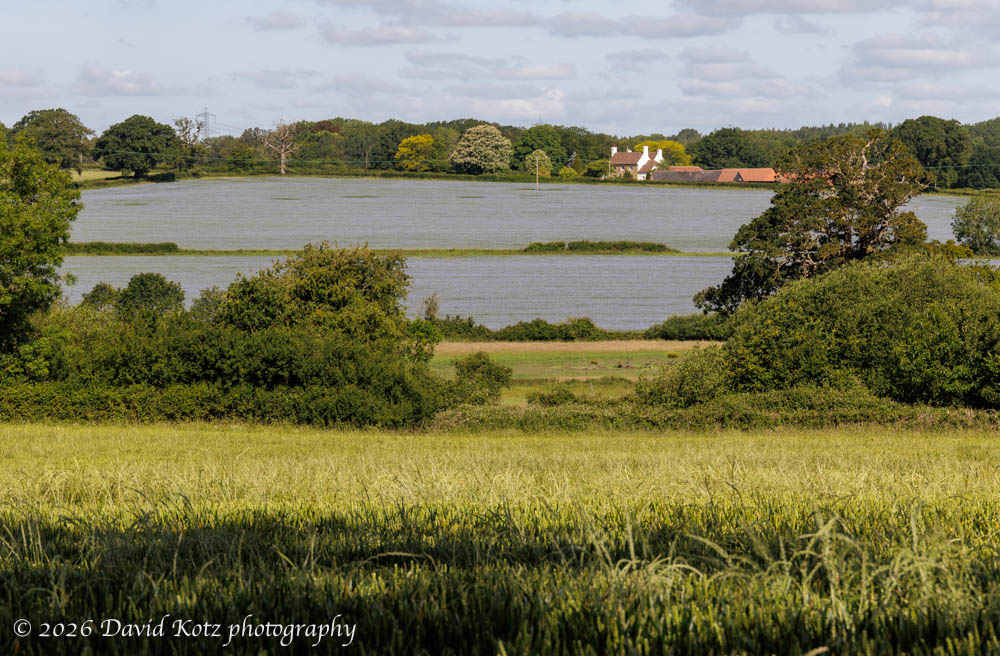
Another sunny day called for another excursion outside London, for a walk through the beautiful English countryside. I hopped off the train in tiny Mortimer, which is little more than a train depo, a church, a pub selling Indian cuisine, and a few houses. Soon I was traversing fields of wheat, crossing pastures with grazing cows, and following a lazy stream across the flat terrain. I tried to imagine what this landscape looked like two thousand years ago, when the Romans arrived and built an amphitheater. I was about to find out.
The most significant ceremonial event of the year, including Trooping the Colours.
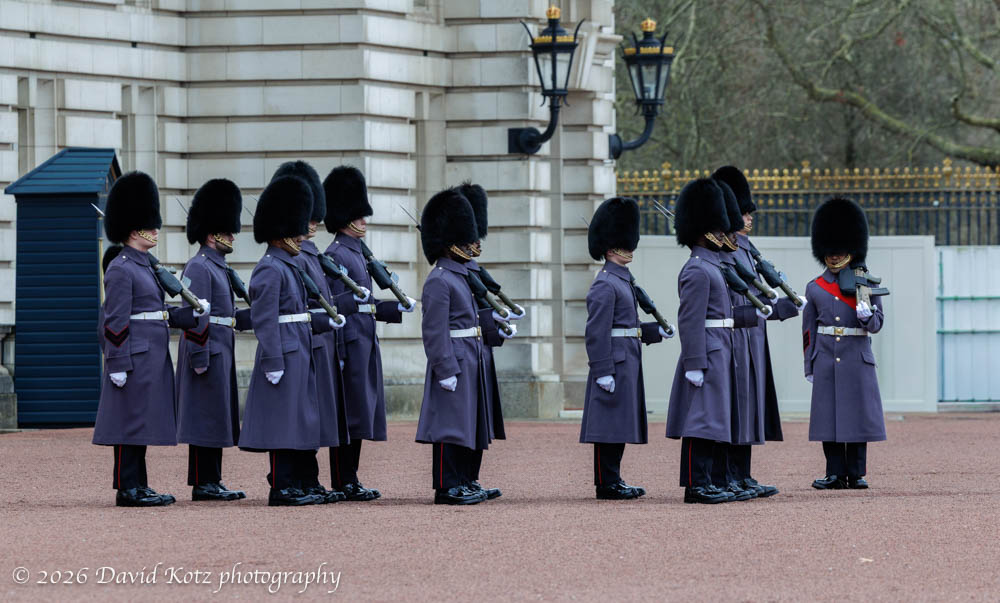
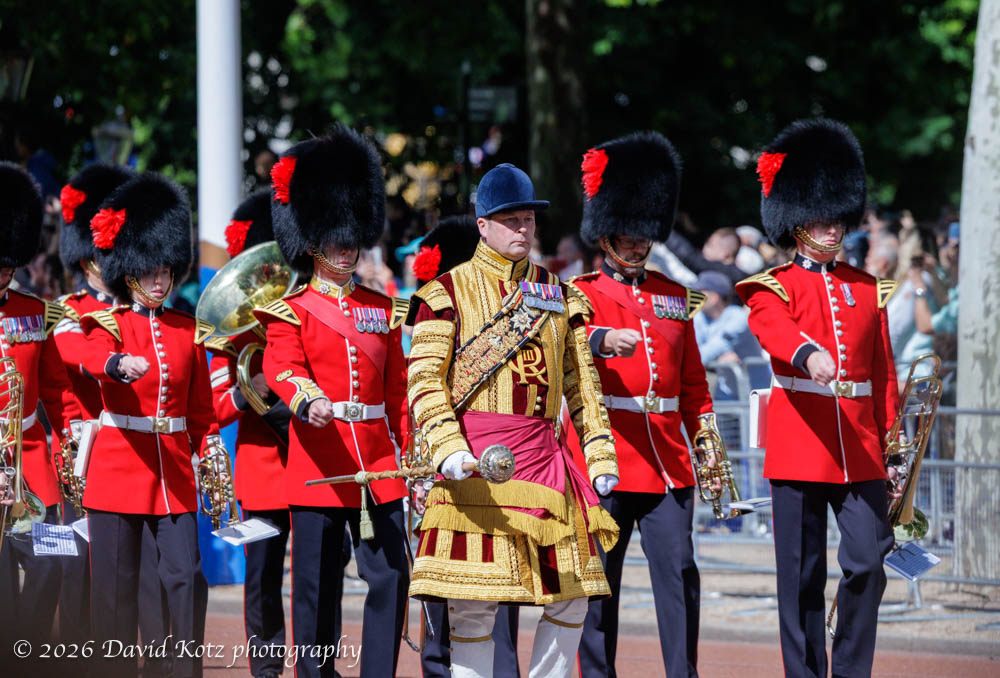
One can certainly say one thing about the British: they know pageantry! Today, on a beautiful early summer’s day, was the annual King’s Birthday Parade, the most important of the three occasions for the Trooping of the Colour. Indeed, this is the most important ceremonial occasion of the year for the Royal Family. I live only a few blocks from Buckingham Palace… so I could not resist the opportunity to watch. Wow! what a scene.
This week we had the opportunity to climb Elizabeth Tower, better known by the nickname of its largest, most famous bell: Big Ben.
Elizabeth Tower, which is part of the Palace of Westminster (home to the British Parliament), is a clock tower completed in 1859 and named in 2012 after Queen Elizabeth II for her Diamond Jubilee. It is perhaps one of the most iconic landmarks in London. We were lucky to nab tickets for a tour – which are very limited and I tried several months before succeeding.
Visits to Cambridge and Oxford universities, and a long loop hike outside Oxford.
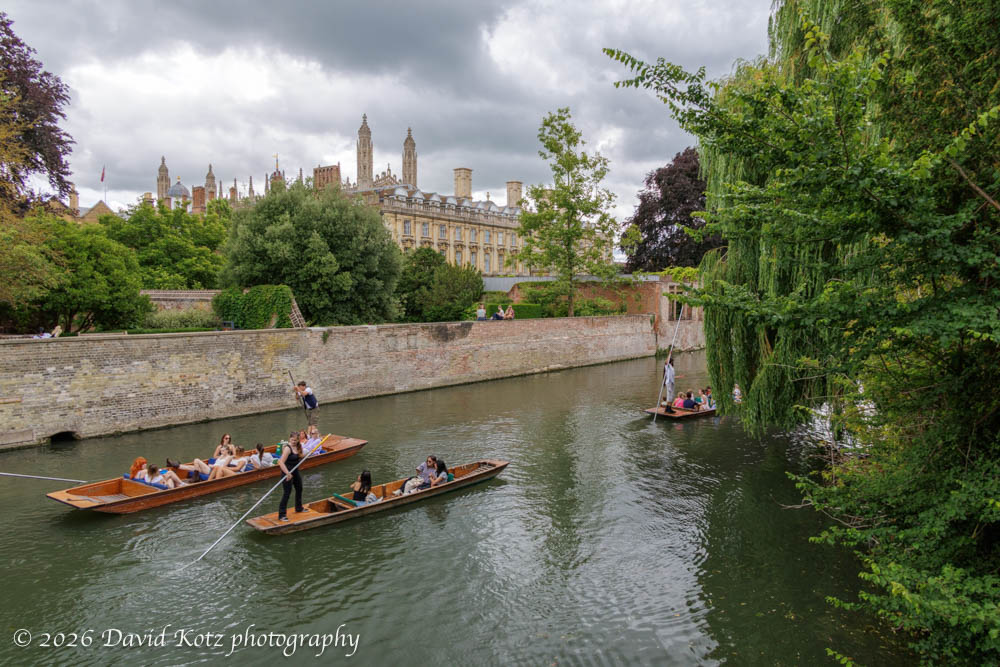
This week I had the opportunity to visit Cambridge University on Wednesday, and Oxford University on Friday, to meet colleagues and present my research. (Together, these universities are colloquially known as “Oxbridge”.) The weather continues to be sunny and beautiful, so I took the opportunity to explore each of these historic cities – and to get out into the Oxfordshire countryside for a delightful hike.
Fun fact: a bit more than six decades ago, I was born in England. I departed for the United States only three months later… so I have no memory of my birth country. Thus, the opportunity to spend a year living in London, and exploring England, has been especially meaningful. This week we took a roadtrip to the Manchester area to find my birthplace and to visit some of my parents’ friends.
Although the weather has been beautiful this weekend, I had little time for hiking. So, today I chose to walk a portion of the Thames Path. This long-distance path begins at the source of the Thames, in the Cotswolds, and follows the river downstream for 185 miles to Woolwich, London. (Regular readers may recall my brief visit to that downstream endpoint, at the famous Thames River Barrier, two months ago.) Today I began my walk in Chelsea, walked along the embankment until I reached the Parliament building, then turned back inland toward home.
Another weekend in London – another opportunity for hiking! Today was a lovely day – warm and sunny, with flowers blooming in the parks and dooryards. I was a bit short for time so I selected a hike on the northeast edge of London, from Hackney to Walthamstow at the end of the Tube’s Victoria line. Although most of the walk was along streets or paved bike trails, the scenery varied from residential areas, to pedestrian streets on market day, to the vast Victoria Park, to the locks and canal boats along a series of three canals, to the meadows and forests of Hackney Marsh and Walthamstow Marsh.
The picturesque village of Dartmouth, at the mouth of the River Dart.
Dartmouth College has been a major part of my life – as a student, professor, parent, and spouse – for over four decades. I am proud to be part of the extended community of this Ivy-League university that dates back to 1769, founded even before the United States. And yet, although I’ve long been aware it was named after the Earl of Dartmouth, in England, I’d never had a chance to look deeper into the origin of its name. Until today! I spent a beautiful spring afternoon exploring the picturesque village of Dartmouth, nestled along the banks of the River Dart within sight of the river’s mouth, which is defended by a Castle dating back to 1388. In addition to exploring this Dartmouth’s many historical milestones, my hike (30th consecutive weekend!) led me to one of the most spectacular wildflower meadows I’ve ever seen, in peak bloom!
A tour inside the halls of Parliament, including the House of Lords, House of Commons, and Westminster Hall.
We live a short walk from Westminster Palace, the home of Parliament, so it we took advantage of the opportunity for a guided tour of these historic buildings. It is right across the street from Westminster Abbey, which we toured two weeks ago, and the Jewel Tower, which I explored a week ago. The palace, which now houses the government of the United Kingdom – including the House of Lords and the House of Commons – dates back more than 900 years and is one of the most significant buildings in London.