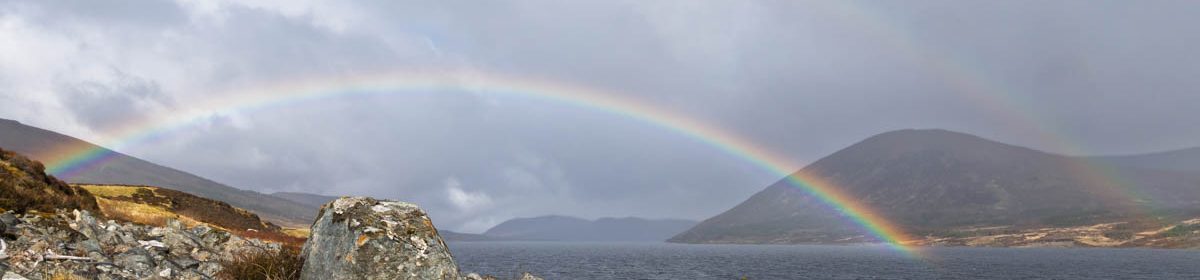
We traveled to Lisbon for a weekend of sunshine and memories. My family and I lived just outside Lisbon in 1979, so it was a treat for me to return to Lisbon with my parents so we could re-visit some of our favorite places, eat some our favorite foods, and re-connect with some of their lifelong Portuguese friends. (And, as I wrote yesterday, to hike through the wildflowers and green forests of Monsanto Park.)
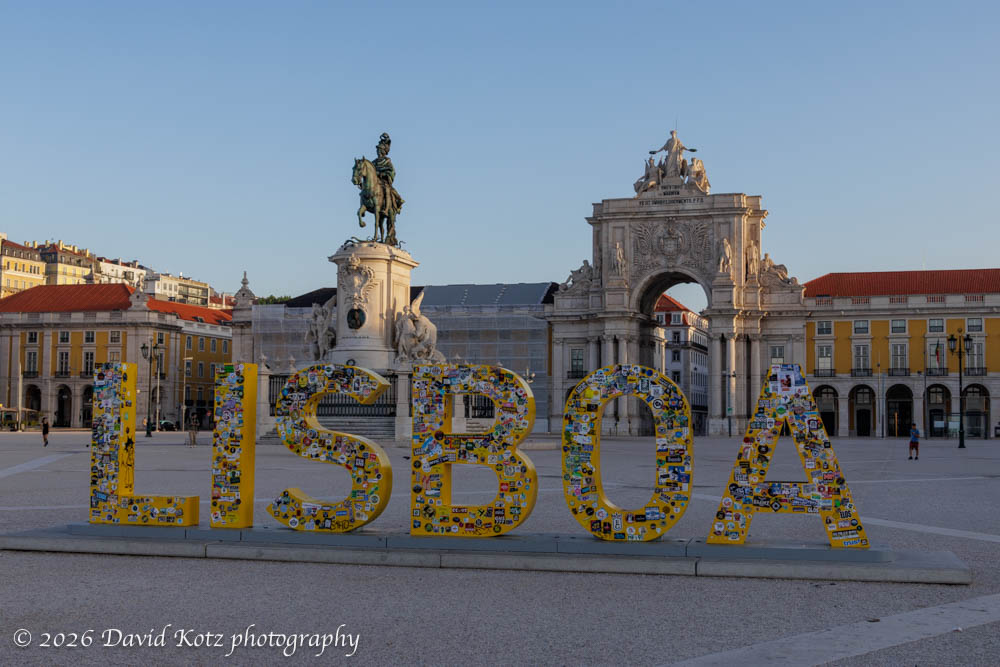
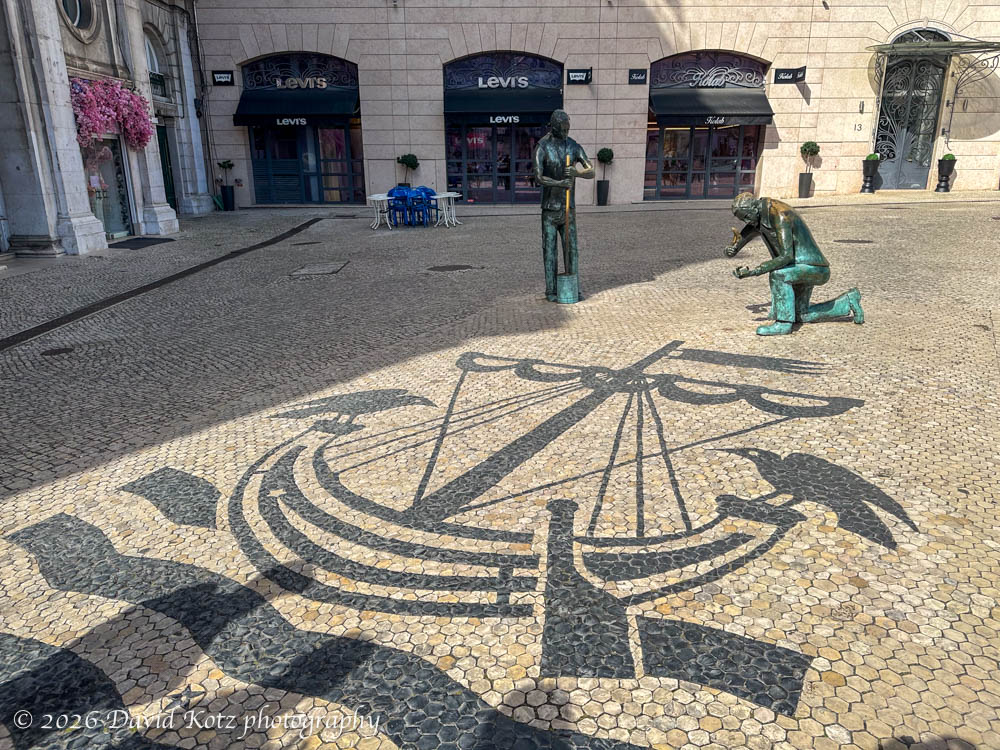
It is a holiday weekend in both the UK and the US, so Lisbon was even more crowded with tourists than ever. Indeed, Lisbon is vastly different than I recall from 1979, and even from my prior visit in 1992. Tourism dominates the core of Lisbon; luxury brands line the main avenues, where Starbucks and McDonalds squeeze in among traditional Portuguese cafés, as hundreds of foreign tourists stroll by. Still, for me, it was a trip down memory lane. As soon as I pulled my wheeled suitcase over the bumpy black and tan limestone cobbles, memories of my old life began to emerge from 47 years ago when we lived in a tiny suburb outside Lisbon.
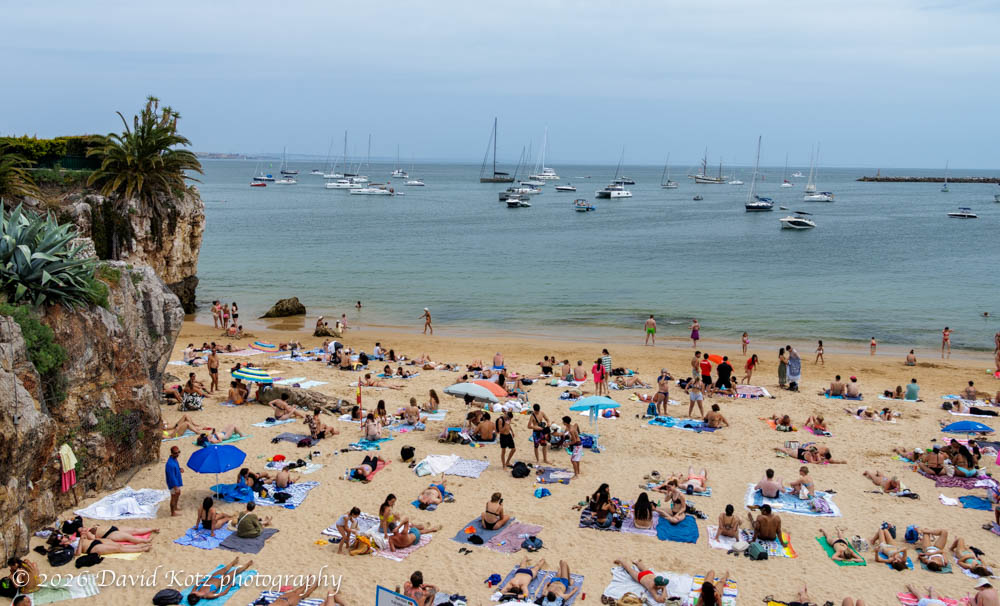
On Saturday a friend drove us to Cascais, a village an hour’s drive west along the coast, to the point where the coastline turns back to the north. (Along the way, we had a glimpse of the apartment building where we lived in 1979.) The focal point of Cascais is its tiny sheltered harbor. Here, where fishermen once hauled out their rowboats, mended their nets, and sorted their crab traps, and where fresh fish were for sale along the cobblestone embankment, was now a sandy beach crowded with bikini-clad tourists while a DJ pumped loud pop music from the concert stage. Ah, times have indeed changed.
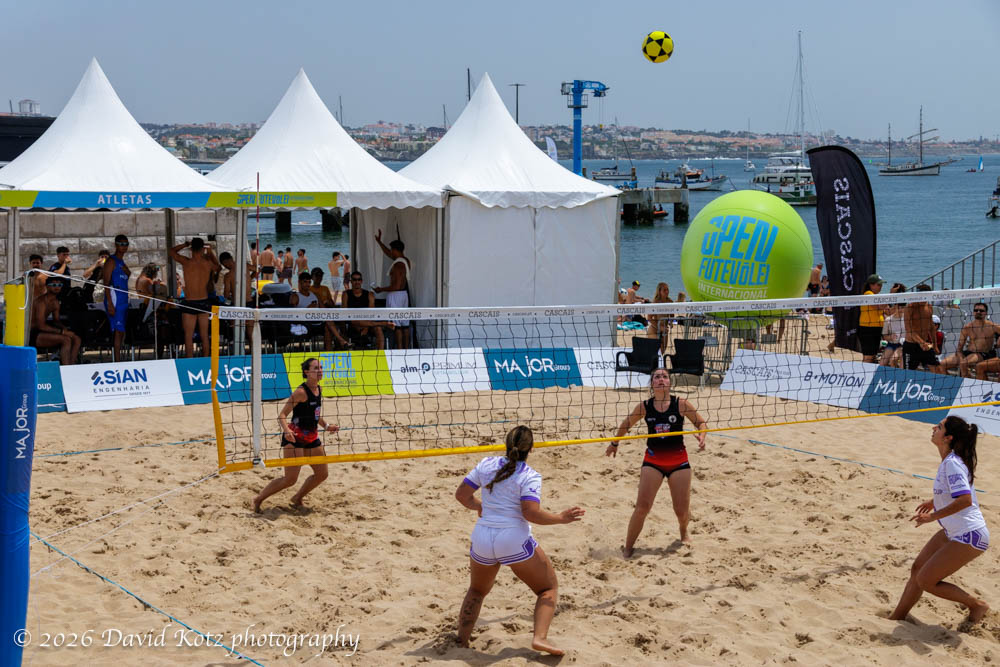
One section of the beach was fenced off for a lively futevólei competition – a variant of two-on-two beach volleyball wherein the players cannot touch the ball with their hands.
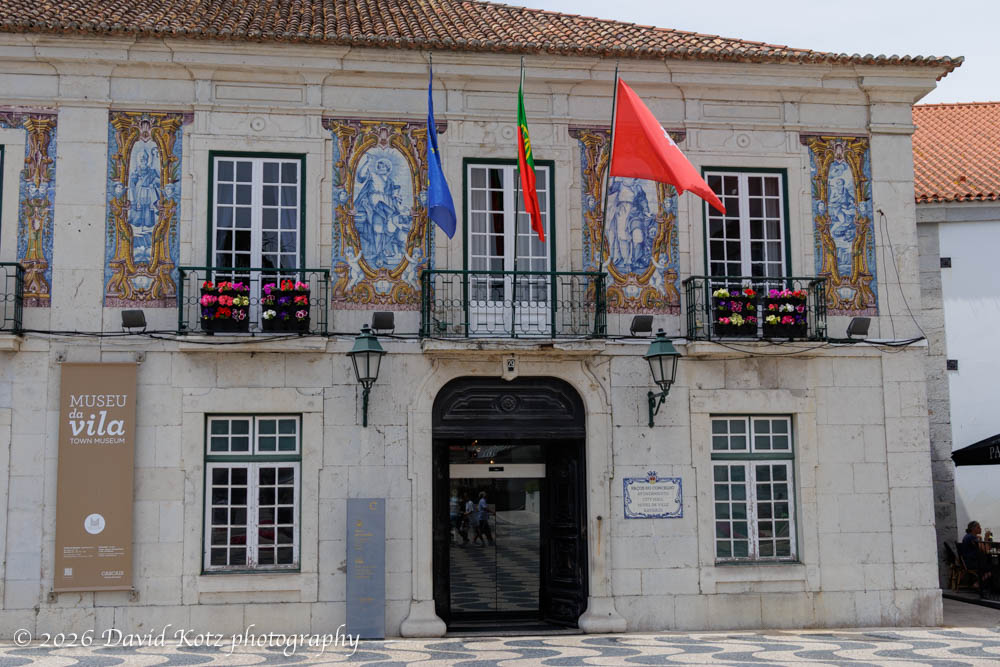
We enjoyed time to stroll the old streets and alleys in central Cascais, including a delicious lunch at an outdoor café in a shady pedestrian square.
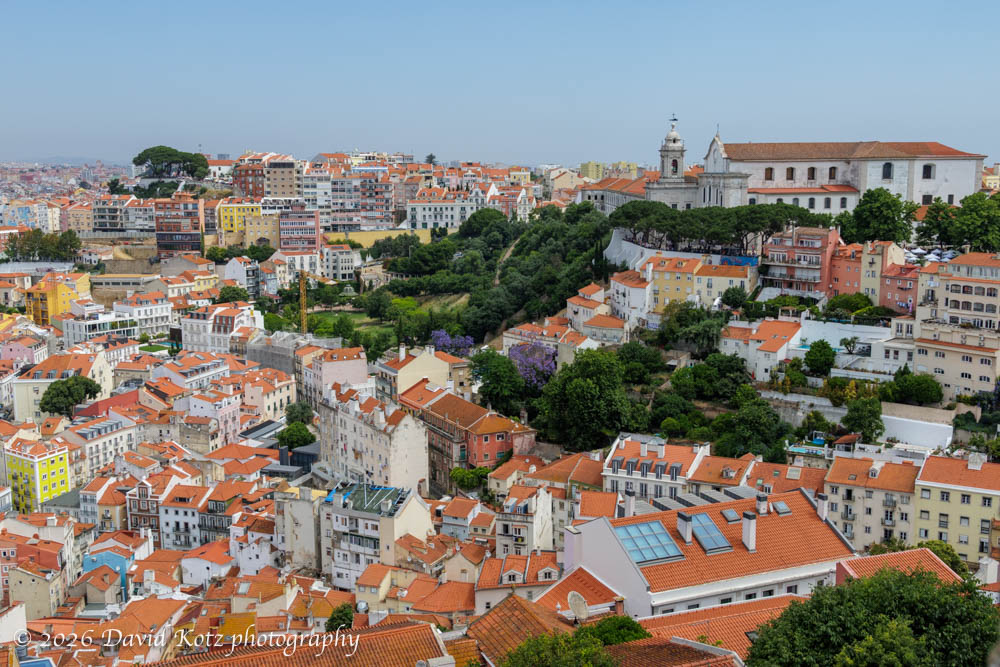
On Sunday, back in Lisbon, we hopped on the historic 28E streetcar to the hilltop above our hotel. Here is Castelo de São Jorge, a remarkably well-preserved castle complex with an ancient history fantastic views across the city and the harbor. With evidence of human habitation back to the 8th century BC, it has been the site of “fortifications occupied successively by Phoenicians, Carthaginians, Romans, and Moors, before its conquest by the Portuguese in the 1147 Siege of Lisbon.” We explored the castle grounds and walked atop the defensive walls of the inner fortress, which offered spectacular views across the city in all directions.
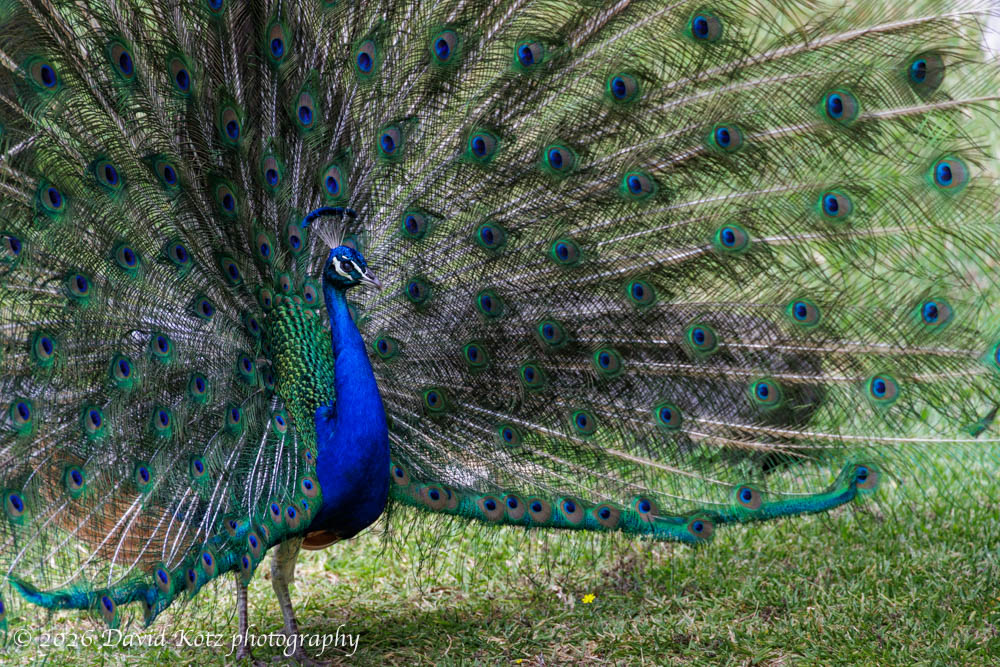
The tree-lined paths of the outer castle are home to about a dozen beautiful peacocks – which often called out, quite loudly, keeping in touch as they strutted around the grounds [listen: 9s video]. The pea-cocks occasionally displayed their fantastic tale feathers, much to the delight of the tourists but apparently to little effect on the nonchalant pea-hens strolling nearby. (In this 2:42 minute video, if you are patient, you’ll see the peacock try several methods to gain attention.)
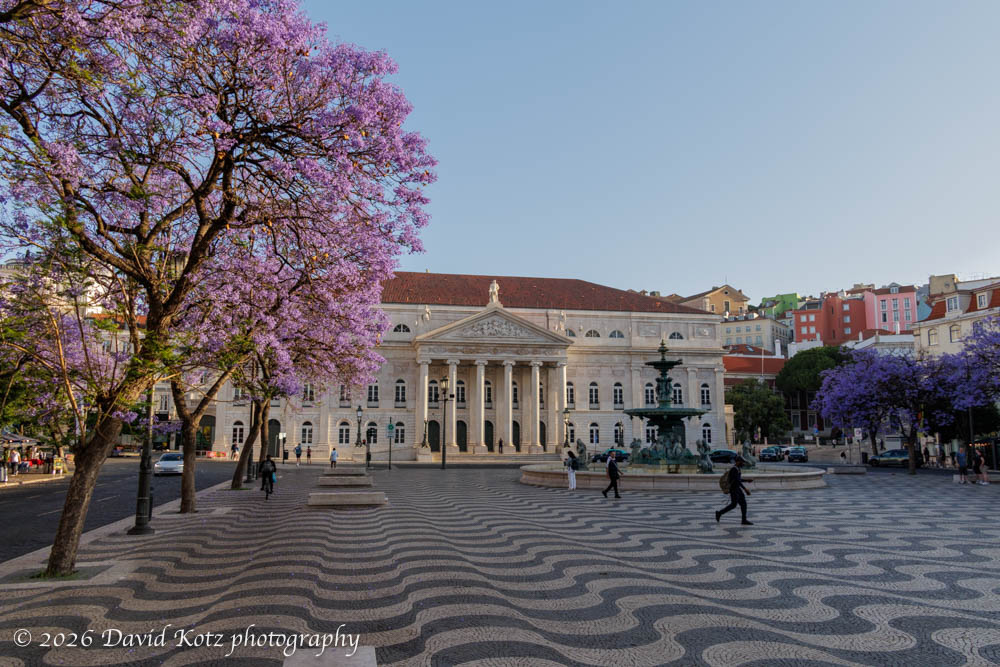
We were lucky to have arrived when the jacaranda trees were blooming, adding a delightful burst of color to the squares and avenues.
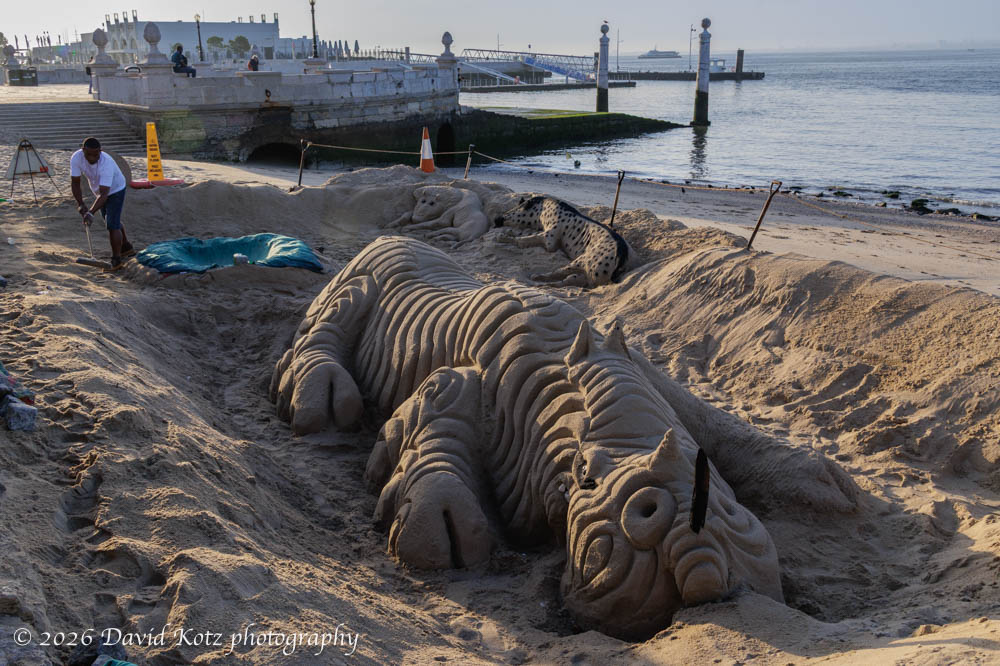
I saw many examples of street art around Lisbon; mostly ugly graffiti (simple spray-paint vandalism) but sometimes elaborate reliefs constructed from found materials into elaborate designs. In the early sunlight of my final morning, I strolled down past the massive (empty) square, Praça do Comércio, to reach the harbor shore. There I encountered some interesting street art – rocks stacked and painted to represent different countries, and wild animals sculpted from sand, with the artist still at work.
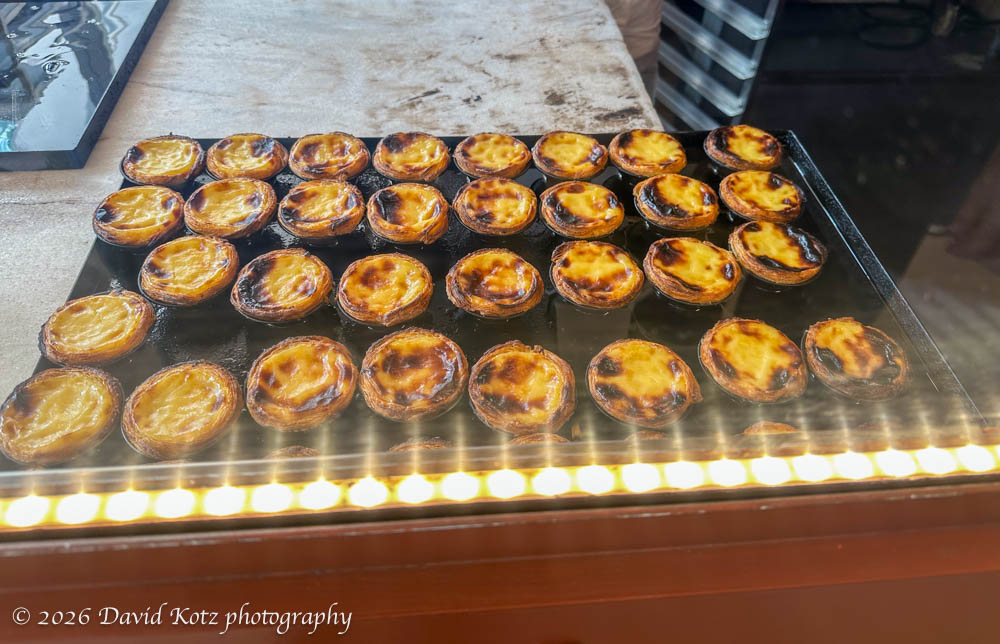
Portugal is famous for food, especially seafood, and Lisbon is replete with fine restaurants. We were fortunate to enjoy two fabulous dinners at hotel-rooftop restaurants, which I highly recommend: BAHR and Varanda de Lisboa. Portugal is also famous for its pastries – especially my favorite, the delectable pasteis de nata (custard in a flaky pastry cup); although these can be found in any decent pastaleria, my father and I chose a pastéis-specialty shop just off the main Avenida da Liberdade to enjoy them paired with tea and coffee.
A lot for two days! There’s lots more to see in the photo gallery (tip: view as slideshow, though it won’t play the videos).


One thought on “Lisbon in two days”