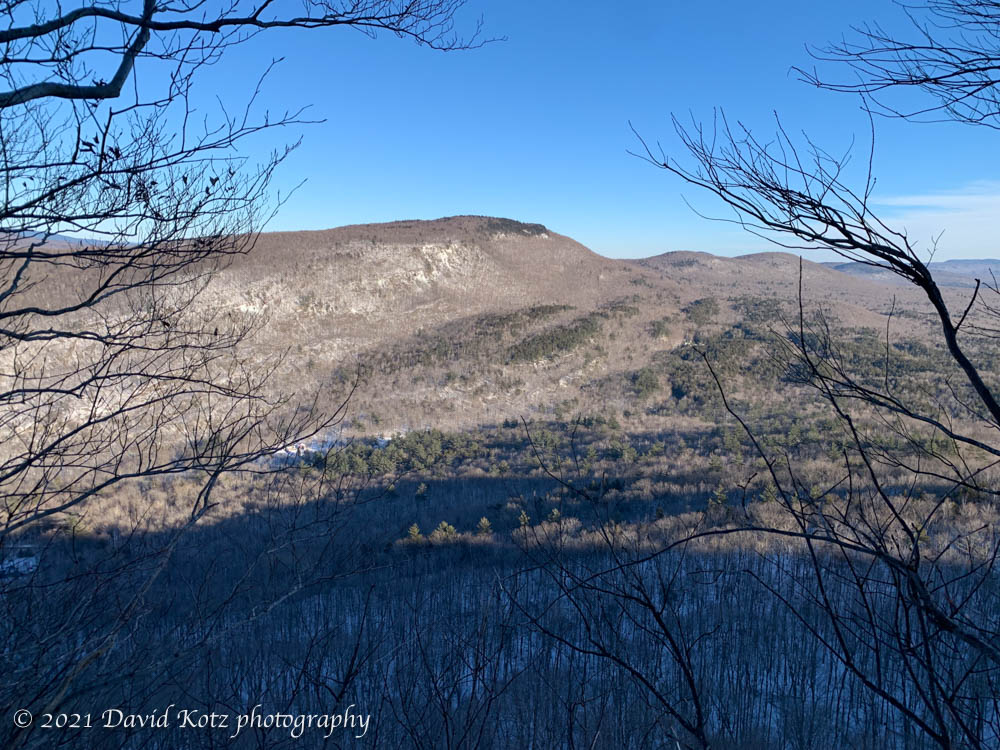
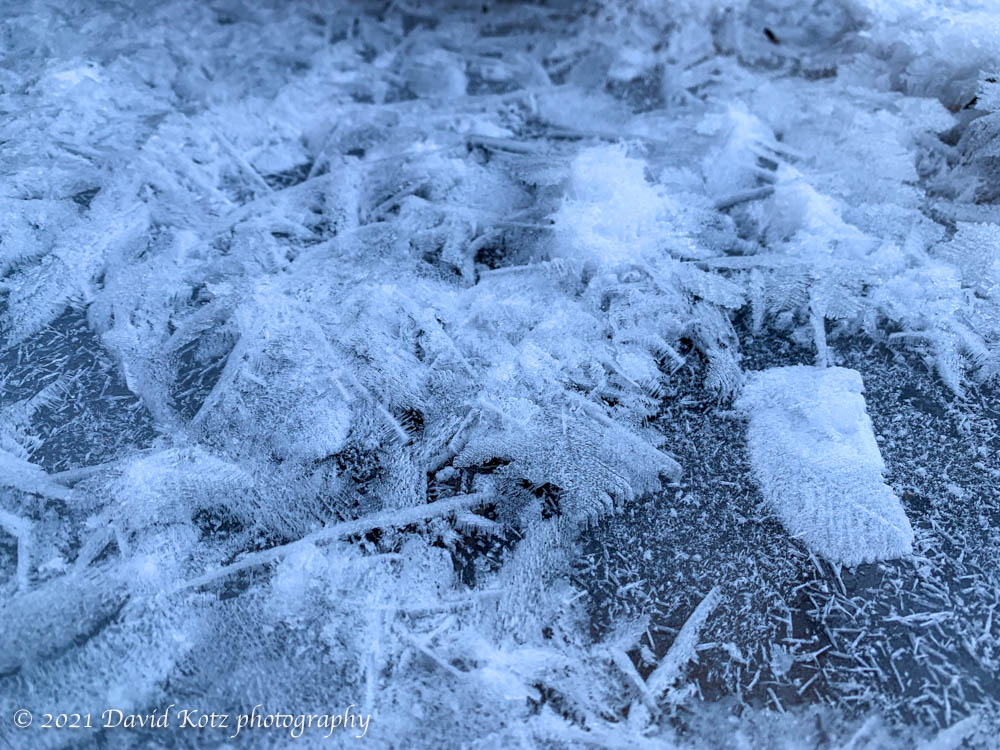
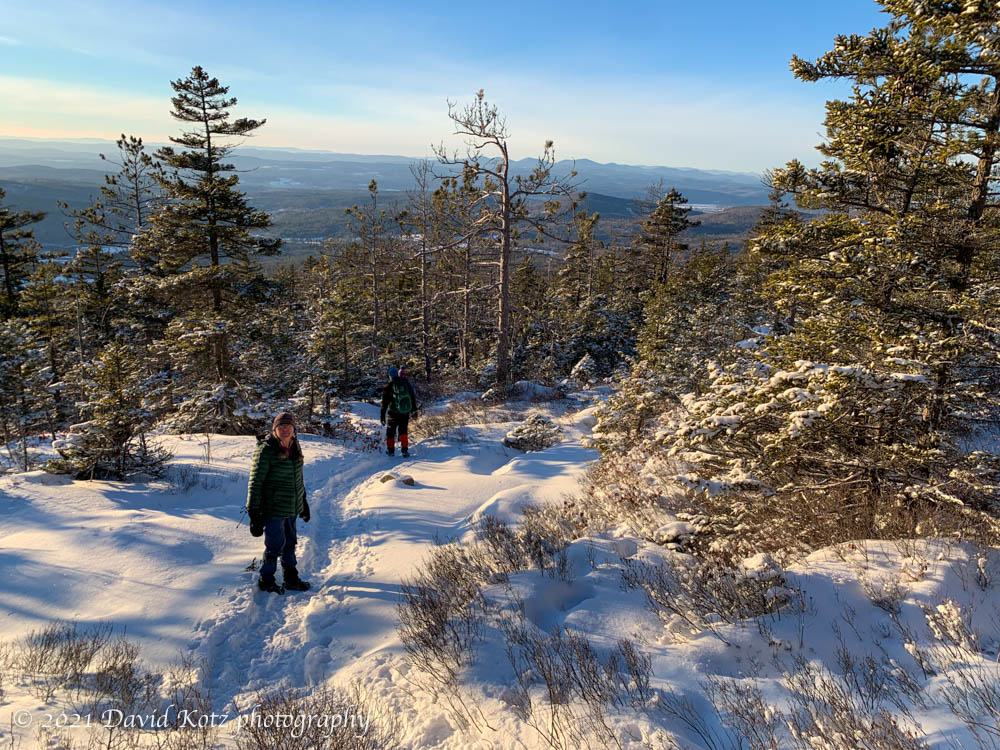
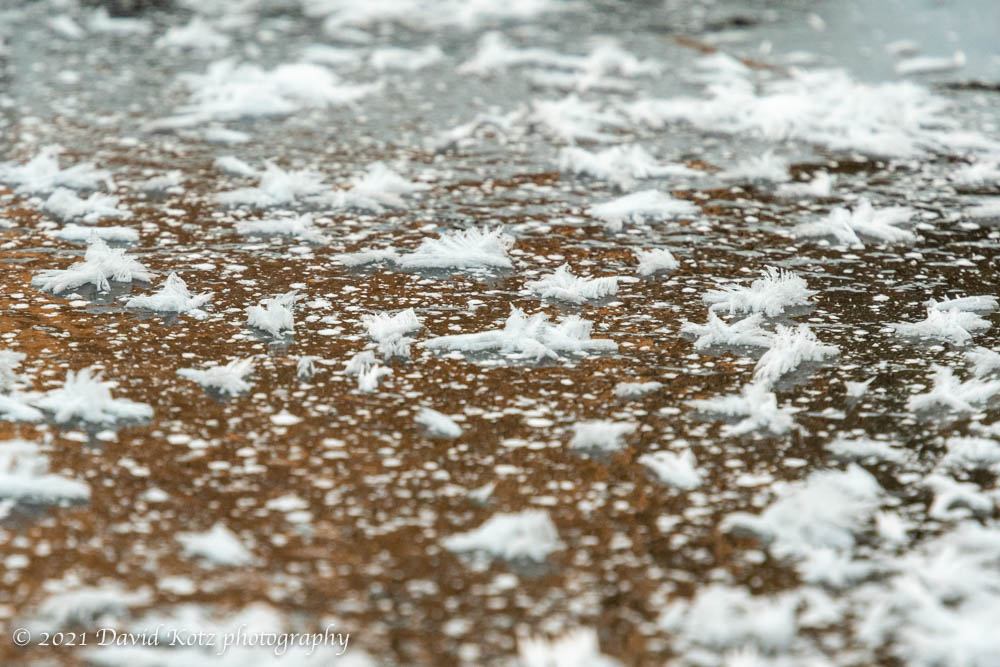
Today woke with frigid temperatures: -10ºF (-23ºC), which was certainly not inspiring me to get outdoors. But it was a beautifully clear and sunny day, and by mid-afternoon the temperature had risen twenty degrees. So a friend and I climbed nearby Holts Ledge – a hill in Lyme on which the Dartmouth Skiway is located. The snow squeaked under our feet and the stream crossings were smooth and icy. We had a fine view from the top, yes, but my favorite view was a close-up look at the frost feathers atop a puddle of ice.
View from Holts Ledge.Frost feathers on an ice puddle, Appalachian Trail, Holts Ledge.
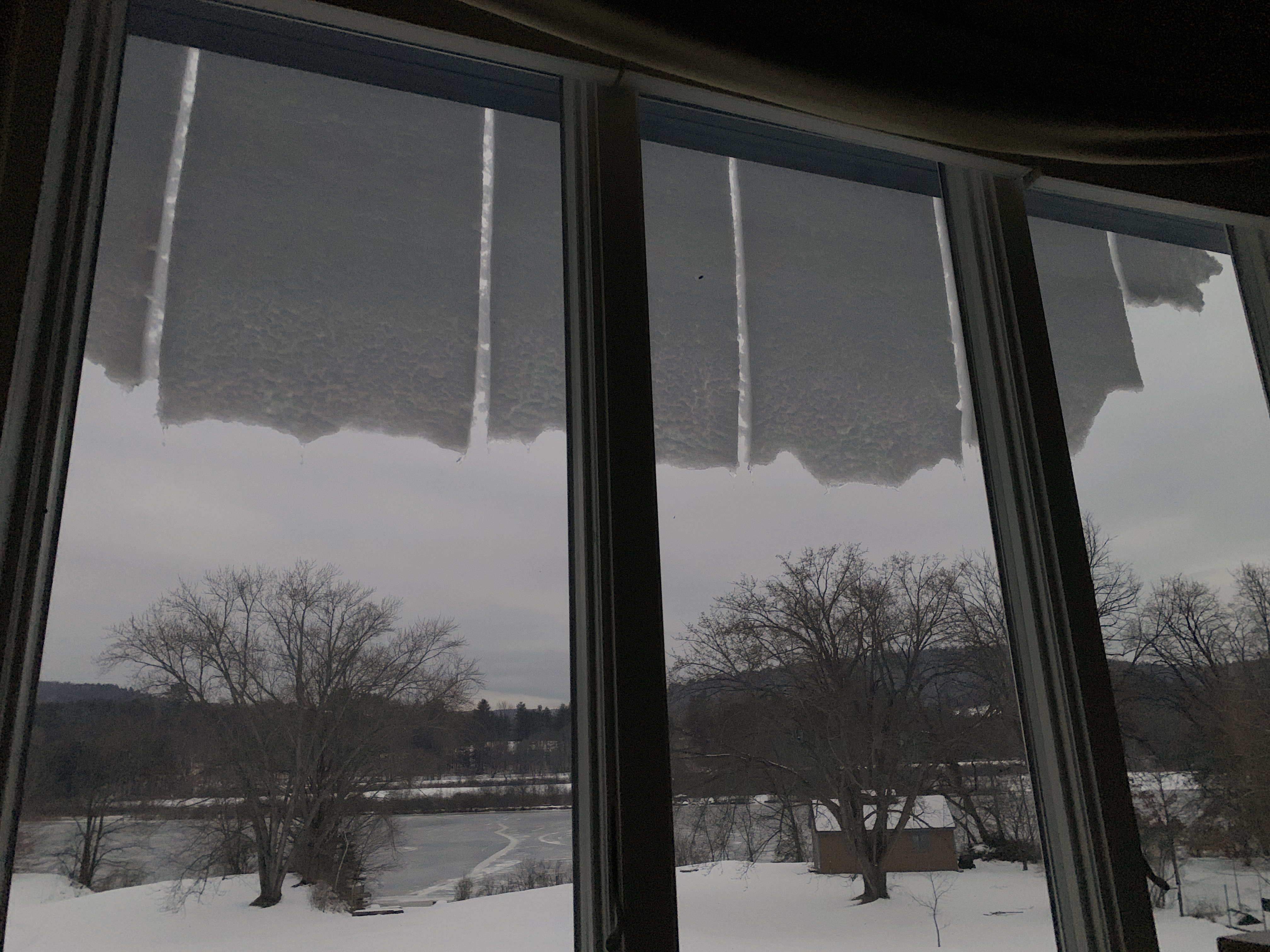
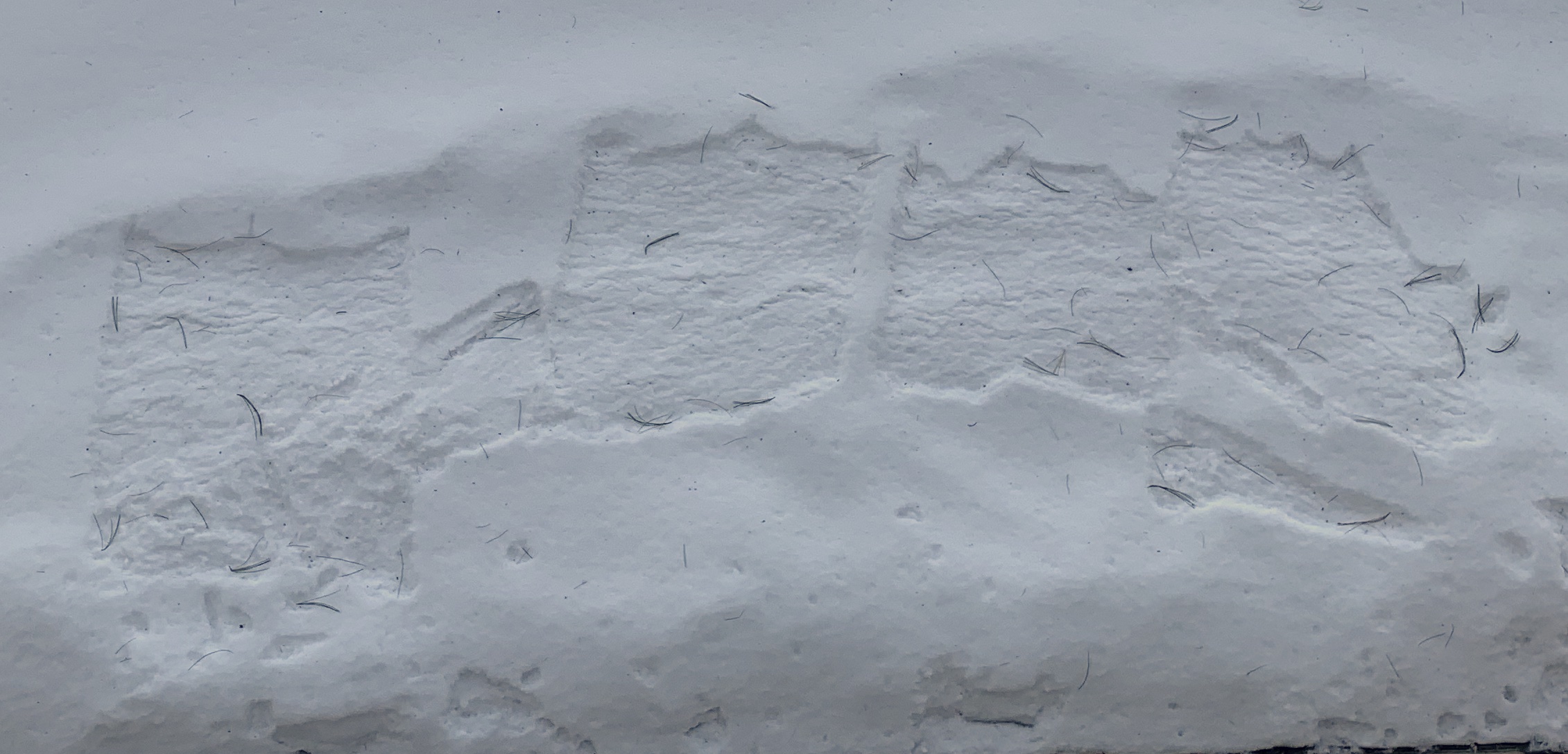
Last winter I posted a couple of times about a cool phenomenon, when snow settles onto our metal roof and slides, very slow, over days, toward the edge. In the right conditions, the snow bonds together into a sheet and, despite sliding over the edge of the roof, stays connected as a sheet. Yesterday I awoke to see these impressive sheets hanging outside my bedroom window, each at least two feet long.
I opened a window, and reached out to touch them. They were soft, fragile, and slightly wet, despite the 20ºF morning temperature. It had been warm (above freezing) the afternoon before, allowing them to slide slowly off the roof, but the falling evening temperatures trapped them in this frozen form.
Some time later that morning they fell off, as the temperatures warmed and a windy cold front arrived. This morning I see their impressions in the snow where it thinly covers the deck below.
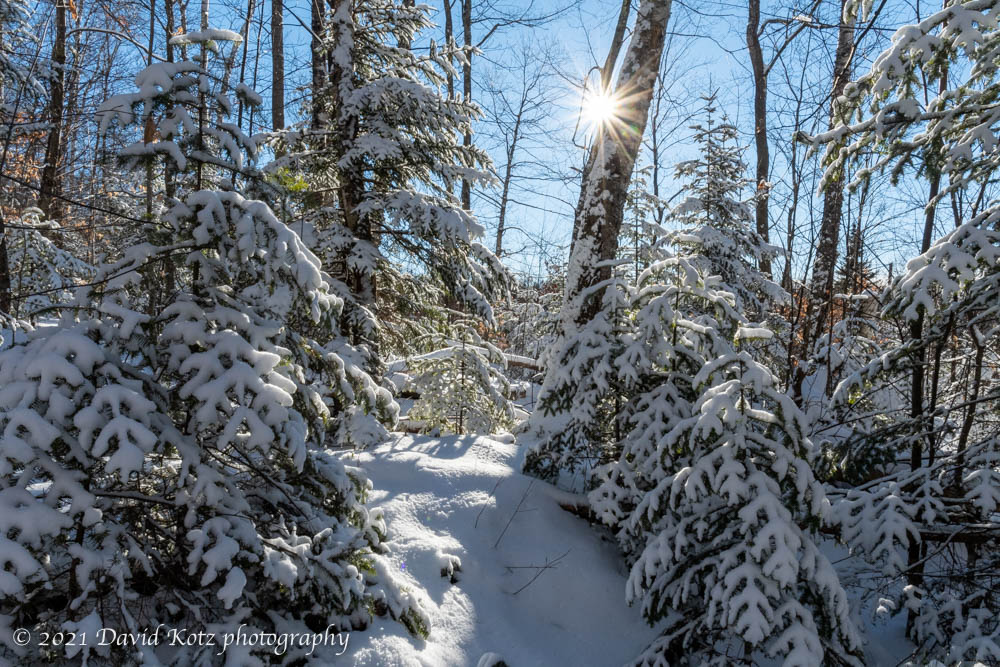
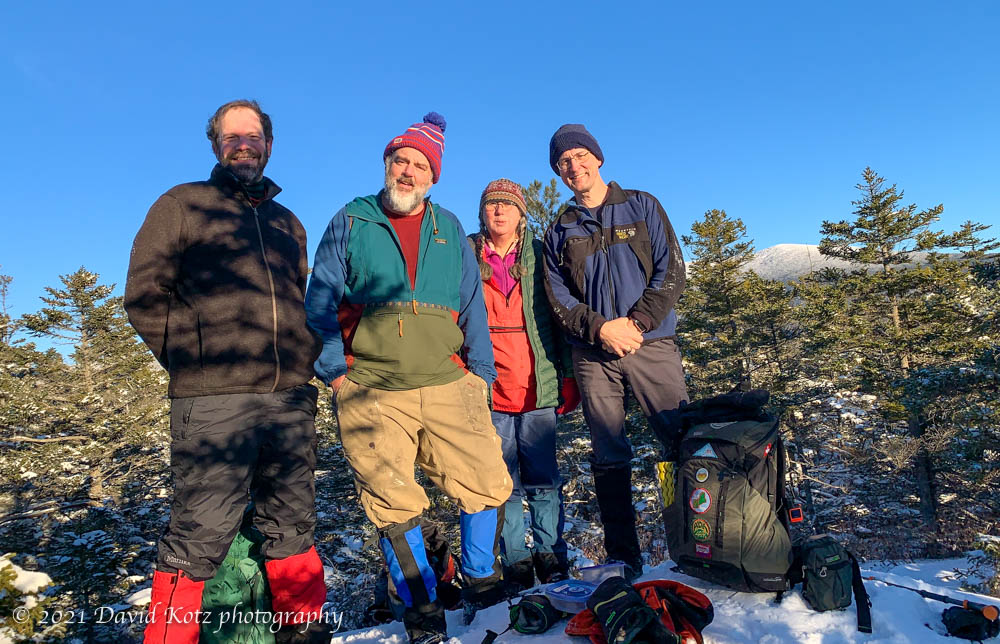
It snowed yesterday – just a couple of inches – and today broke sunny and clear. So I met a few friends for a climb of Blueberry Mountain, a small peak just to the west of Mount Moosilauke. It’s not tall, or with a grand summit, nor does it have expansive views, but it’s a fine place to be on a sunny winter’s day.
The sun bursts through the snowy forest.Ken, David, Kathy, and Dave on summit of Blueberry Mountain.
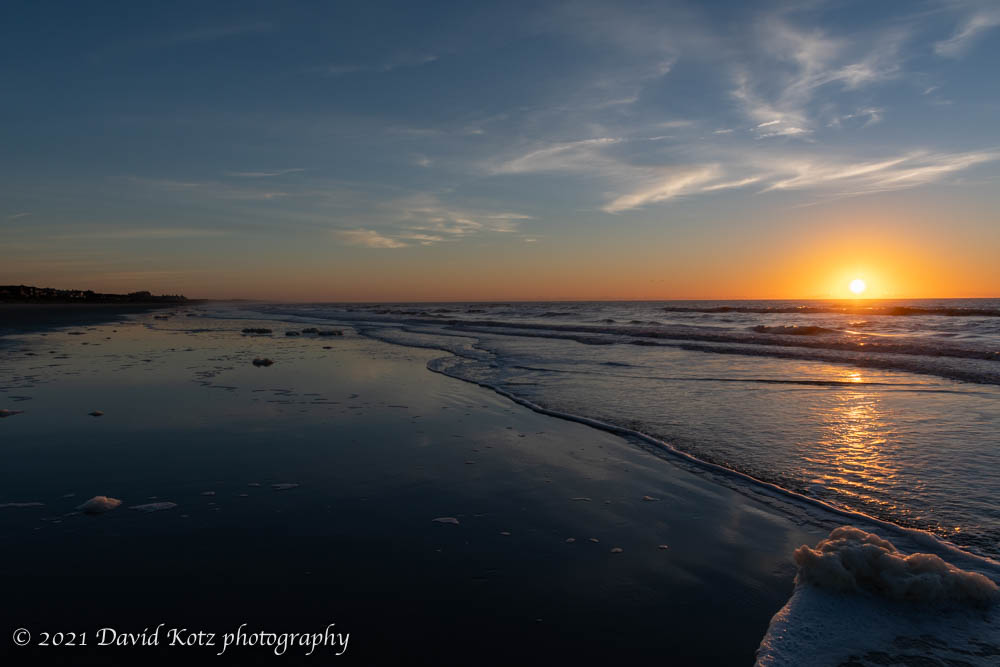
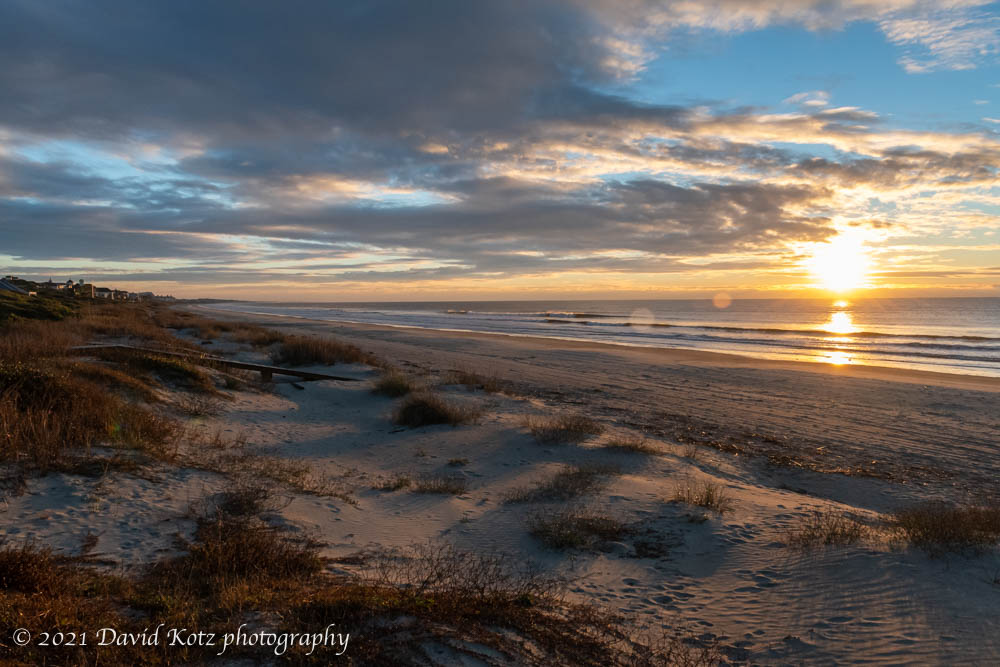
After two weeks with family here in Kiawah Island in South Carolina, it’s time to head home. We’ve had beautiful weather, allowing time to explore the sands and lagoons of this beautiful island. I’ve added to the gallery more photos of birds and scenery. It was foggy on the beach at sunrise this morning, so I’ll share this photo from Christmas morning.
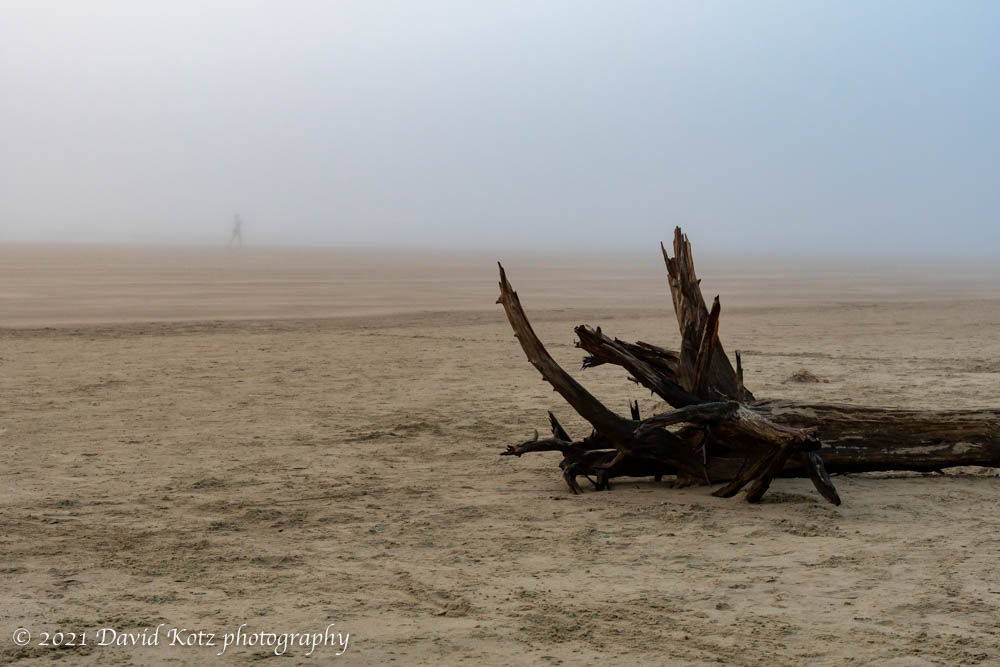
Kiawah Island has been sunny and warm every day, but one consequence is the dense fog that settled over the island this morning. I was out on the beach at sunrise, but it was invisible. After a long walk I found driftwood to provide some foreground interest, just as a jogger passed by.
From the mountains of Switzerland to the beaches of South Carolina… we are here at Kiawah Island for two weeks. On the first morning I enjoyed sunrise on the beach… and in the afternoon, some bird watching near the wetlands of Cinder Creek.
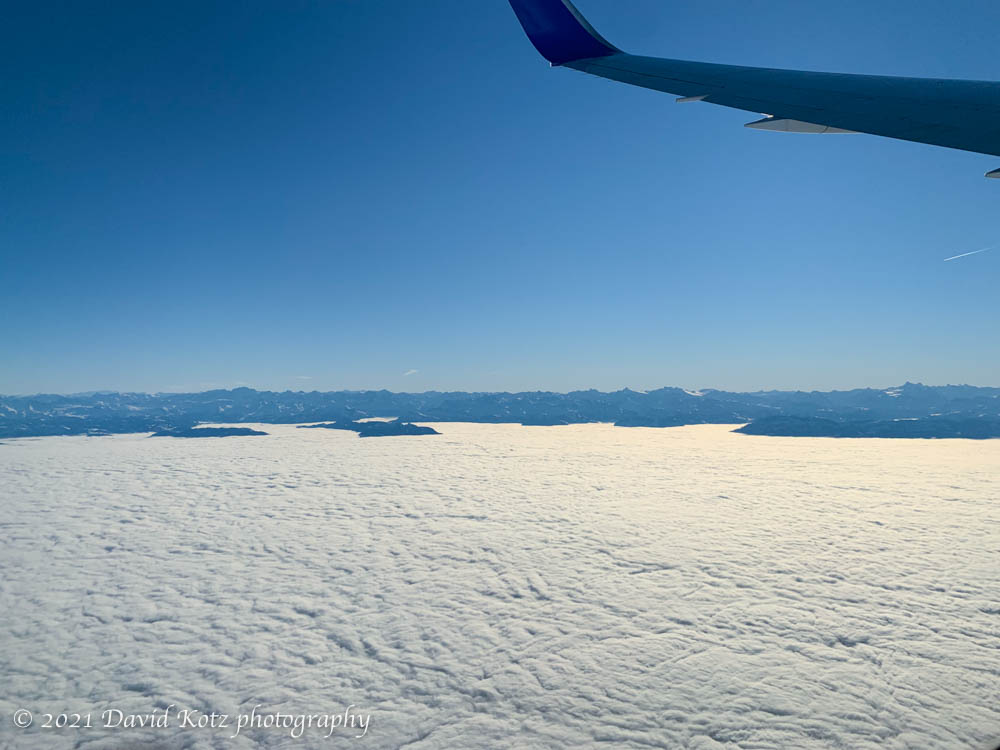
Zürich woke to yet another cloudy morning, as the sun rose on winter solstice. On this, the shortest day of the year, we hopped on a plane to Washington, DC, following the sun to the west. Flying high above the clouds, we enjoyed daylight for 15+ hours, though inside the plane we never really got to enjoy the sunshine. When I checked out the window, soon after we reached cruising altitude, I was blessed with a grand panoramic view of the Alps – the French, Swiss, and Italian Alps – spread out beyond a sea of clouds.
The Alps, seen from the airplane leaving Zurich… with low clouds covering all the lowlands.
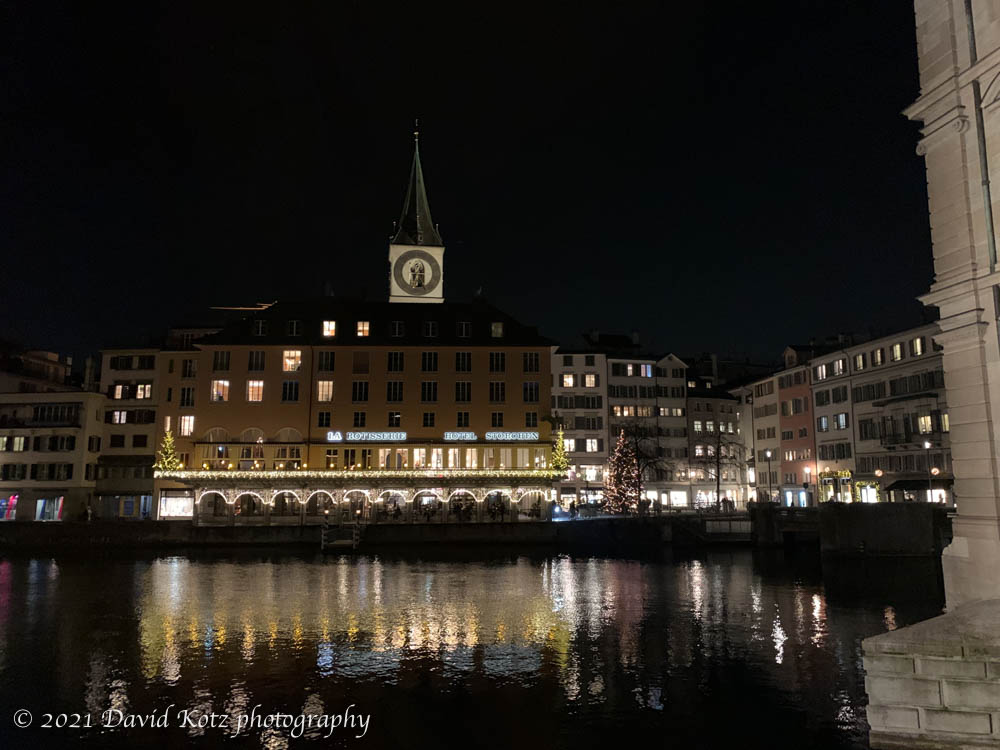
After 10 days in Switzerland it is sad to leave, hard to part with the opportunity to explore both new and unexplored areas of the city and the country. It was a pleasure to be back, to revisit old colleagues, to return to my favorite shops and viewpoints and morning walks. I certainly hope I can return again soon! Today’s gallery includes snapshots from various days and scenes in Zürich, including several from the Christmas markets and from the illuminated evenings.
St.Peter’s church seen from across the Limmat river, Zurich.
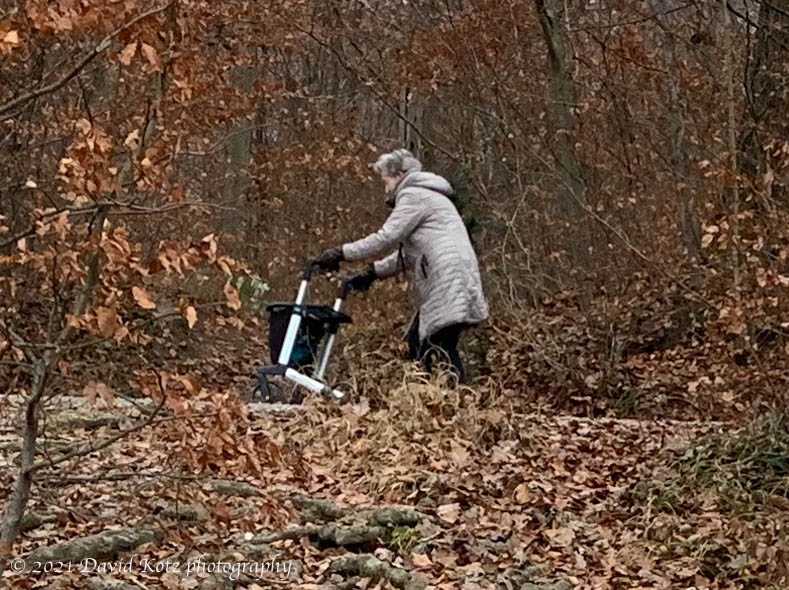
On our final full day in Zürich, I took my usual morning walk to Zurichberg. The sky was cloudy and the valley foggy, once again, but at least this time the fog was a bit above me and I could see across the lake. Not much to photograph today, but as I lingered at the viewpoint and was passed by every morning jogger and dog-walker, I noted a familiar sight approaching. An old gray lady, and her even older gray dog, approached slowly along a parallel path. I recognized them immediately, having encountered them almost daily on my walks two years earlier… but not yet on this return visit. The woman now needs a walker, and moves slowly while the old gray dog follows even more slowly behind. I admired their persistence in their daily outing, and am glad I had a chance to see them again.
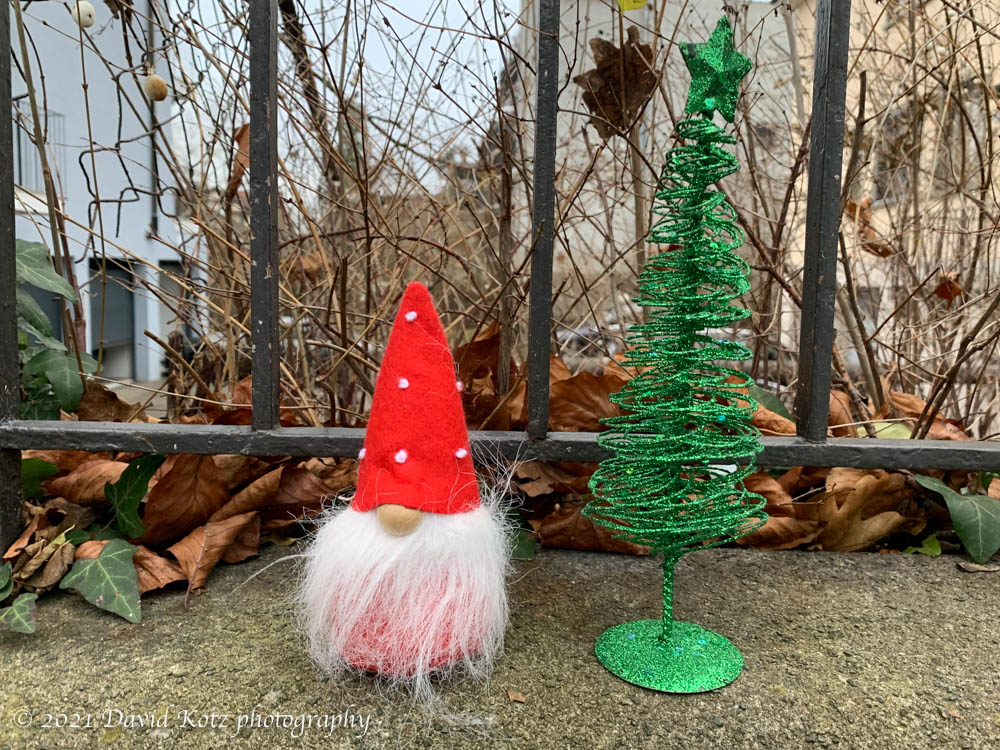
On my way downhill, picking my route randomly through the residential streets while aiming my internal compass toward Honold for my daily dose of heisse schokolade and butter gipfeli, I noted this little gnome standing by a tiny little tree, on a curb near trash and recycling bins.
A gnome and a Christmas tree, left out by someone’s trash bin.
It is not uncommon for people to put items out for free use by passers-by; indeed, we gave away many things when we were preparing to leave in July 2020. This little fellow seemed lonely, so I decided to bring him home.
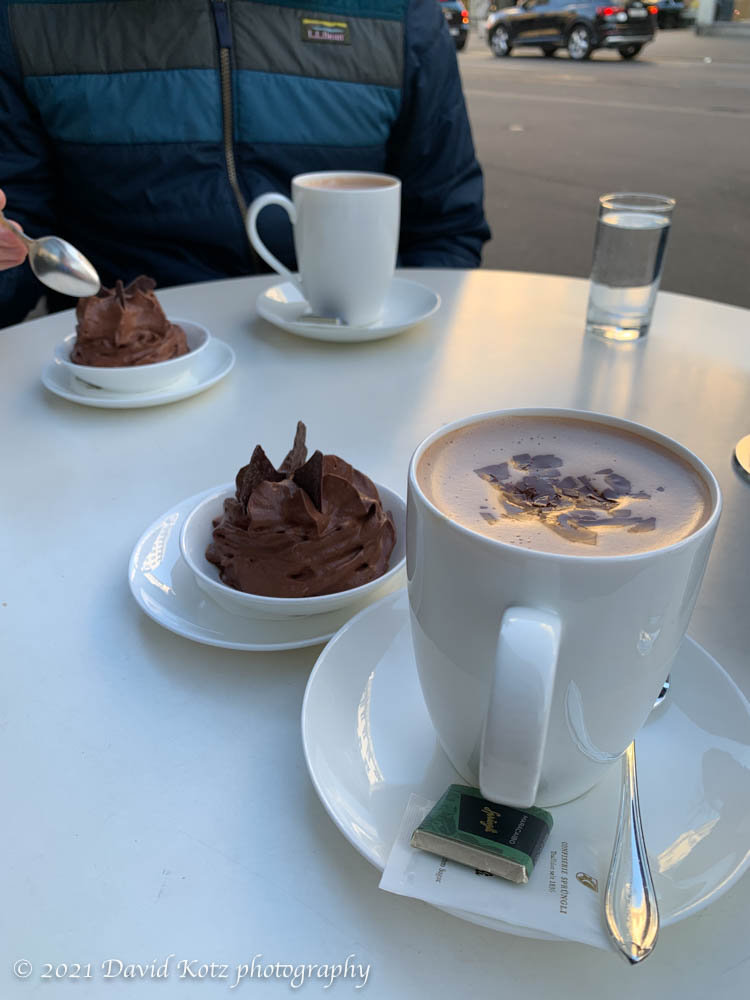
Later in the day, Andy and I made a pilgrimage to Sprüngli chocolatier, on Bahnhofstrasse, for a stay at their sidewalk tables and for a taste of their grand cru hot chocolate, which comes with a mousse light enough to spoon on top but rich enough to sink you for the afternoon.
Sprüngi hot chocolate, grand cru, with accompanying chocolate mousse.
Despite the chilly weather, the outdoor tables filled quickly; it is a wonderful spot to sit and enjoy a warm drink as the holiday shoppers bustle by.
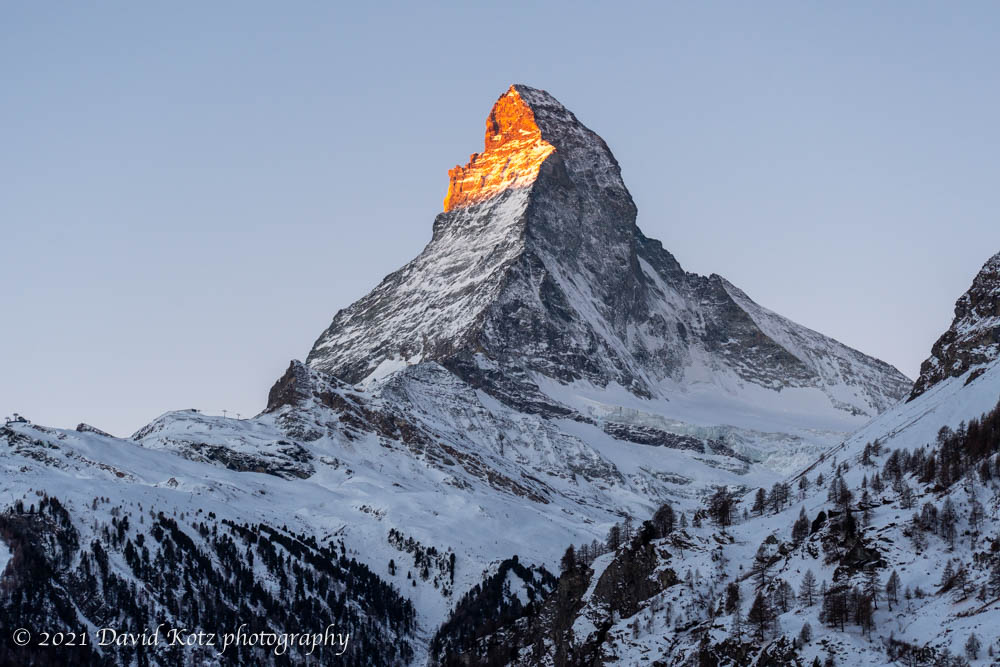
We were fortunate to stay at a hotel with a fantastic view of the Matterhorn, seen across the village of Zermatt. As the sun rose shortly after 8am, the first light illuminated the tip of the Matterhorn. See the gallery for more.
Early morning light on the Matterhorn, from Zermatt.