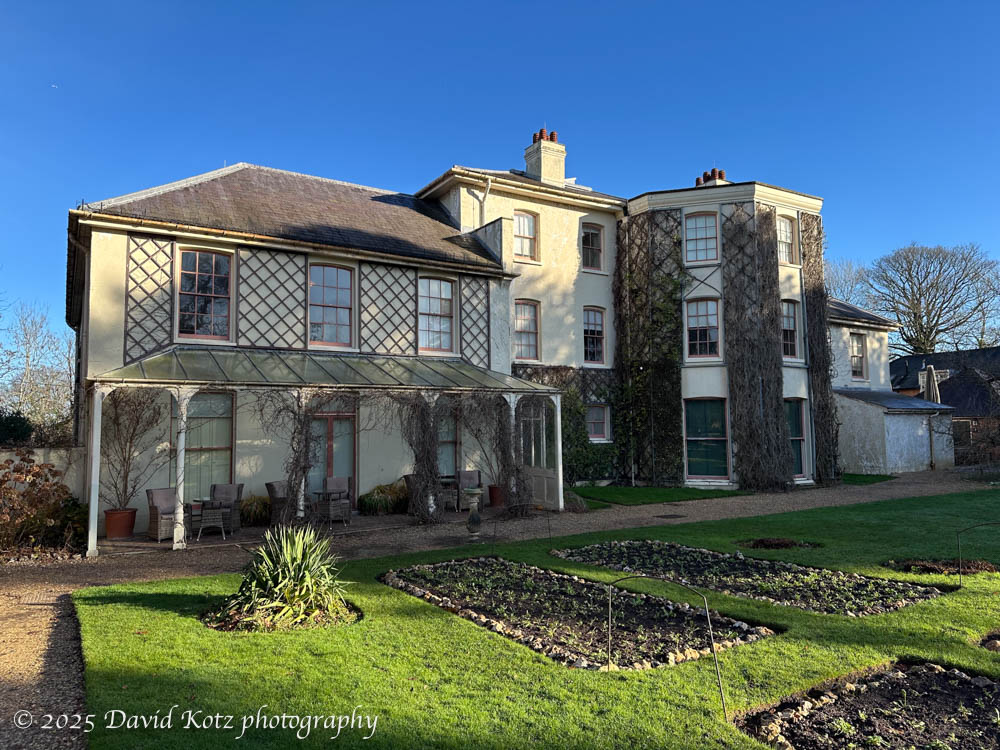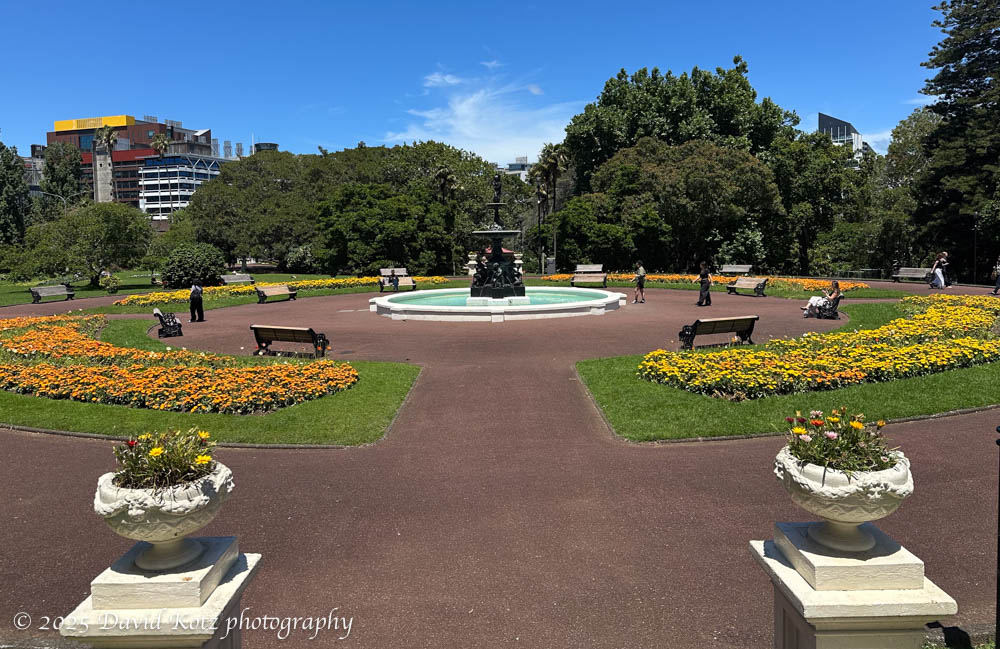
A quick daytrip to Brighton, to visit its Royal Pavilion and the famous Brighton Pier.
When I ask locals for tips about where we might explore, first, outside of London. Brighton beach is often on the list. Its historic pier is iconic, and the town itself includes several museums and historic sites. So we hopped on a train for a comfortable ride from downtown London directly to central Brighton, on a cloudy Saturday. Read on…
My second hike in two weekends, just as beautiful as the first.
With one outside-London hike under my belt, at Box Hill last weekend, I was eager to try another. This weekend happens to be the annual Peak Bag, organized by Dartmouth alumni to raise funds in support of student mental health. I registered, thinking I might be an unusual participant (outside the U.S.). By the time I hopped on the train out of London, however, several participants had posted about their completed hikes in New Zealand, Australia, and Hong Kong. It is indeed a global effort! Read on, to see where we hiked.
A circuitous ramble over and around Box Hill in the Surrey downs.
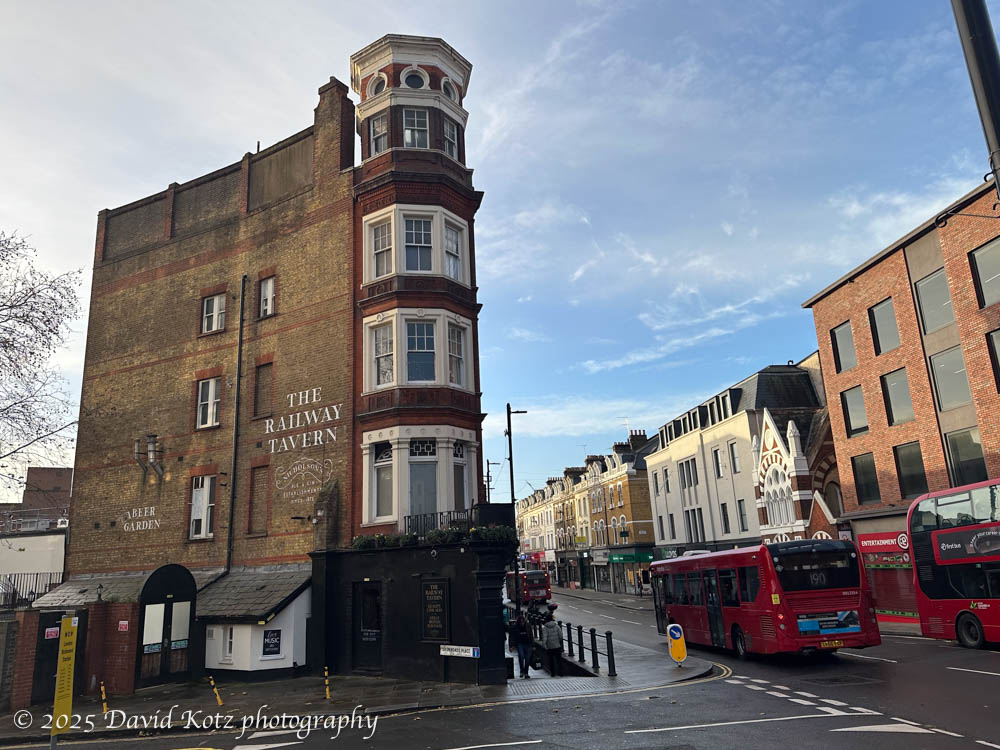
Four weeks after arriving in London for a year-long sabbatical, I was itching to get outdoors – out in the hills, forests, and meadows, after weeks of city life. Don’t get me wrong – I am truly enjoying the chance to explore London, and to adapt to city living. But I am a country mouse, at heart, and needed to be out where I could climb hills, take in broad vistas, and listen to the wind in the trees. After some online snooping, I settled on this eight-mile circular walk around Box Hill, just an hour’s train journey south of London. Read on!
The beginning of my year-long sabbatical in London.
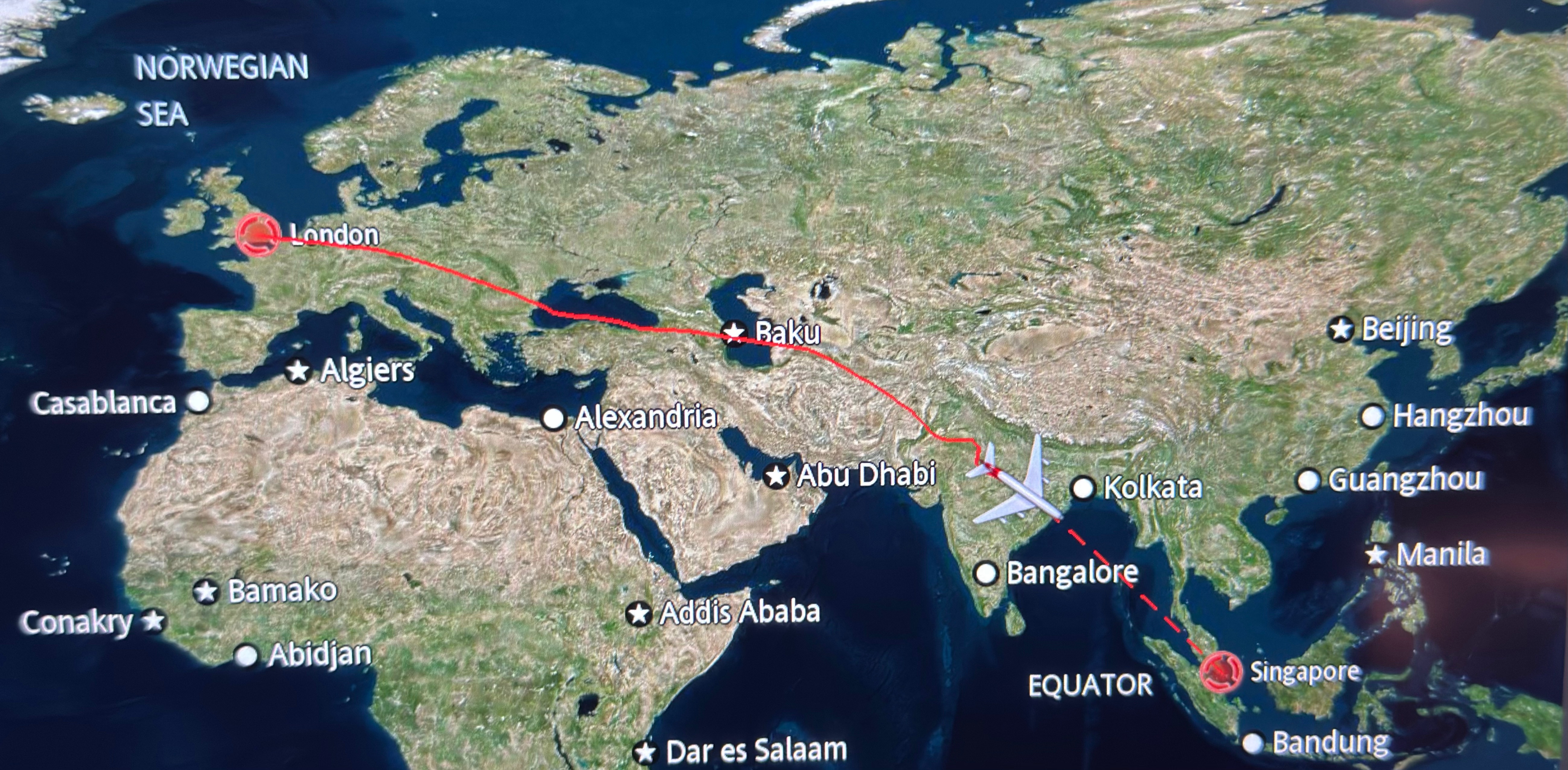
One of the joys of academic life is the opportunity to take the occasional sabbatical – a semester or a year away from the home university, focused on research without the day-to-day obligations of teaching or committee service. I have been extraordinarily fortunate to spend my past sabbaticals abroad: as a Fulbright Fellow to the Indian Institute of Science (Bangalore) in 2008-09, and as a Visiting Professor at ETH (Zürich, Switzerland) in 2019-20, leading to some fabulous scientific collaborations and personal/family adventures, which I’ve documented in this blog. Well, here we go again! this time, in London.
Ok, that’s the end of a series of posts about my week in Iceland, including visits to Diamond Beach and its two nearby glaciers, and eleven waterfalls:
Part of a series of posts about my travel in Iceland, including visits to eleven waterfalls.
On my final day in Iceland I decided to stop by Brúarárfoss, even though it was out of my way, because it was a beautiful day and these cascades appeared to be different than any I’d seen before. Although they are reached only by driving to the end of a long and rough gravel road, Brúarárfoss has clearly been ‘discovered’. A new gravel carpark had been hacked out of the brush, and a food truck anchored one corner. A short stroll on a bridle path brings visitors to a bridge across the stream, with upstream views of a multi-layer cascade. Perhaps most notably, the water in the central flow (where the water is deepest) is a bright turquoise color, presumably a result of its glacial source.
Part of a series of posts about my travel in Iceland, including visits to eleven waterfalls.
I was determined to visit Seljalandsfoss again at sunset, based on a tip from my guidebook. Because sunset was after 8:30pm, I assumed that most tourists (especially those from Reykjavik) would have gone home and I might have the opportunity to photograph these falls in golden-hour light with nobody else around. Boy, was I wrong. Everyone, and I mean everyone, seems to know that Seljalandsfoss is the place to be at sunset. As I staked out my place behind the falls, a dozen tour buses disgorged their loads; a stream of people was flowing up the trail and around the falls in anticipation of sunset.
Another spectacular waterfall – backdrop for a romantic engagement!
Part of a series of posts about my travel in Iceland, including visits to eleven waterfalls.
As my sixth waterfall of the day I visited Kvernufoss, a short walk from Skógafoss. As I followed its brook up into a ravine, I encountered only a few other visitors. At one point, at a particularly nice viewpoint, I took a mental snapshot of a young couple – the man smiling, the woman holding her left hand upright, a shining diamond ring on her finger – while an older woman with a professional camera took photos. An engagement! How heartwarming. I did not disturb them, and traveled onward. Kvernufoss falls from a high cliff above, and has eroded a massive bowl in the tuff… enabling visitors to walk behind the waterfall and look through the cascading water to the ravine and the lowlands beyond. Spectactular! Read on…
Part of a series of posts about my travel in Iceland, including visits to eleven waterfalls.
I like the name of this waterfall – Gluggafoss. The sound of the name, alone, makes it seem like an interesting place to visit! The name means window waterfall, because the waterfall has eroded deep into the cliffside, visible at parts through ‘windows’ in the rock face. As with some other Icelandic waterfalls, the upper section cuts easily through a layer of tuff, before landing on a harder layer of basalt; the lower cascades flow over this basalt layer. This two-tier foss emerges out of those windows, high on the rock face, then falls free into a pool below, then cascades over a lower set of falls, before calmly turning into a brook that bubbles past the nearby carpark. Few people were present when I came by, and I had plenty of opportunity to explore different angles for capturing the beauty of this unusual waterfall. Read on…