Bicentennial exhibit at University College London.
During my London sabbatical I have visiting positions at both Imperial College and University College London. As it happens, UCL is celebrating its bicentenary this month, so I stopped by their main building and student center to view the exhibits. It is open to the public and is worth a visit.
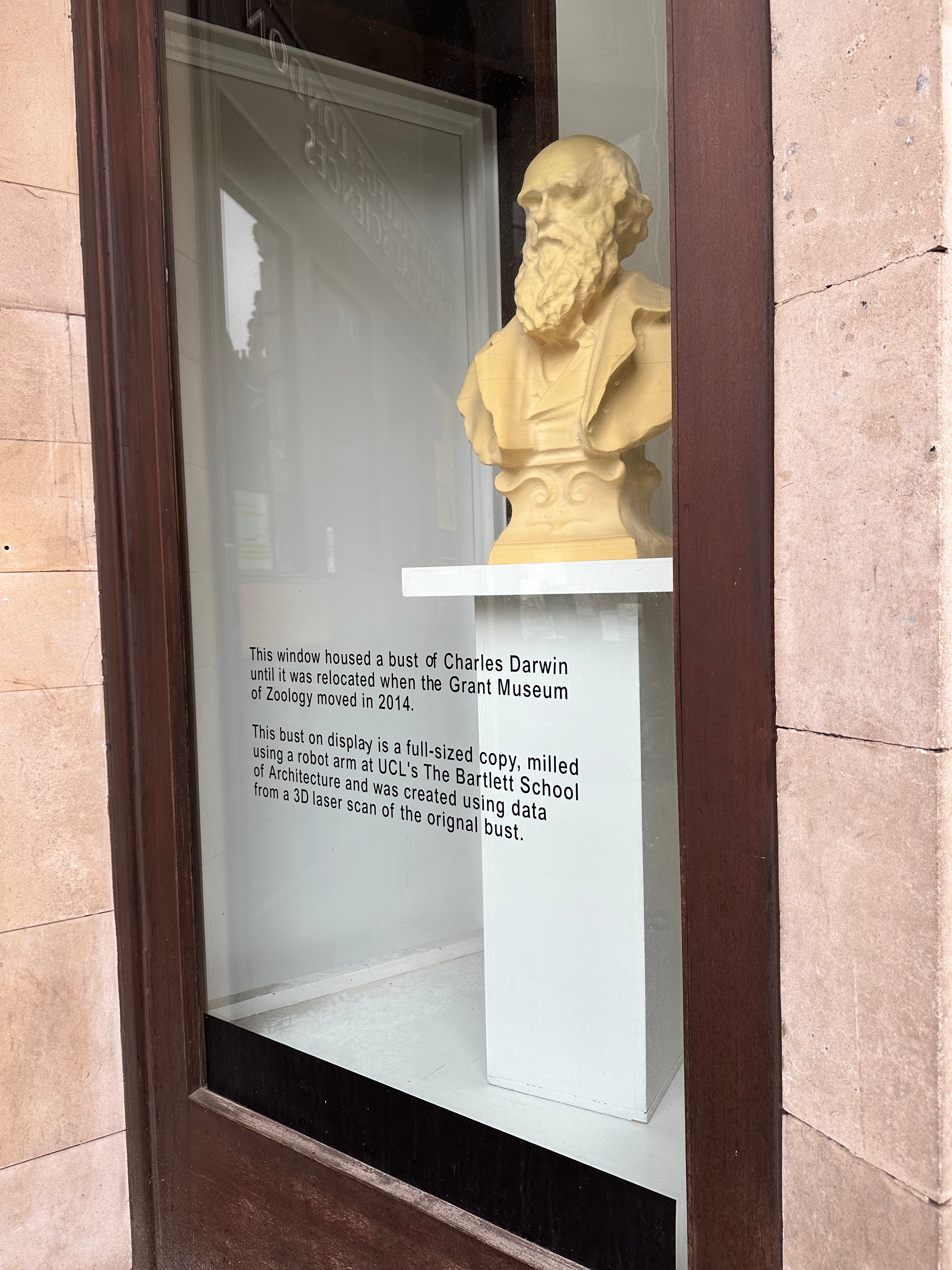
London is so steeped in history, it’s hard to go anywhere without running into it. Today I was walking through the London drizzle to an appointment at University College London and passed the Darwin Building. Really. How many universities have a biology building named after Charles Darwin? Wow. Although Darwin apparently never had any connection to UC London, he briefly lived in a home previously located at this site… so there is a historic marker on this building, and his bust is displayed prominently in the entrance.
Searching for history in the alpine forests of Mount Moosilauke.
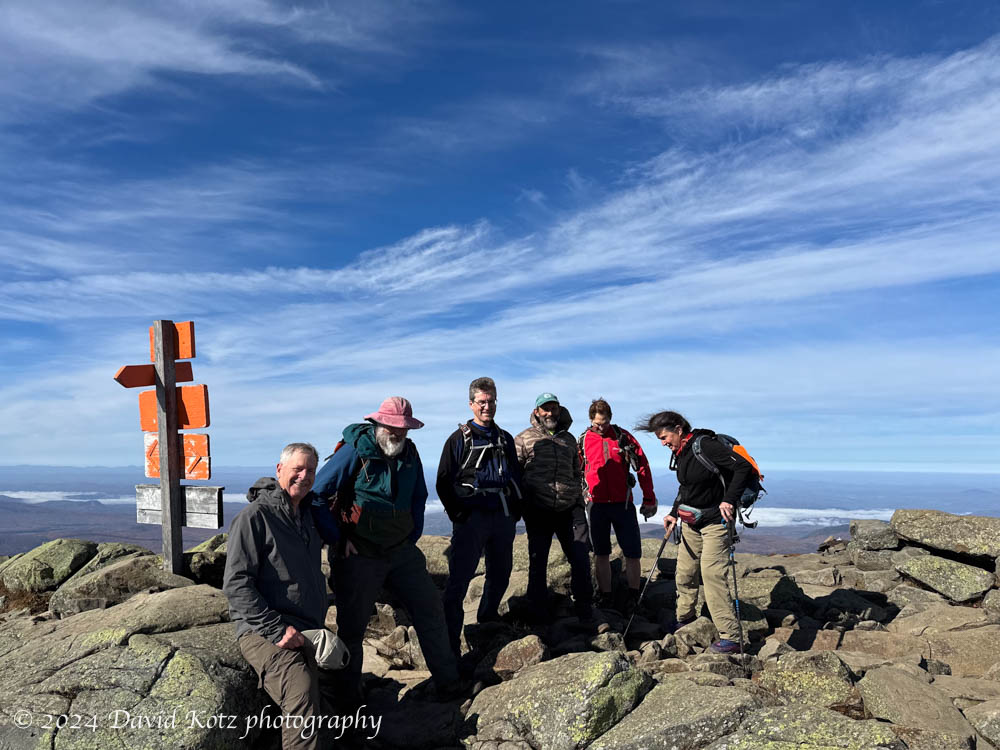
Some of my friends have, for several years, been interested in locating a long-lost trail on Mount Moosilauke, one dating back to 1880… and that allegedly led down from the summit to a ledge overlooking Jobildunc Ravine, with a fine view of its watery cascades. With the thin information available in old documents and oral histories, we first tried to find the viewpoint – which supposedly had an iron railing to protect guests from the steep cliffs below – in June 2022. Today, after some in our group had carefully studied recent maps (satellite images, aerial photographs, and LIDAR scans), we set out again. It was a glorious fall day to bash about in the woods. Did we find it? Read on!
A delightful couple of hours touring the heart of the historic district in Charleston, SC.
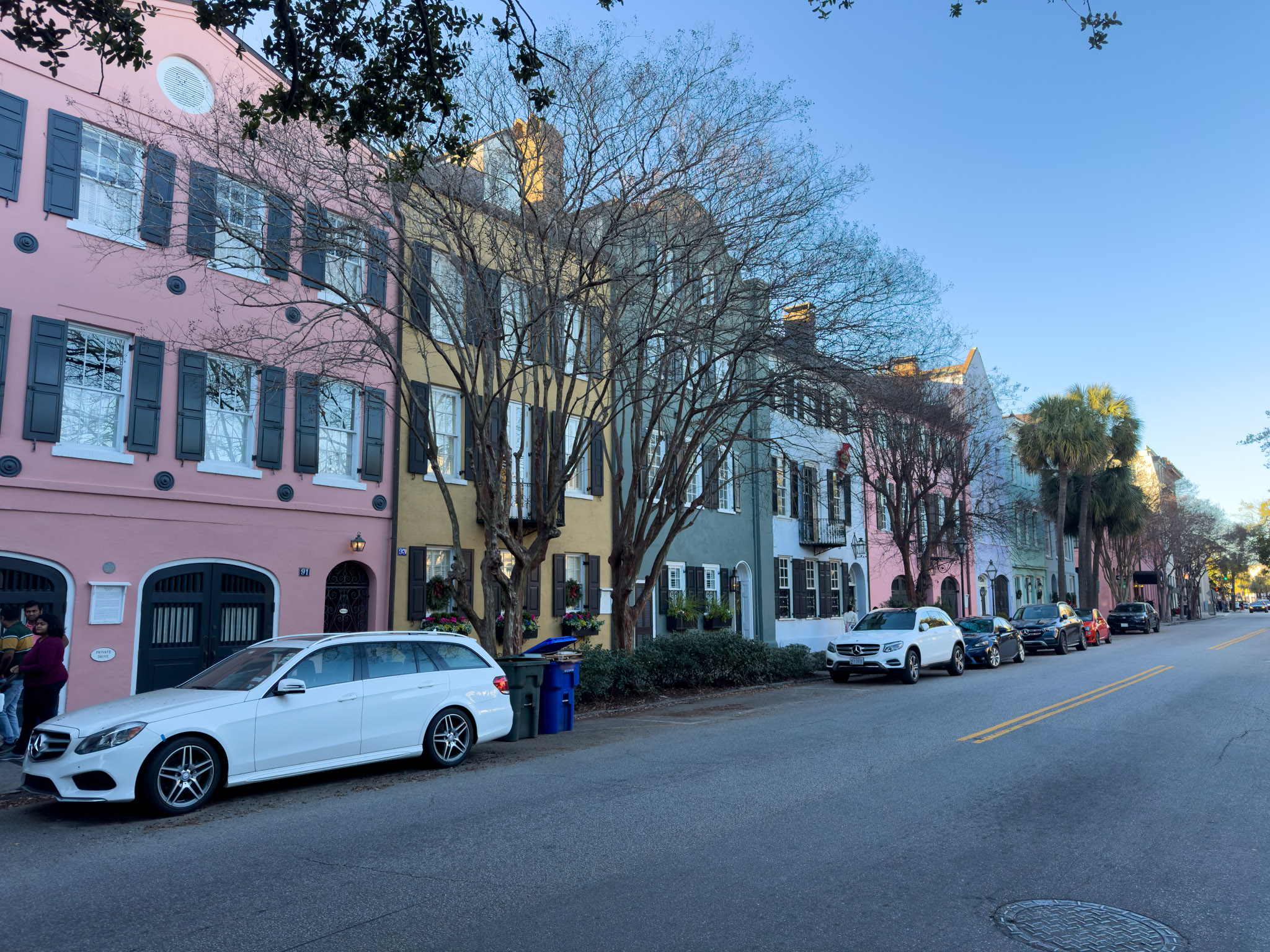
I’ve been visiting Charleston, South Carolina for over 35 years, and yet feel like I’ve barely scratched the surface in exploring its 350-year history. Our focus while here is nearly always on family activities, and we have only rarely taken the opportunity to be tourists and tour some of the historic sights. This weekend we signed up for a walking tour of the core area of the historic district. Charleston is one of the oldest (European) cities in North America, founded over 350 years ago. Many of the earliest buildings still survive, despite two devastating wars, a citywide fire, an earthquake, and numerous hurricanes. The cobblestone streets, narrow lanes, and variety of architecture are truly breathtaking. See the gallery for a few photos of the highlights.
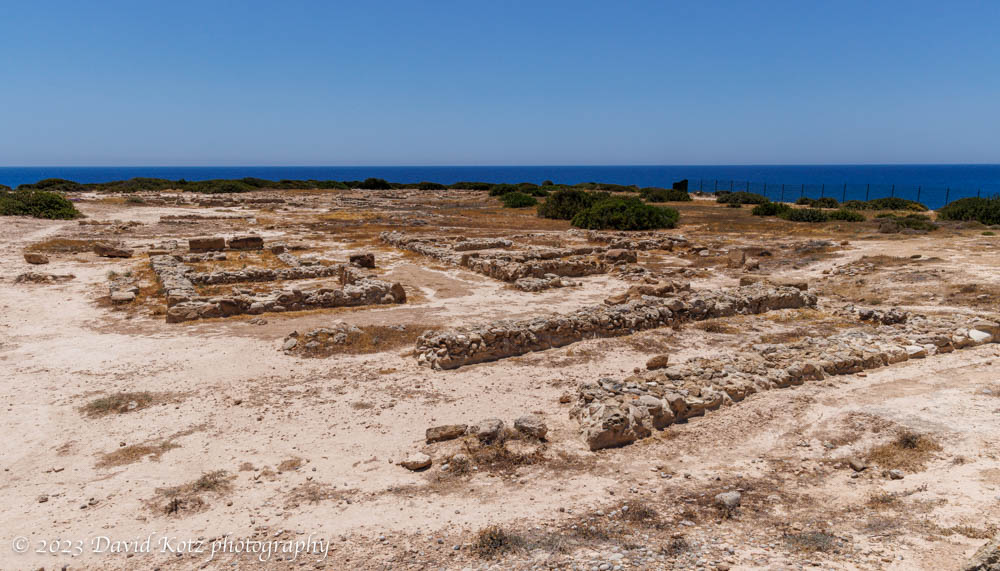
From the patios in front of our hotel we look out across the bay – ahead is the Mediterranean Sea; to the right is Karst Point, which I explored on my first morning here; to the left is a steep-shored peninsula housing the grounds of the Mycenaean colonization of Cyprus, or so says the map. Today we strolled over there, paid a small entrance fee to the sleepy gate clerk – I suspect we may have been his only visitors this week – and explored the small museum.
Ruins of the Mycenaean Colonisation of Cyprus.
It is truly remarkable to be walking among the foundations of homes built over 3,000 years ago, still evident – and marking the location of the first Mycenaean Greek colonists on the island of Cyprus, around 1,200 BC.
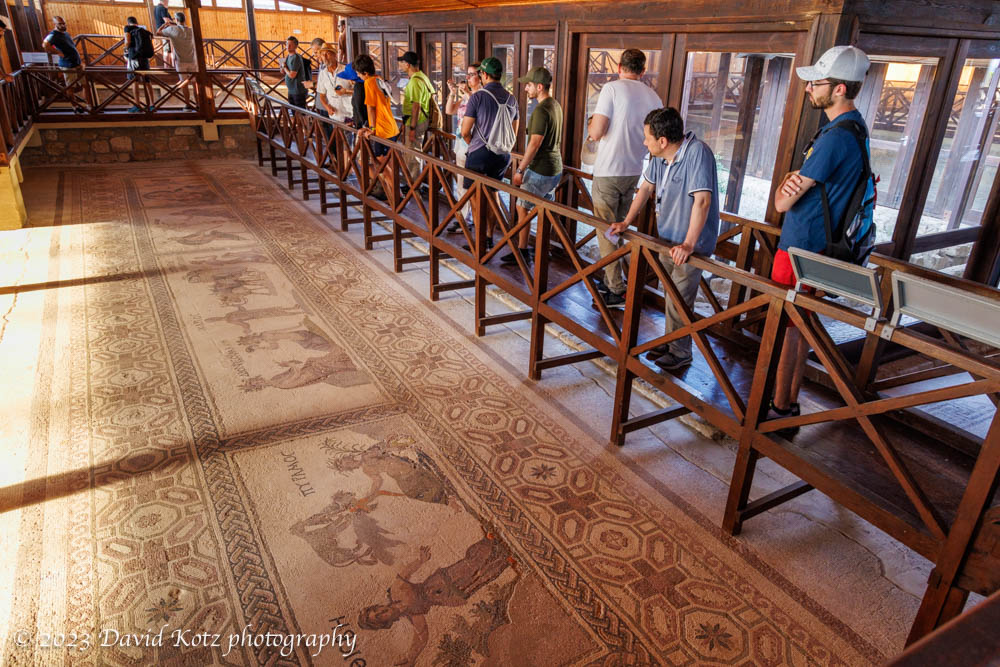
The conference organizers kindly organized an afternoon tour of two local archaeological sites, now UNESCO World Heritage sites, on the outskirts of the ancient (and still thriving) city of Paphos. Read on and see the gallery!
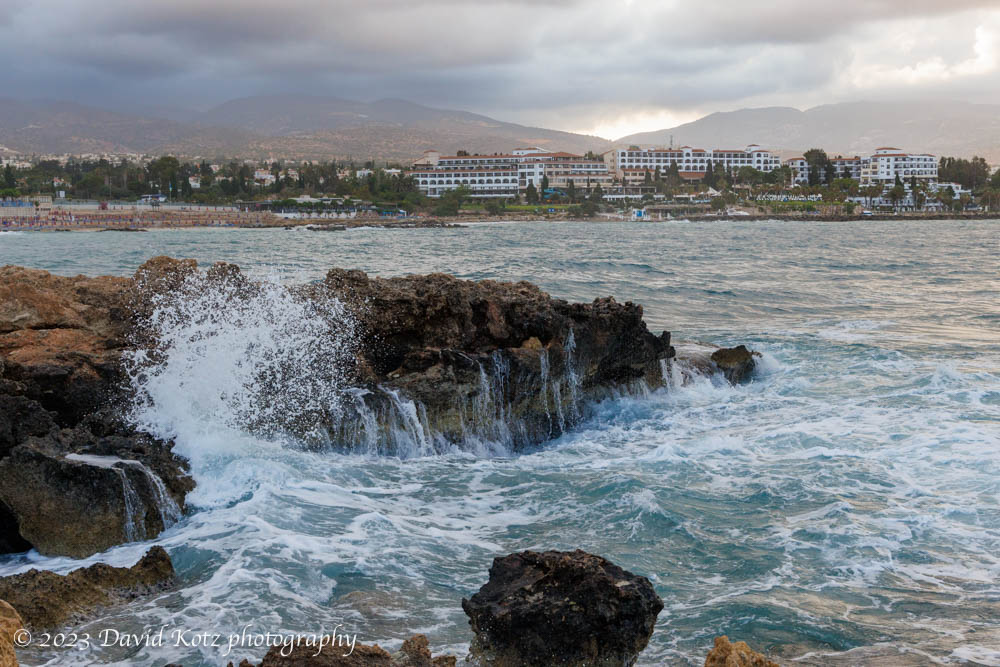
We’re off again, this time to the island nation of Cyprus in the Mediterranean. I needed to attend a computer-science conference (DCOSS-IoT) for a few days, so we decided to extend the trip by two days and explore this island that has been at the crossroads of history for millennia. We are staying at an oceanside hotel in Coral Bay, outside Paphos; on our first morning, I took a walk along the shore to a point (“Karst point”) that provided a lovely view back across the bay to the hotel. My first gallery of photos shares views of the hotel, the bay, and some of the lovely flowers blooming this time of year.
In touch with the Shackleton expedition – literally.
Thomas Orde-Lees photo by Frank Hurley – Public Domain
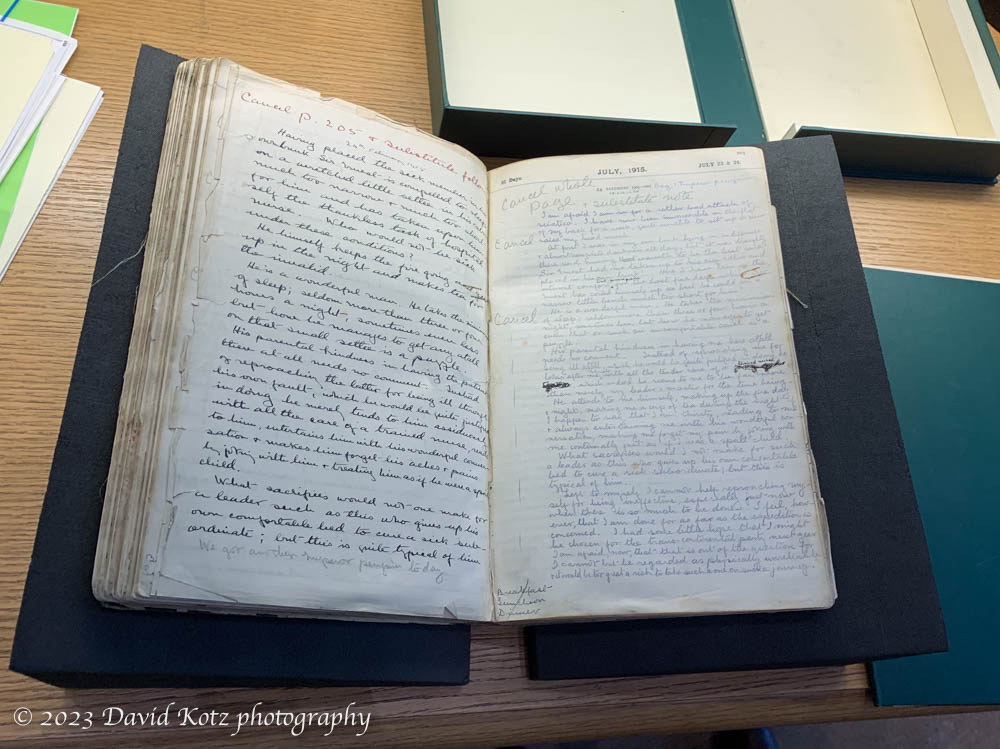
Although I am woefully far behind in processing and sharing images from our trip to the Falklands and South Georgia – over two months ago! – I still dream of those landscapes and the intense history behind them. Today (May 20) is celebrated in South Georgia as Shackleton Day, recognizing this day 107 years ago when Ernest Shackleton and two of his crew (Frank Worsely and Thomas Crean) stumbled into the tiny whaling station of Stromness, on the east side of South Georgia. That was their first contact with civilization since they had left South Georgia 18 months earlier, having failed in their expedition but accomplished one of the most incredible feats of survival and navigation ever recorded. (I’ve written about that story before.) I had the good fortune to walk in Shackleton’s steps during our visit in March, descending into Stromness just as he and Worsely and Crean had done a century earlier. (More on that hike to come later!) But since returning home I’ve had another amazing opportunity to connect with that incredible expedition: to read and to hold the diary of Thomas Orde-Lees, the expedition’s ski expert and storemaster. Read on!
Diary of Thomas Orde-Lees, written during the Shackleton expedition to Antarctica in 1914-16. (Collection of Rauner Library, Dartmouth College)Continue reading “Thomas Orde-Lees”
Lenin spent a year in Zürich while writing his book.
If you wander down a tiny street in the Altstadt (old town), you may come across a nondescript historical marker indicating that “Lenin lived here.”
A residence of Lenin when he was living in Zurich.
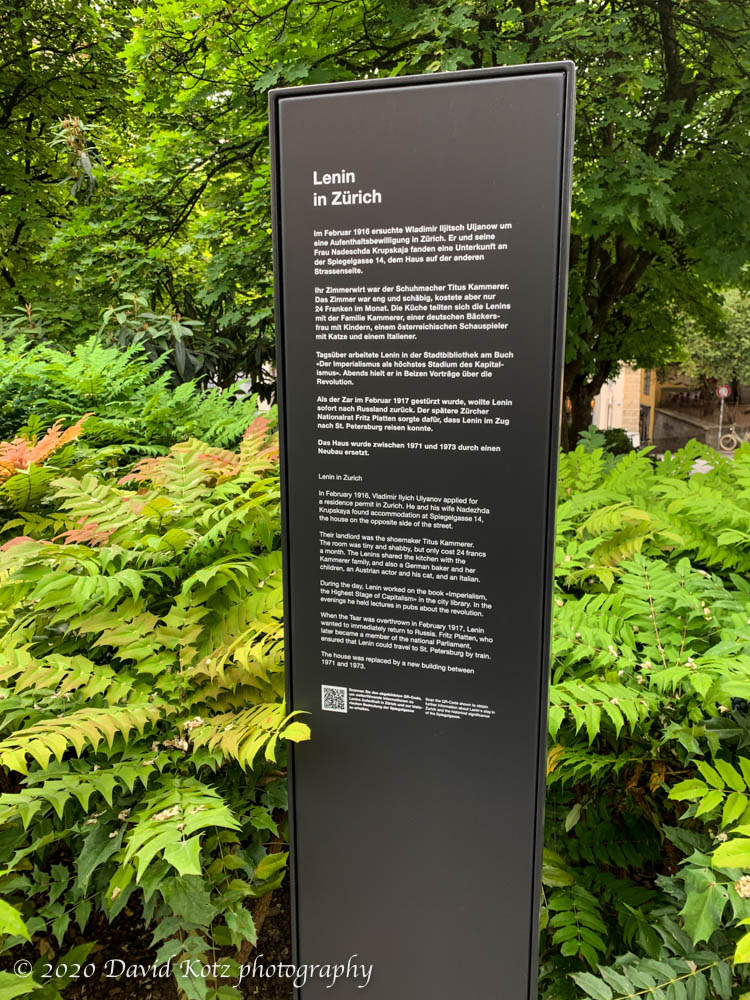
Indeed, it turns out that Lenin and his wife lived here for a year, 1916-17, while he worked on his book, Imperialism, the Highest Stage of Capitalism. A nearby marker gives more details:
A residence of Lenin when he was living in Zurich.
“I don’t believe in coincidences,” said Laurence, as we drove from the train station in Horb toward Sulzau, Germany, the tiny village where my great-great-great grandfather Franz Kotz first learned his trade as a schreiner (cabinetmaker) and which he left in 1848 to find a new life in America. I never imagined that I might be back in Sulzau so soon, in search of the Sulzau-Kotz connection – and I certainly never imagined I would meet a distant cousin, today. Read on!


 David Kotz