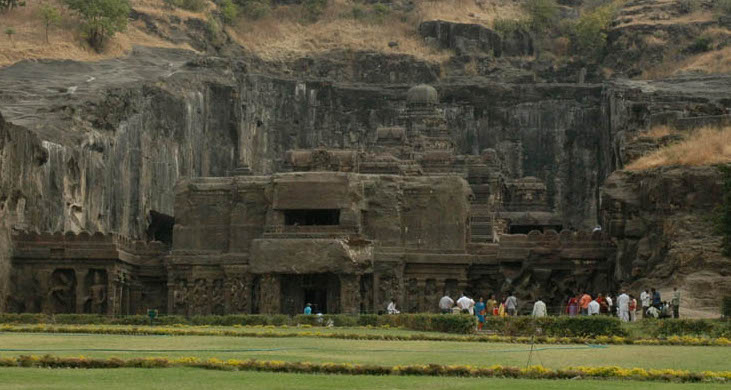
Incredible hillsides carved from bedrock, two thousand years ago.
Step back two thousand years, and find yourself a mountainside of solid volcanic rock: black basalt, solidified lava. Working top down and outside in, carve yourself a freestanding three-story temple using only hand tools. As you go, include exquisite carvings, rooms, pillars, and life-size elephants. Coat the sculpture with plaster and paint detailed scenes from Buddhist, Hindu, or Jain mythology. Really? Read on.
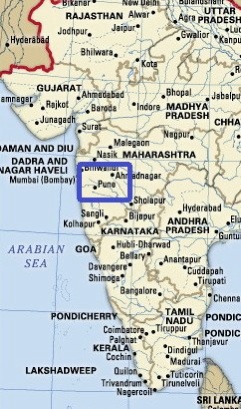
We spent Republic Day weekend touring from Mumbai to Aurangabad, Ellora, and Ajanta. On Friday I met Pam and the kids at the Mumbai airport– I had spent Thursday visiting IIT Bombay– and then we drove about 8 hours east up through the Western Ghats and across the high plains of Maharashtra to Aurangabad [location]. We stayed there three nights. [The kids were happy because the “Lemon Tree” hotel had both a swimming pool and a pool table. And a big buffet.] Anyway, on Saturday we drove to Ellora Caves, and on Sunday we drove to Ajanta Caves; more on those amazing sites later. On Monday, Republic Day, we drove again 8 hours across Maharashtra back to the Mumbai airport and thence home.
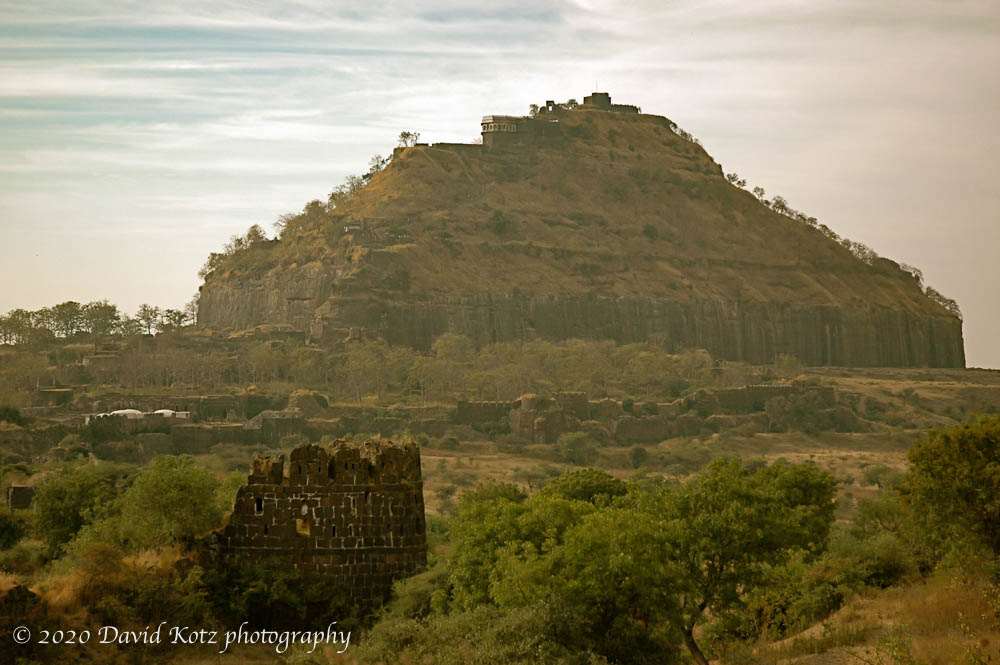
Ancient Daulatabad, main fortress at top.
It was a lot of driving, but I love to pass the time by taking photos of people and places as they go by. This is the dry season, with the monsoons not expected to come again until June… the plains seemed like a desert, with scrubby brush and grasses dominating the landscape. It was agricultural and rural, with few dwellings and scattered villages. I saw many places where people lived in huts or even teepees made of sticks, or of mud, or scraps of corrugated metal. It is clearly a tough place to make a living.
See the photos. Watch for the cow that makes sugar-cane juice!
This post was transferred from MobileMe to WordPress in 2020, with an effort to retain the content as close to the original as possible; I recognize that some comments may now seem dated or some links may now be broken.
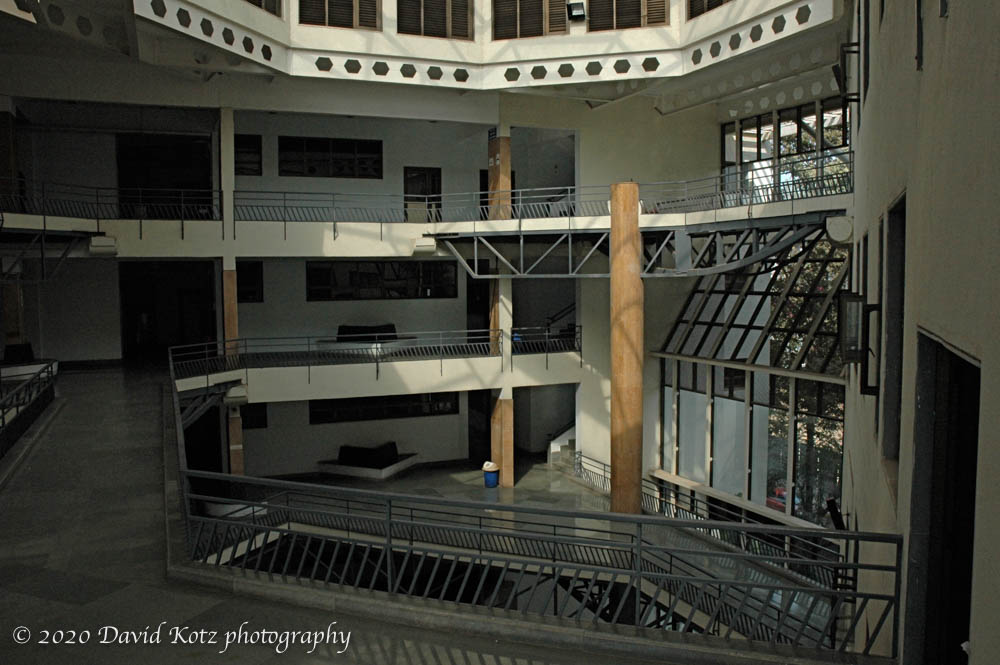
The CSE building has a large atrium in the center.
I thoroughly enjoyed my visit, and was intrigued by the many interesting research projects. There is a lot going on there, at least in the area of wireless networking.
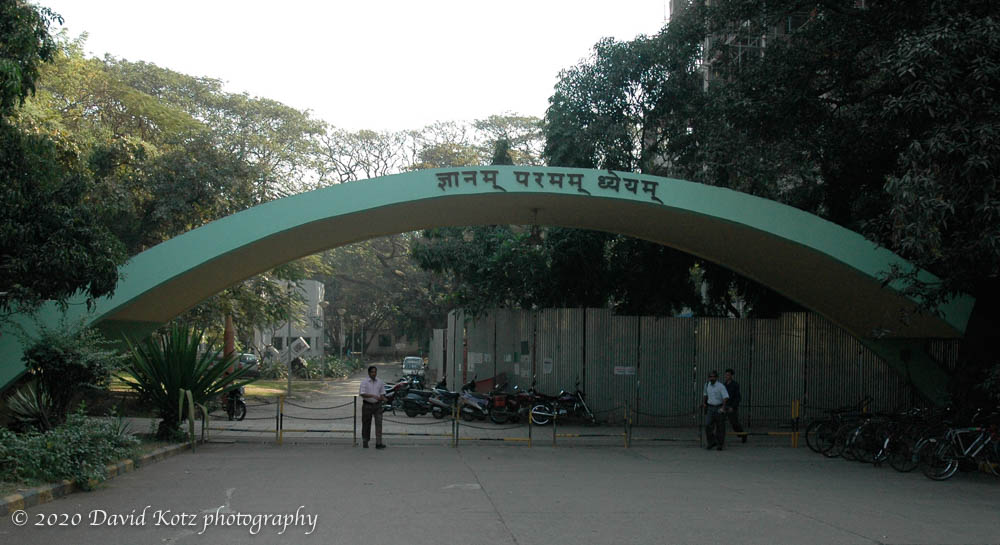
Gyanam Paramam Dhyeyam (Knowledge is the Ultimate Goal).
Varsha was kind enough to show me around campus. You can see some of my photos, and the location of IITB.
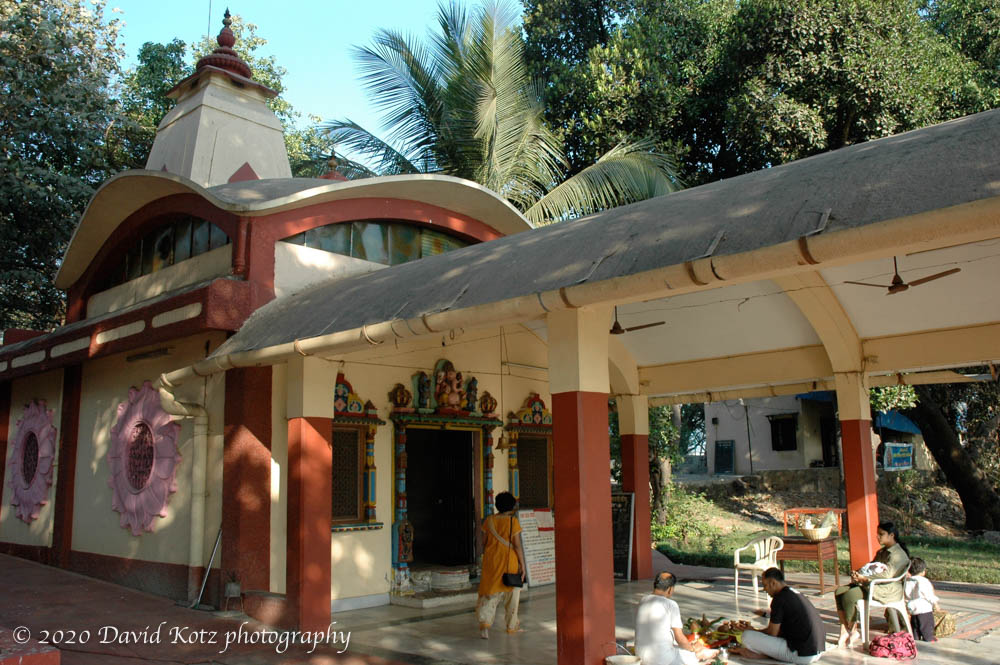
IIT Bombay: an on-campus Hindu temple.
This post was transferred from MobileMe to WordPress in 2020, with an effort to retain the content as close to the original as possible; I recognize that some comments may now seem dated or some links may now be broken.
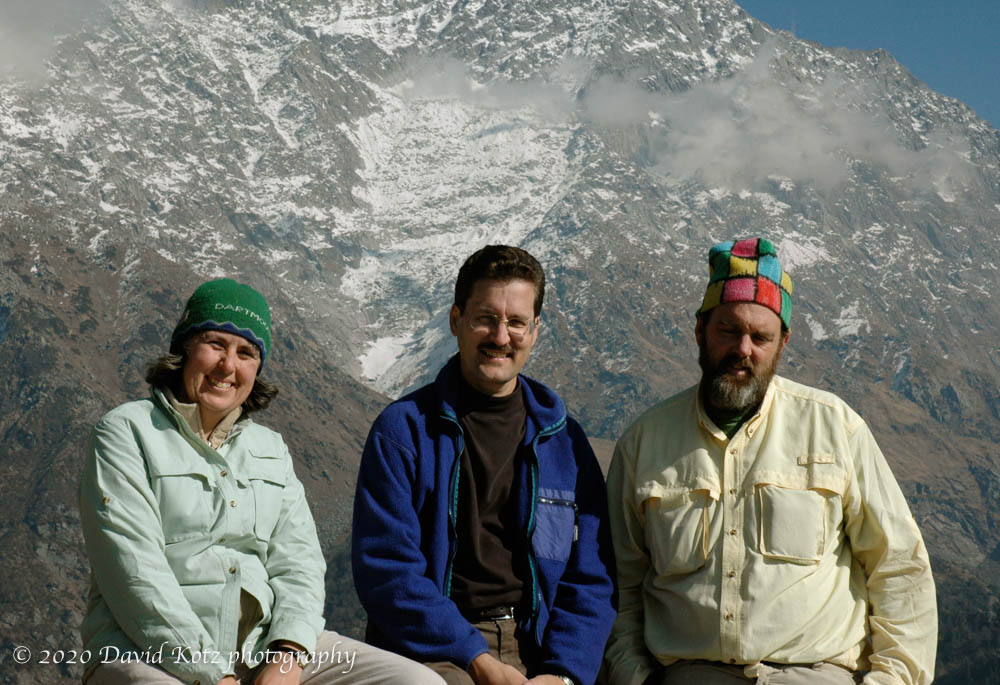
Following our 25-year tradition, I spent New Year’s day hiking with my Dartmouth friends David and Kathy. This year, we have our families along, including Benjamin (age 4). Read on and check out the photo gallery.
Chubbers in the Himalaya! David with Kathy and David in the Triund pass above Dharamsala, India, on New Year’s day.Continue reading “New Year’s day”
Three days in Dharamsala over the New Year’s holiday.
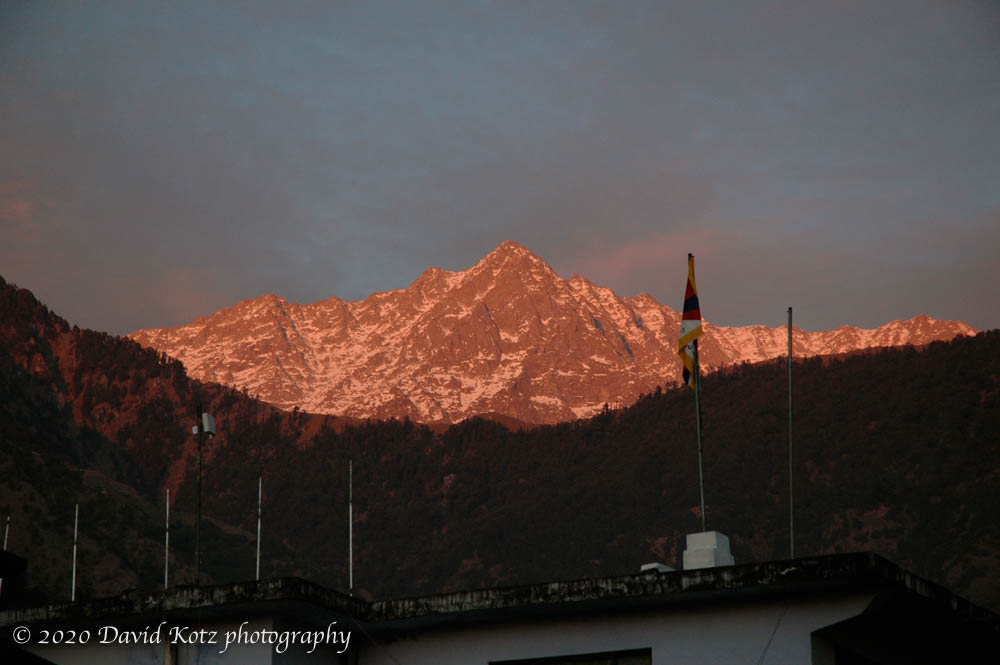
Dharamsala [location] is about as close to being in Tibet you can get and still be in India. Strictly speaking, we visited McLeod Ganj, sometimes known as upper Dharamsala. This quaint little town clings to the hillside, with narrow streets and buildings packed closely together. It is a major tourist destination, because it is the home of the Tibetan government in exile, and a beautiful place with friendly people. Read on and check out the photos.
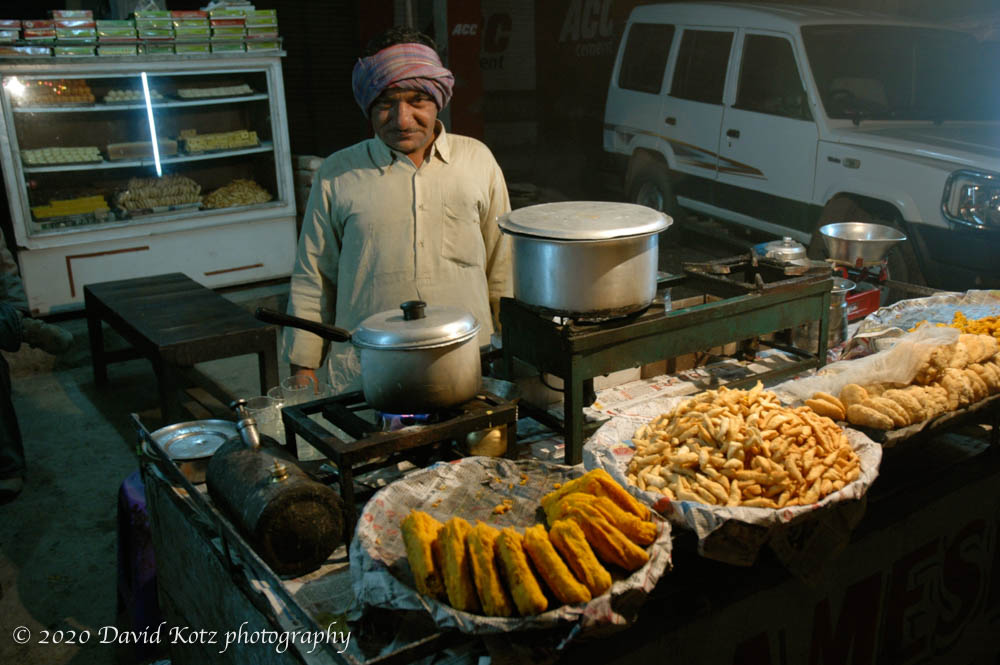
It’s 2am and time to stop for a tea break. The sleepy roadside teawallah, bundled up against the damp chill, fires up his two-burner stove and puts the tea on. Platters of fried snacks beckon, but I’m not sure how long they’ve been there. In any case, greasy food is not advisable: in a few minutes we’ll be back on the dark road, barreling at high speed up twisty narrow mountain roads in dense fog, Bollywood music cranked to the max, swerving around heavy trucks coming downhill. Read on, and hang on: this is a rough ride…
We visited Delhi just after Christmas. I had heard good things – incredibly rich history, diverse cultures, and fantastic food – and bad things – crowded, terrible smog, and horrendous traffic. In retrospect, Delhi is all those things, and more. Read on, and check out the galleries: photos of sights, photos of people.
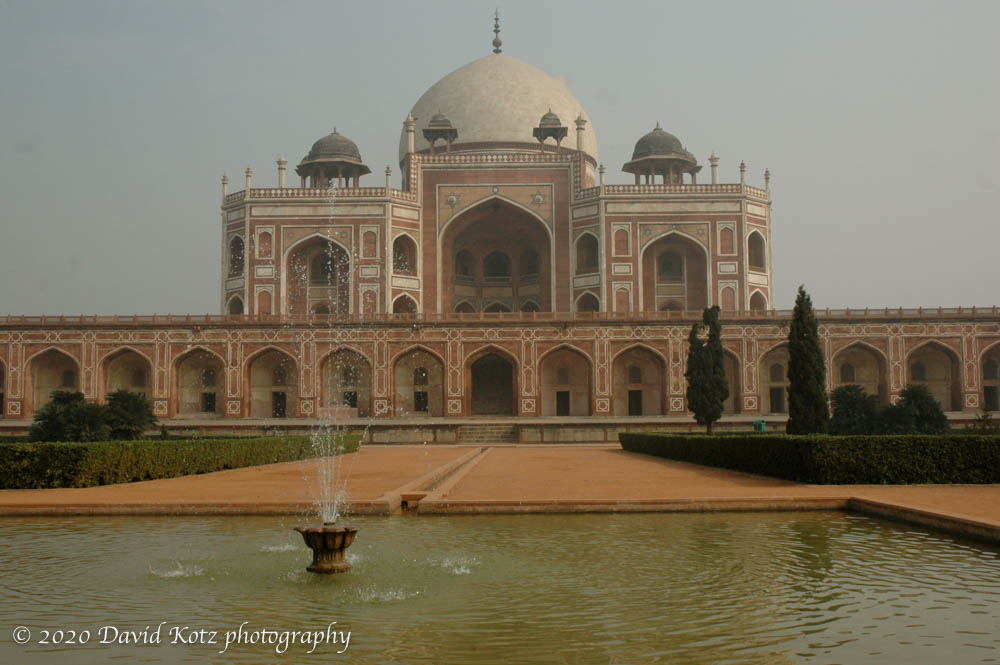
Humayun’s tomb: the tomb built for Humayun, the emperor, by his wife. [Delhi]Continue reading “Delhi”
A night in Mysore before a quiet family Christmas at home.
We spent a night in Mysore [location], before heading back to Bangalore on Christmas Eve. We had been to Mysore back in October, but wanted to visit again so my parents could see the palace and other sights. The palace is truly amazing, indeed, if they would only let me take photos inside I could share with you the carved ceilings, elaborate woodwork, and huge marble palace rooms.
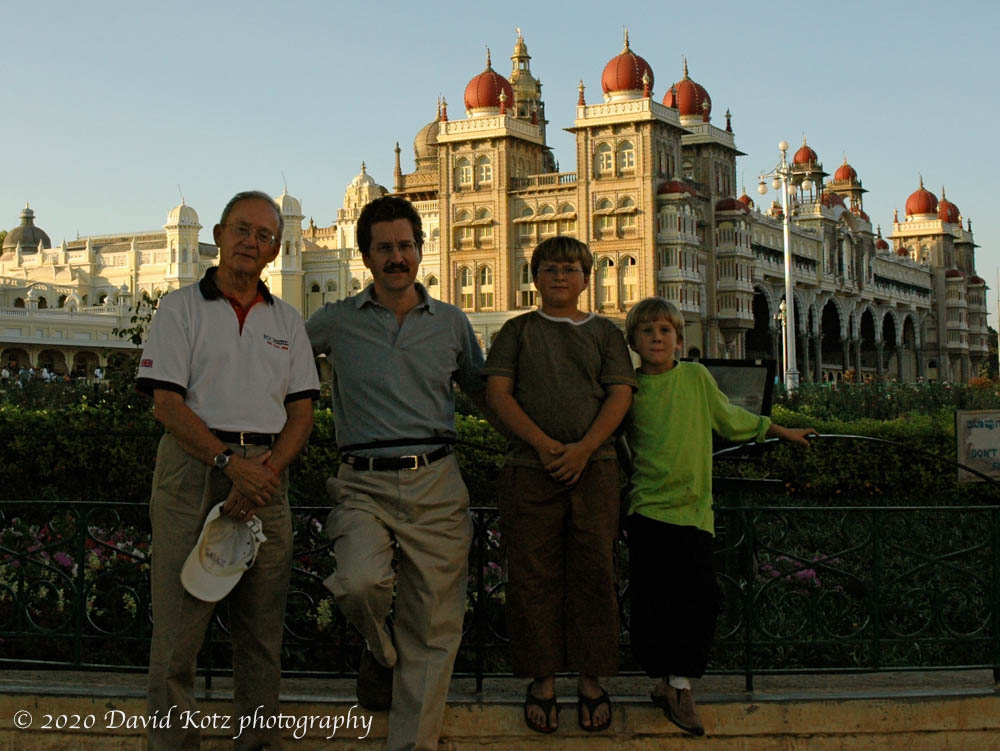
The Dudley team (past, present, and future), at the Mysore Palace. Grandpa Jack, David, John, Andy.
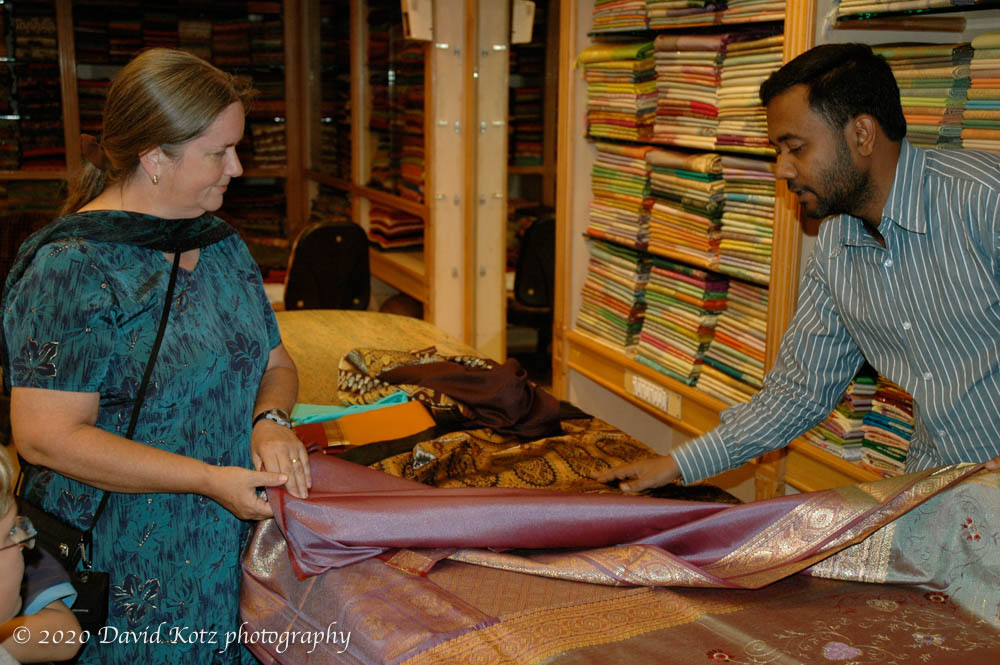
We also visited the Mysore silk factory, which was fascinating, and deafening! Vast rooms full of electric looms, clattering away, spinning and and then weaving gorgeous bolts of pure silk, or silk woven together with gold. It hurt the ears, and yet most of the workers had little ear protection. Again, no photographs allowed, so here is Pam shopping for silk at a nearby shop.
Pam looks at saris in Mysore.
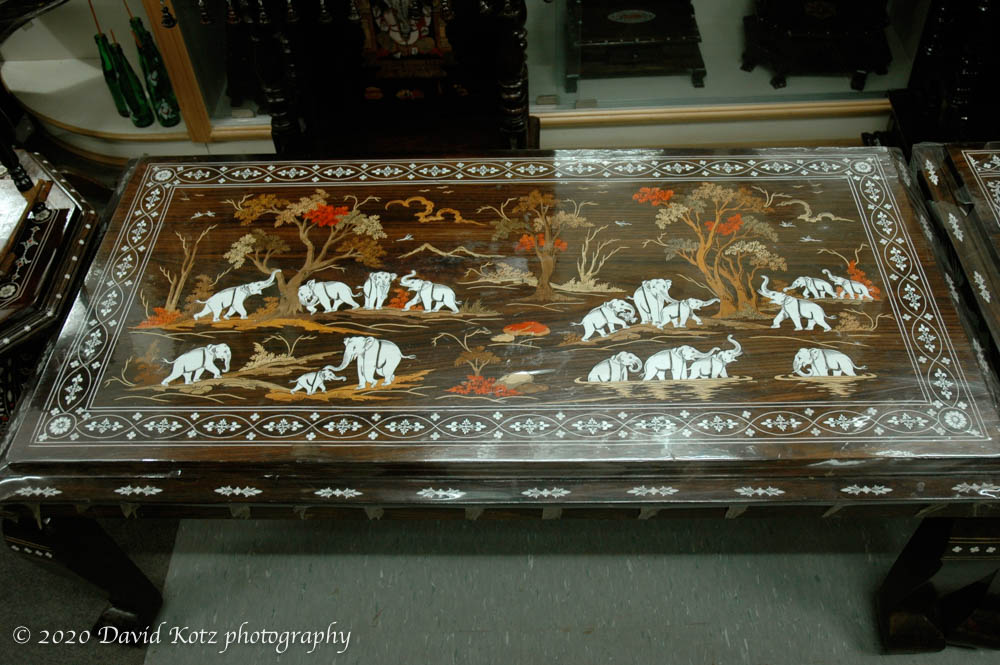
We visited a gift shop, because this region is well-known for its inlaid wood furniture. We spent many hours there, watching the woodworkers, choosing some pieces to send home, and examining the beautiful silk. As a gimmick, on our arrival the shopkeeper had one of the woodworkers instantly and freehand sawed a delicate carved initial for each of our kids. We bought a beautiful table made of inlaid wood:
we bought this inlaid-wood table at a Mysore furniture workshop.
Christmas Day was quiet, spent in our apartment at home. The kids were thrilled to receive an iPod nano each. Amazing how Santa read their minds! Now, if we could just get them to put the dang things down and look outside the window….
This post was transferred from MobileMe to WordPress in 2020, with an effort to retain the content as close to the original as possible; I recognize that some comments may now seem dated or some links may now be broken.
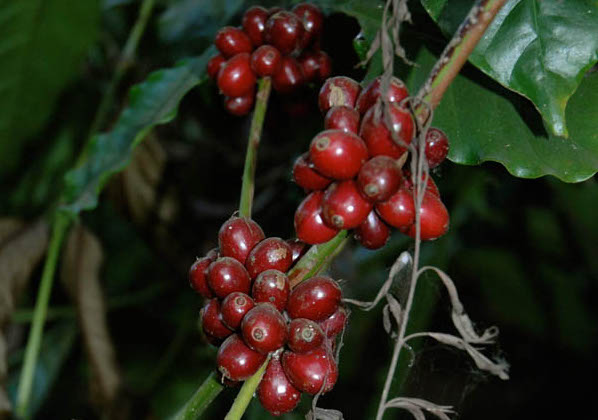
At the end of our Kerala trip (see previous entry), we drove up into the Western Ghats to spend a few days at the Orange County Resort in Coorg [location] [in 2021, I think that resort is now at this website]. Coorg is famous for coffee plantations and cool green hills. Read on, and check out the photos.
Back to the Kerala coastline for two nights, then back up into the Western Ghats.
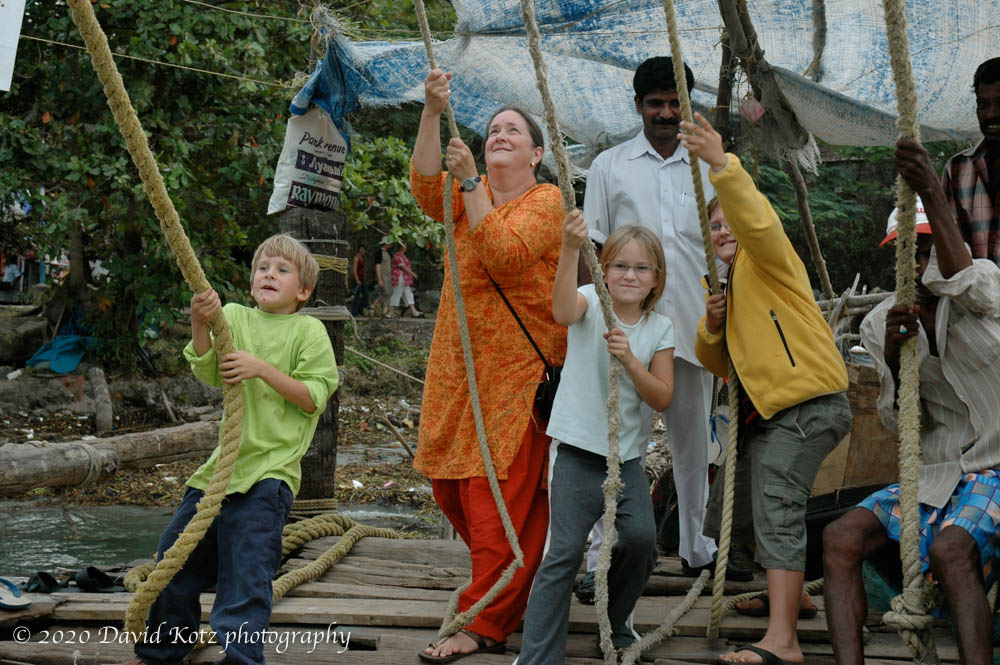
Back on the coast, in Kochi, we stayed one night in the peninsula of Fort Cochin [location]. The highlight there was a visit to the harbor front, where we stopped to help some fishermen work the famous “Chinese” fishing nets – an ancient technology introduced to the area by Chinese fishing fleets hundreds of years ago and still in use today [location]. Read on and check out the photos from Kochi and photos from Kannur.

 David Kotz