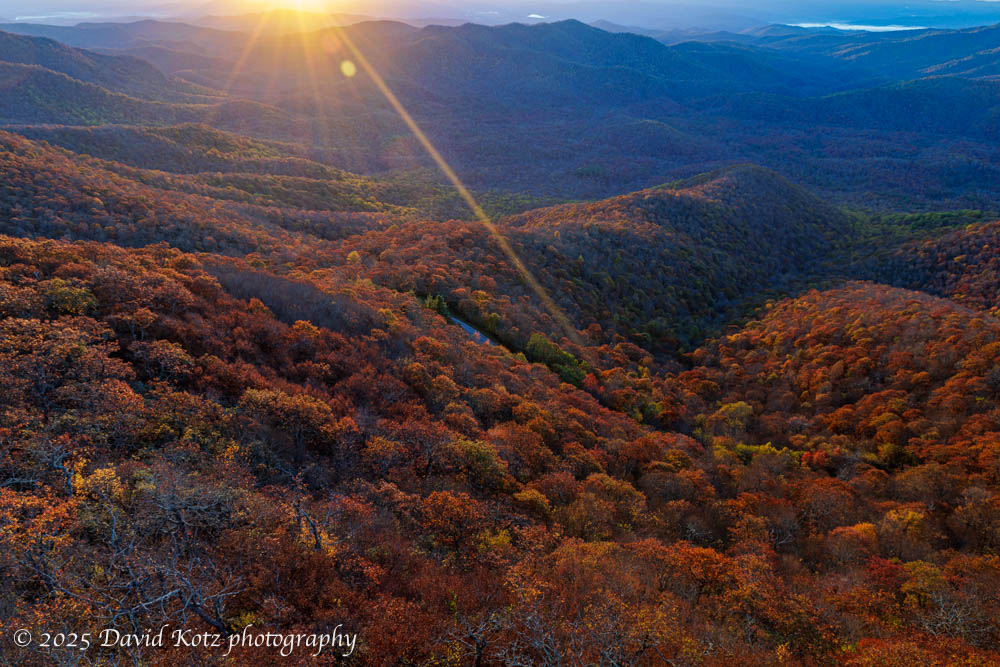
Wow, 2025 was quite the year. With a dozen or more hikes in New Hampshire, and travels to Australia, England, Greenland, Iceland, New Zealand, Colorado, New Hampshire, North Carolina, and South Carolina, I had many opportunities for photography. Check out some of my favorite photos!
50 days of non-stop travel around the world,… and then some.
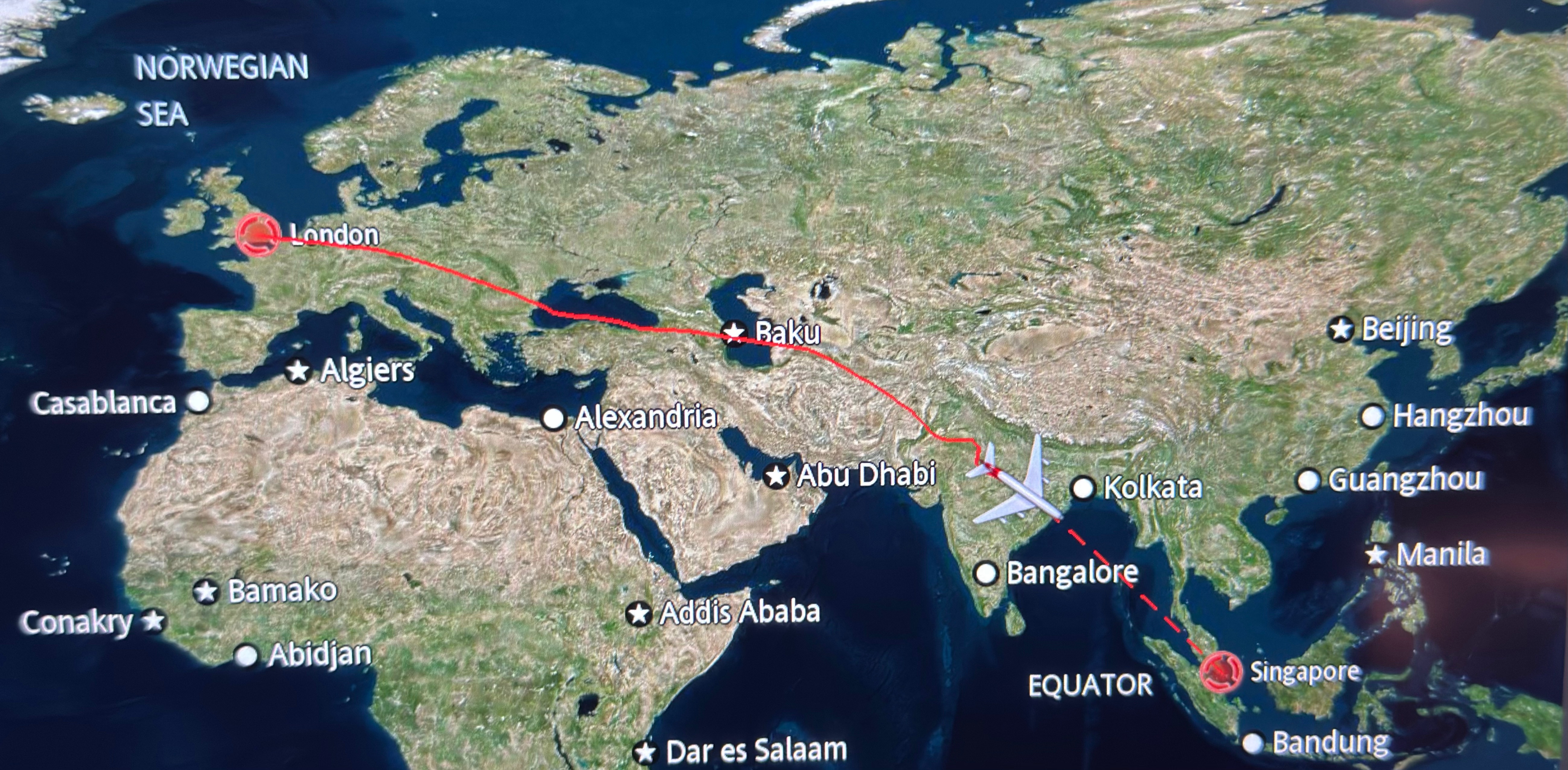
Whew, it’s good to be back home, after fifty consecutive days of travel spanning the globe. We departed our flat in London on 15 October and, other than a brief visit to the flat for two nights of laundry and repacking, we’ve been on the road ever since.
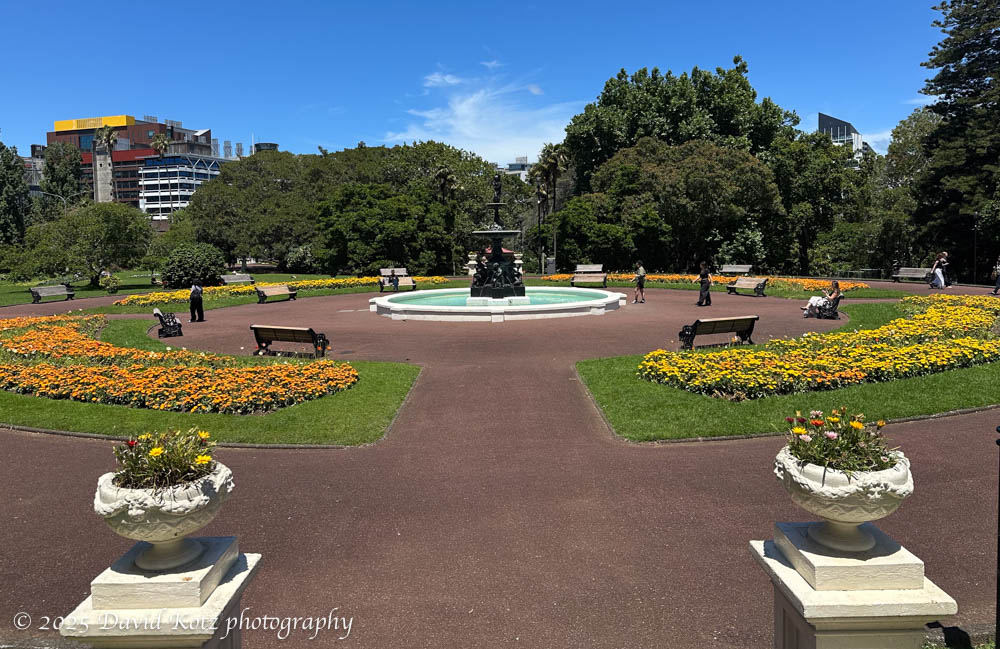
We pulled into Auckland harbor early this morning, a sunny spring day. Amid all the packing and logistics of disembarking our two-week home, the Heritage Adventurer, we said our goodbyes to new friends and colleagues. Because our flight was not until the afternoon, I decided to make a visit to the computer-science department at the University of Auckland. I enjoyed the chance to stretch my legs, walking a dozen blocks up the streets and through the beautiful Prince Albert Park, to reach the university campus.
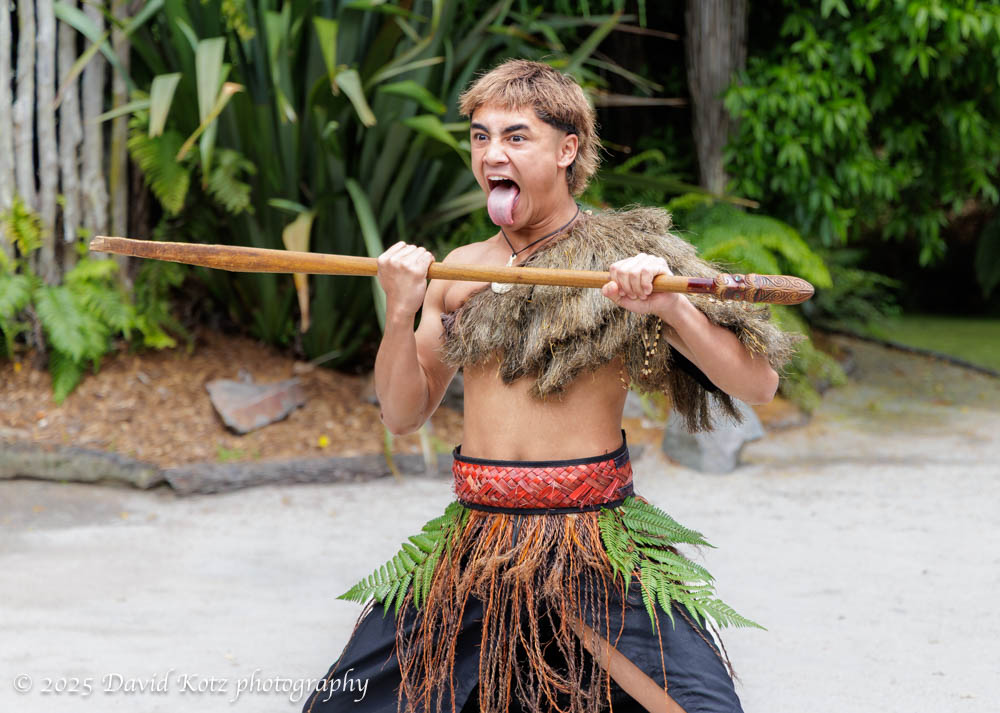
Not long after leaving the Waiotapu thermal pools we stopped at Te Pā Tū (in Rotorua), a Māori village (pā) for a cultural experience. As we approached the gated, log entrance to this forested compound, we were welcomed into the marae (sacred space) through a traditional pōwhiri welcome ceremony. Several young warriors emerged into the clearing, carrying wooden batons; after an agressive-looking display, each gently placed a fern on the ground and backed away. One member of our party then approached, picked up the fern, and then (without losing eye contact), retreated backward to our group.
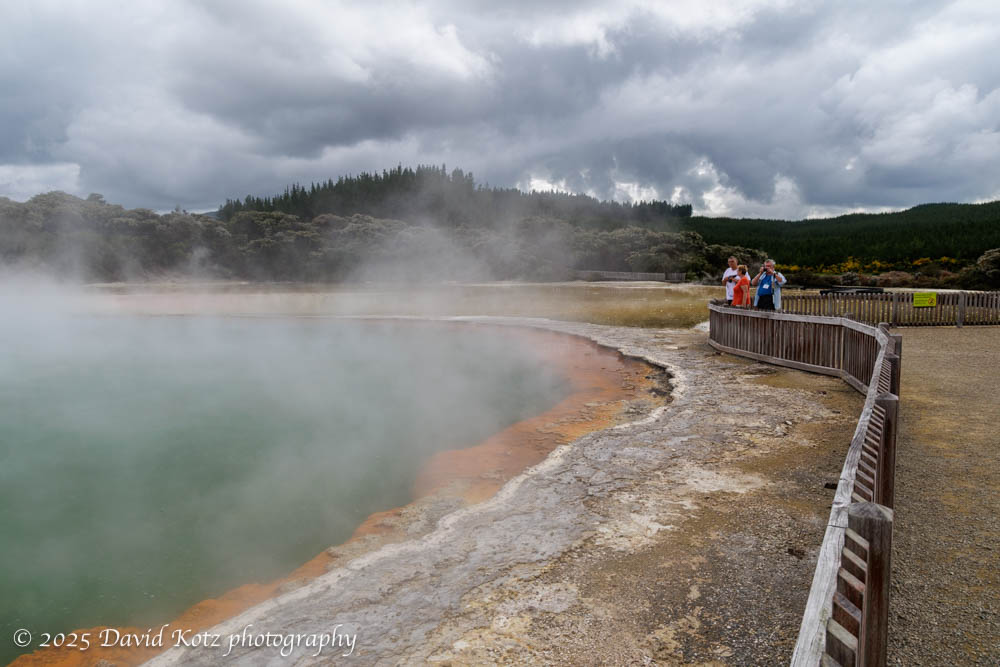
Craters, mud pools, champagne pools, and sinter terraces.
After a full day at sea we docked on the eastern shore of the north island so we could visit the inland area known as Rotorua, which sits squarely on the Taupō volcanic zone and is thus rich with geothermal activity. We spent the morning exploring the many fascinating features of the Waiotapu thermal park – deep craters, bubbling pools of mud, and the colorful landscape made as mineral-rich waters evaporated or nurtured underwater fungal life.
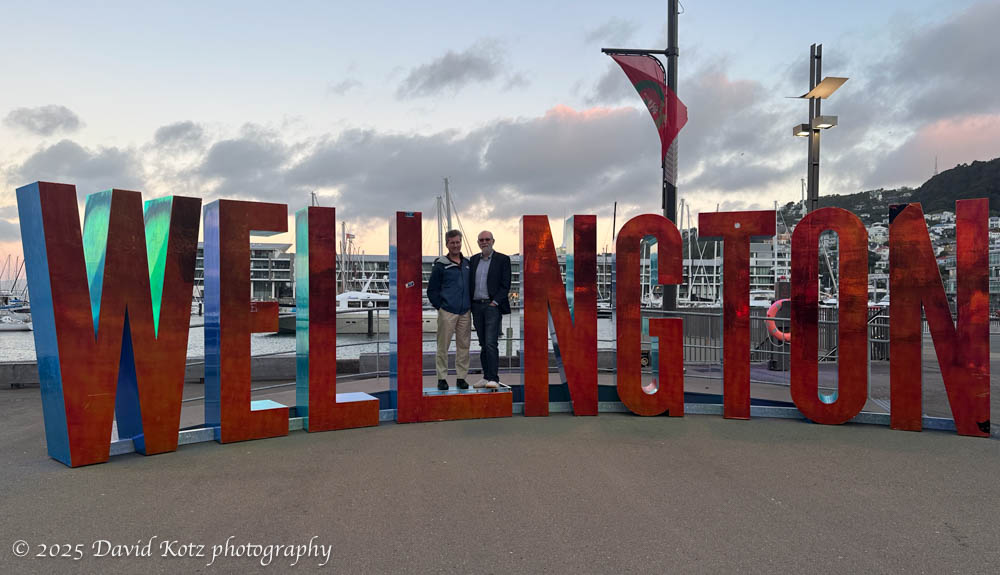
A brief stop in Wellington gave me the opportunity to visit an old friend.
When we departed Ship Cove, we left behind the south island of New Zealand and made our way across the Cook Strait to reach the city of Wellington at the southern tip of the north island. As the capital city, it is a bustling place and quite the contrast to the more laid-back towns of Dunedin and Christchurch, which we’d visited just two and three days prior. For me, there were two highlights to our evening-and-a-day in Wellington: dinner with an old friend, and a tour of New Zealand’s national museum, Te Papa.
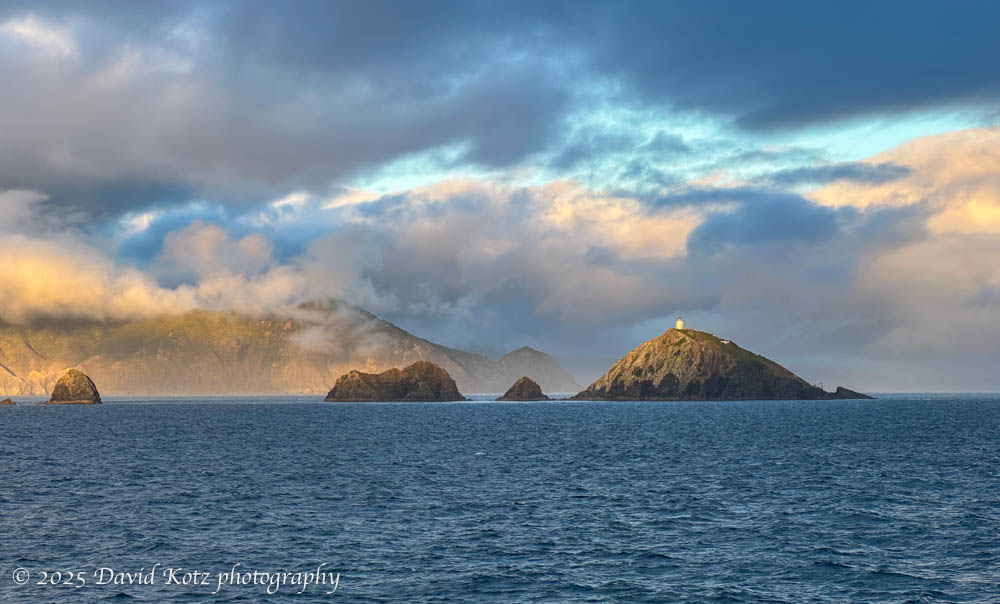
A daylong visit to the strait between south and north New Zealand, steeped in history.
We woke to a beautiful morning as we sailed into Cook Strait, the passage between south and north New Zealand. The Heritage Adventurer nestled into the archipelago on the northern tip of New Zealand’s South Island, a region known as Marlborough Sound. This anchorage gave us an opportunity to spend the day visiting the tiny island of Motuara Island – now a pest-free nature sanctuary – and the nearby Meretoto / Ship Cove, best known as the location where Captain Cook had encamped during his three circumnavigations of the globe. This visit gave us an opportunity to delve deeper into the historic encounters between Europeans and the Māori, and to enjoy the birds, a waterfall, and the beautiful landscape.
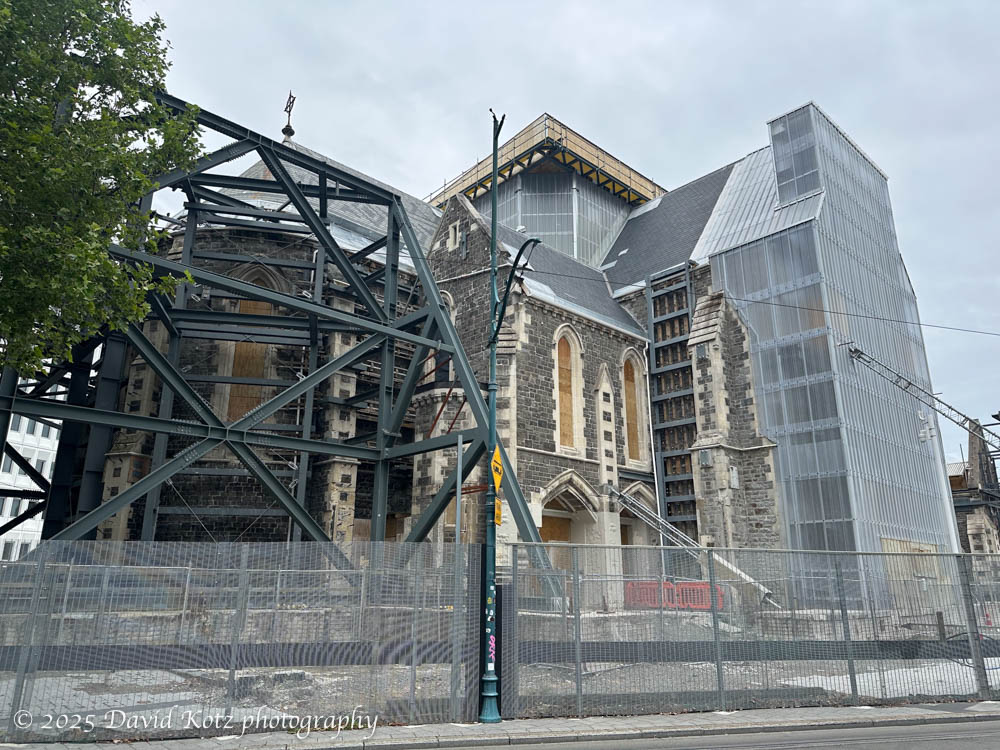
I recall nothing from our prior visit to Christchurch in June 2009, perhaps because we spent little (if any) time in the city itself and instead chose to drive around the pretty Akaroa peninsula to the southeast. So, on this visit, I was pleased to have some time to visit some of the sights in central Christchurch.
Highlights include Royal Albatross, Little Blue Penguins, and fur seals.
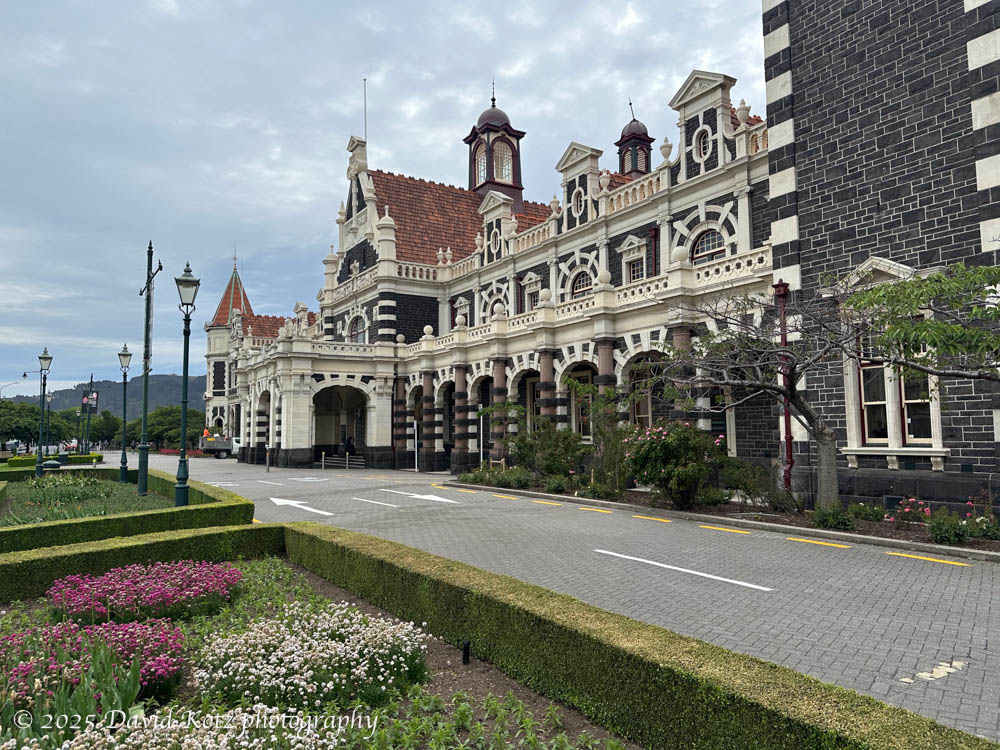
We spent the better part of a day in Dunedin, on the southeastern coast of New Zealand. To reach Dunedin, which is at the head of a long, narrow harbor, we sailed along the Otago Peninsula, which turned out to be where we spent much of our time on-shore today. After a brief visit to the historic train station in downtown Dunedin, next to the harbor, we rode coaches all the way back to the seaward tip of the Otago Peninsula… where we had the opportunity to visit two wildlife sanctuaries.
A walk across pest-free Te Wharawhara Ulva island, then through the village of Oban on Rakiura Stewart Island.
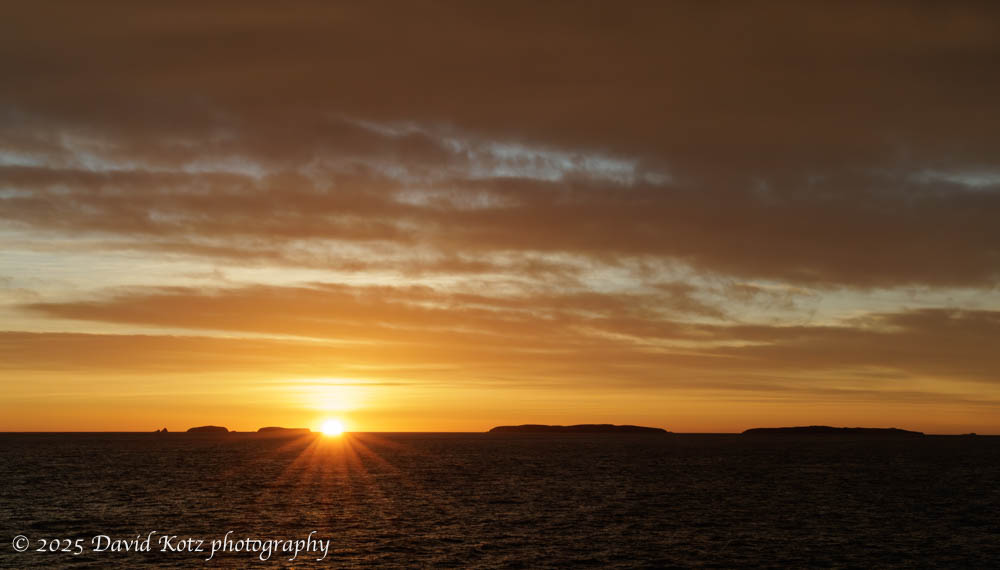
As the Heritage Adventurer cruised around the southern tip of New Zealand, leaving the fjords of the southwest behind, we eased into the strait at the southern tip of the mainland (aka, south New Zealand) under a spectacular sunrise. Our goal for the day was to explore two of its offshore islands.

 David Kotz