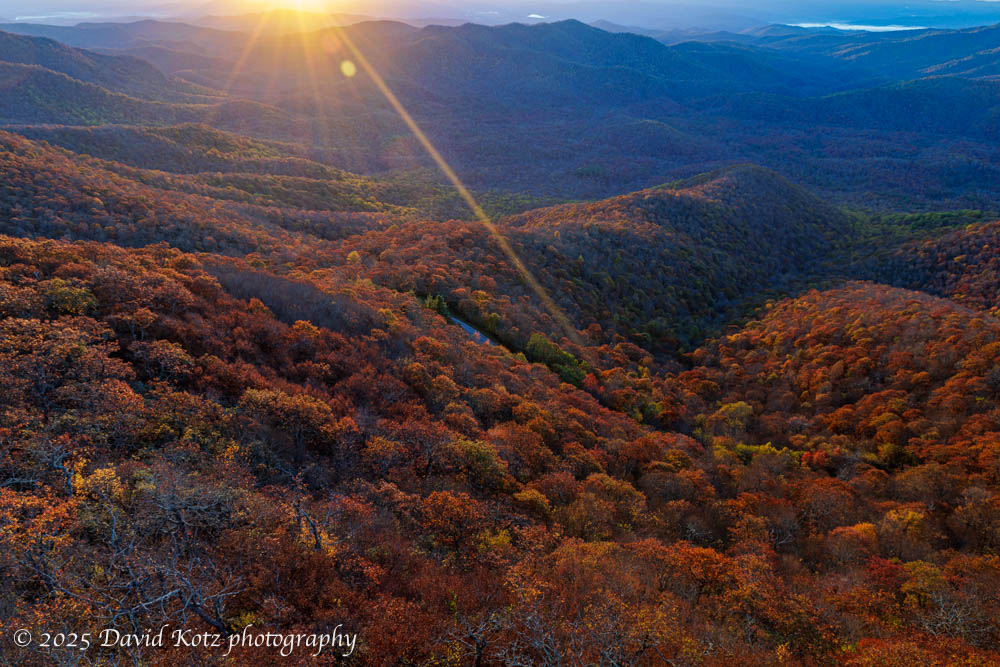
Wow, 2025 was quite the year. With a dozen or more hikes in New Hampshire, and travels to Australia, England, Greenland, Iceland, New Zealand, Colorado, New Hampshire, North Carolina, and South Carolina, I had many opportunities for photography. Check out some of my favorite photos!
The second installment in a two-part post of July/August wildlife videos.
Over the past two years, most of my wildlife videos have been captured by cameras placed on a hill near my home. In this post – my final post of wildlife-camera video until next year – I have some pretty neat stuff to share. Lots of bobcats and black bears! Read on to watch both videos.
The first of two installments of video from my wildlife cameras.
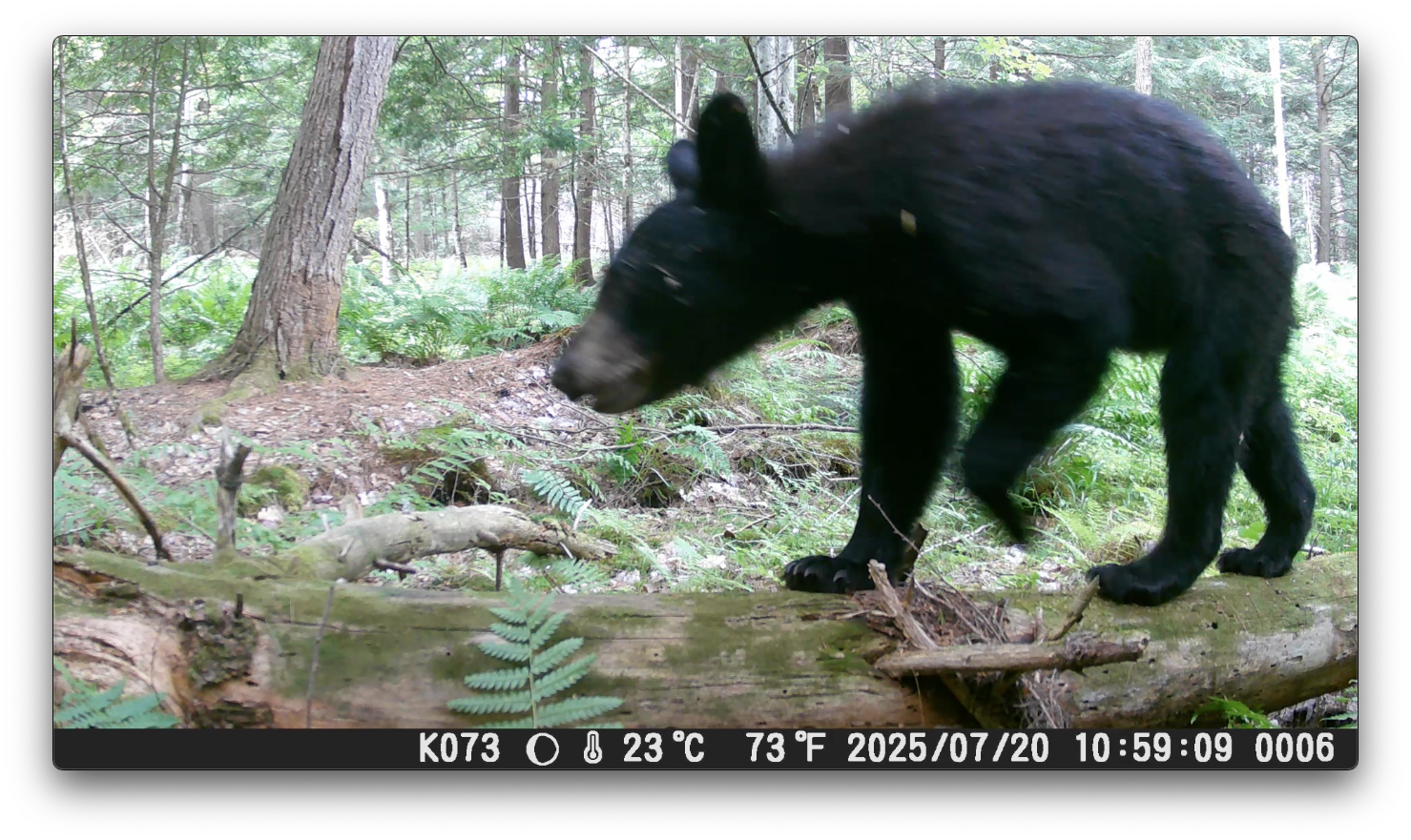
It felt like we had a slow start to summer here in Lyme, but my wildlife cameras nonetheless captured bears, bobcats, and more. In this post, I’ll share two videos spanning July 1 through August 5.
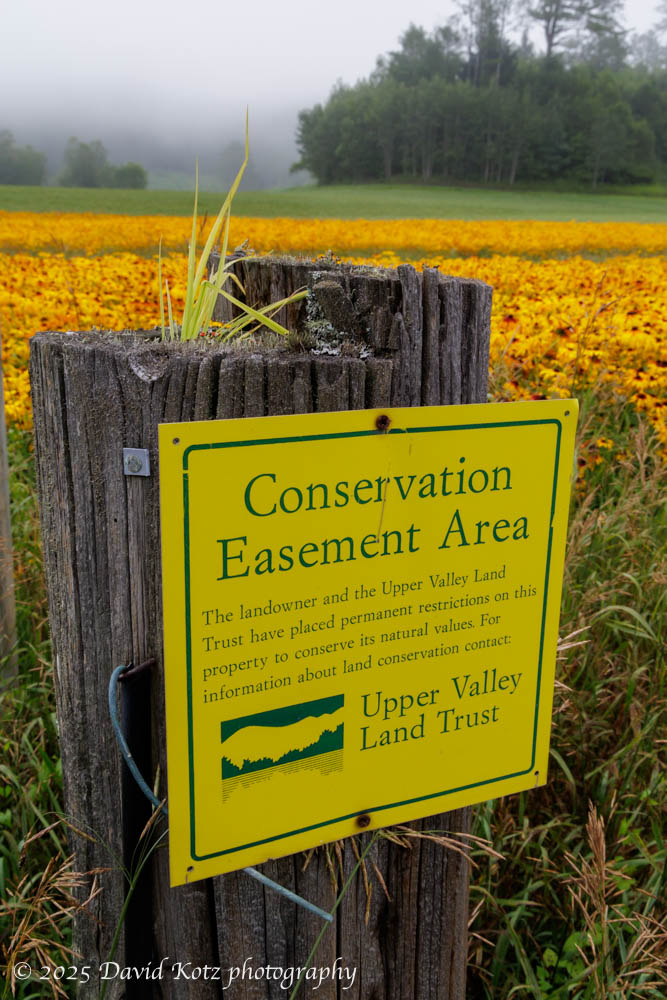
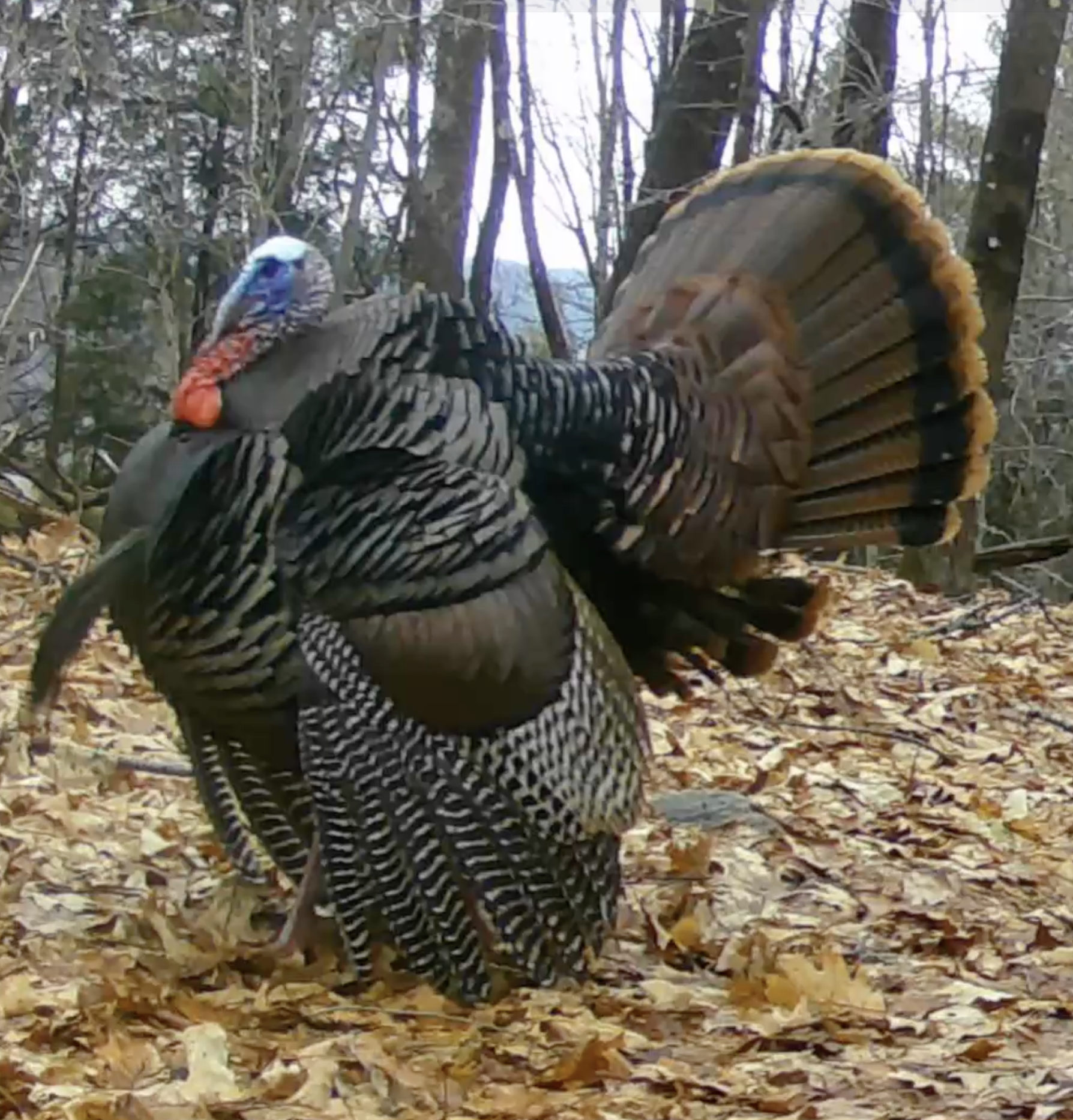
Not far down the road from my home is a luscious meadow, a former farm pasture that the owner has preserved via a conservation easement to the Upper Valley Land Trust. This meadow is popular with local deer, turkeys, and other wildlife. In recent years, the conservators have planted the roadside with wildflowers, allowing me a brilliant commute on summer mornings. Last year, I shared photos of the multicolor feast of wildflowers. This year, the field is carpeted with the yellow and orange tones of Black-Eyed Susan flowers. Today, a mildly foggy morning provide just the right atmosphere for photographs. Click through the gallery!
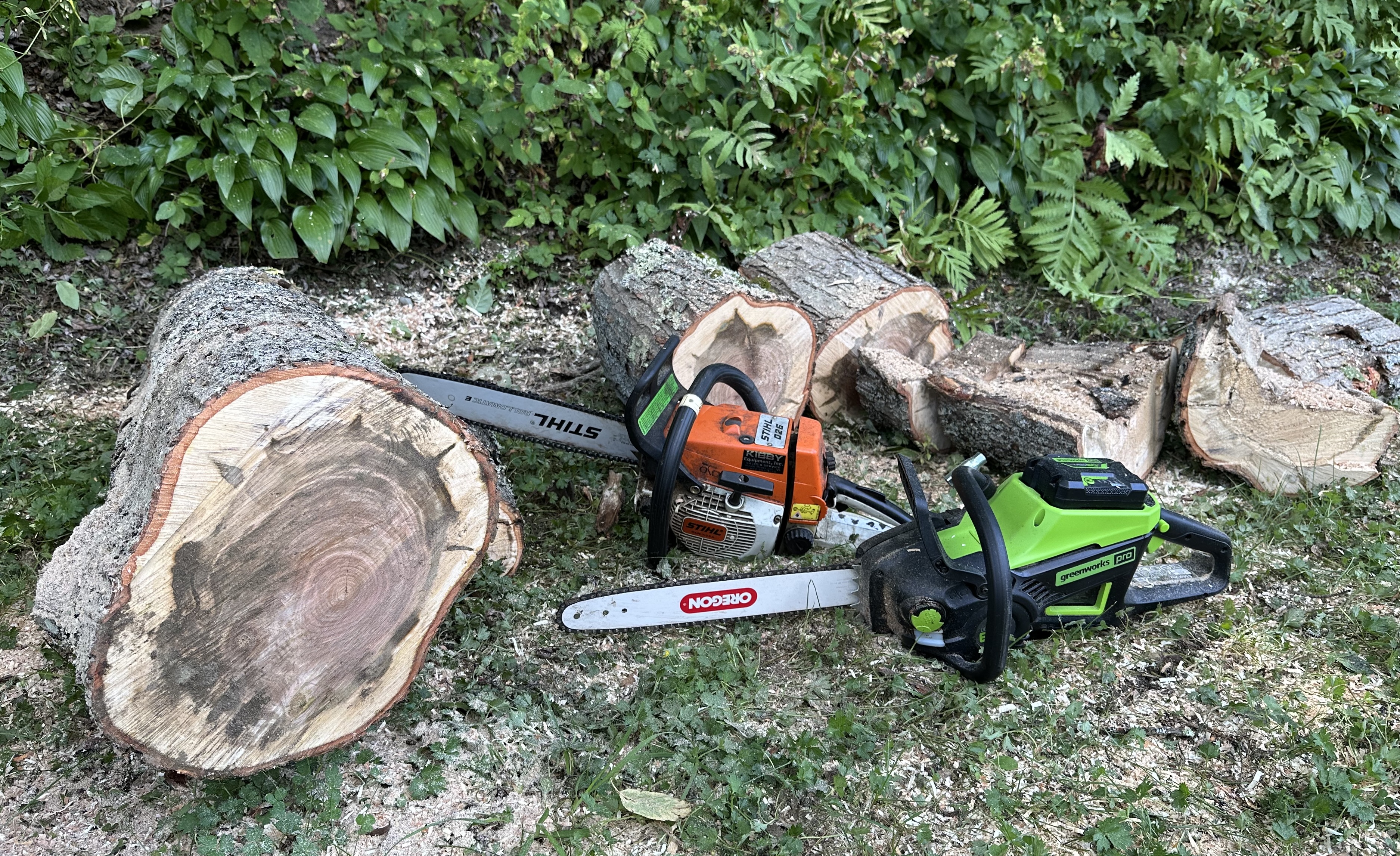
Earlier this year, a large branch snapped off one of our silver maple trees. We sawed, split, and stacked it – firewood for a future winter! Yesterday, I climbed a ladder and sawed off the rest of the branch, which was 10-15′ long. It took an hour or more just to saw it into stove lengths, in part because this branch – just a branch, mind you – was thicker than our chainsaw bar. At one point I decided my Greenworks Pro electric saw (which is awesome, by the way) was just not cutting it. (Sorry, bad pun.) So I pulled out my trusty Stihl 026, our only remaining gas-powered tool. It is more than thirty years old, but still going strong!
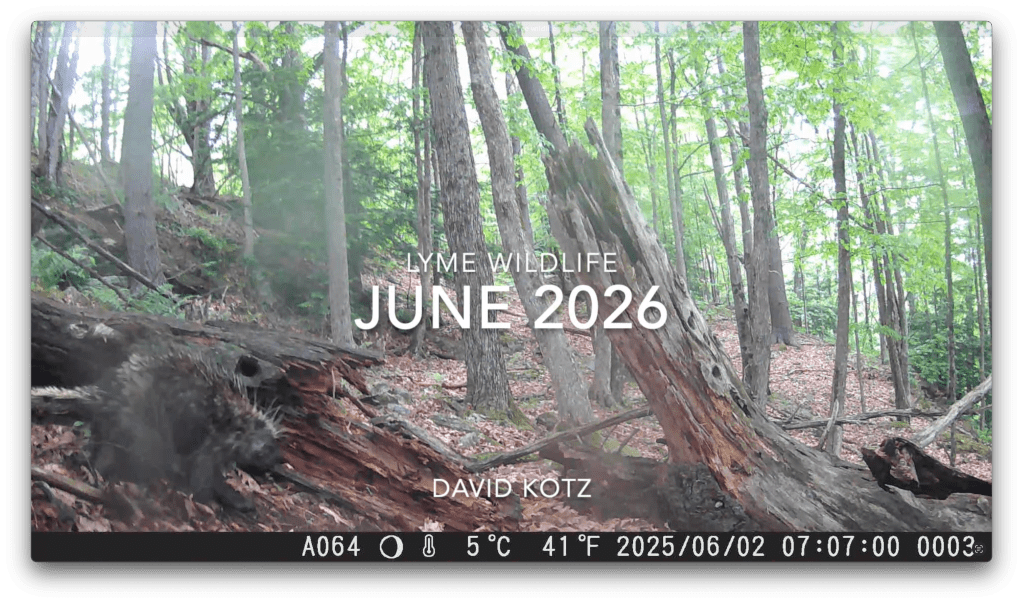
The month of June brings the onset of summer – and the emergence of wildlife babies. In this month’s episode of clips from my wildlife cameras, you’ll see young’uns from two or three species, and some really interesting behavior from a raccoon, deer, porcupine, barred owl, and black bear. Sit back, relax, and enjoy!
The month of May was surprisingly quiet, as if the animals of Lyme were on the move – not settled in any given location, not often reappearing in the video captures from my wildlife cameras posted in two forests and my own backyard. Some locations that had previously provided multiple daily videos of a busy porcupine couple, for example, became dormant, causing me to explore new locations that may be more lively. One of those turned out to be exceptionally lively, attacked by a bear within days of its deployment! Read on…
When you really pay attention, you notice the small beauties of the forest.
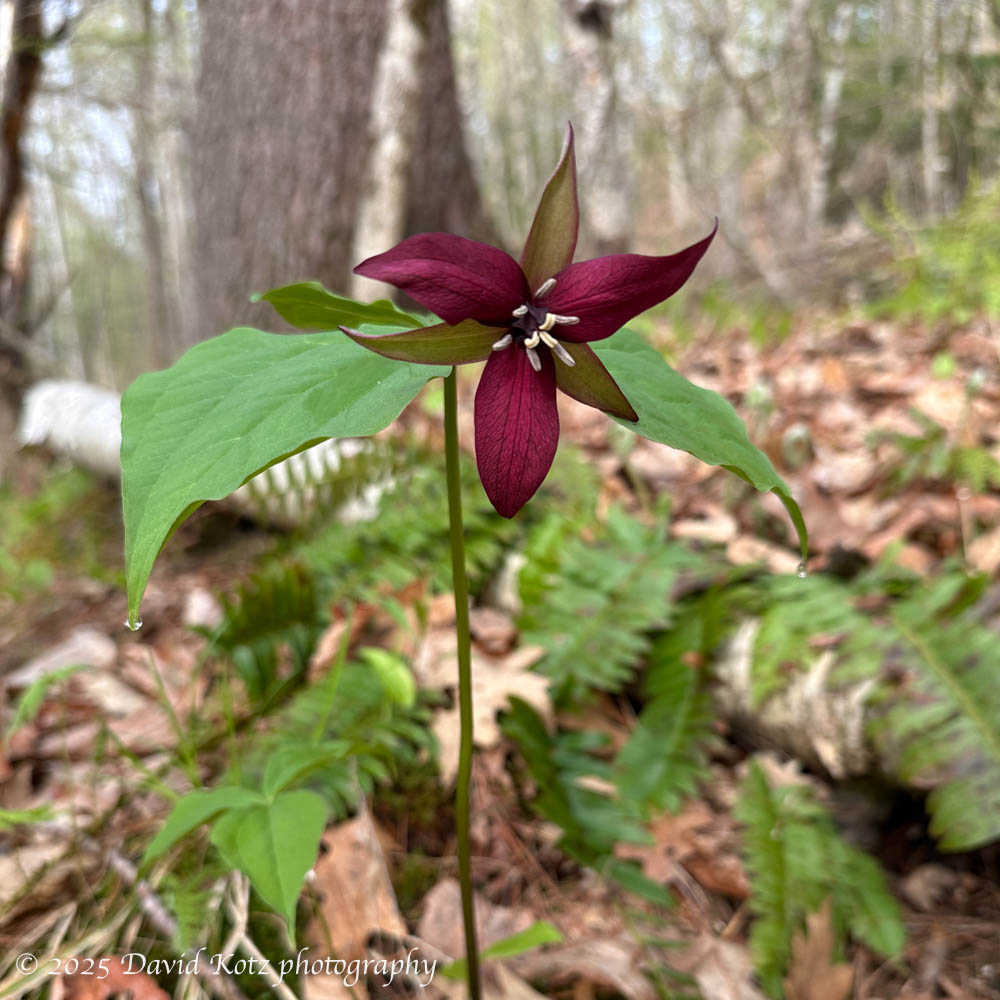
I try to get out at least once a week into the forests of Lyme, NH, where I live. Regular readers see my videos from wildlife cameras placed at undisclosed locations in the woods. Although I enjoy witnessing the secret life of Lyme wildlife, and sharing it with you all, I mostly enjoy the opportunity to wander, off trail, with no particular destination in mind. The month of May adds the opportunity to enjoy small wonders along the way.
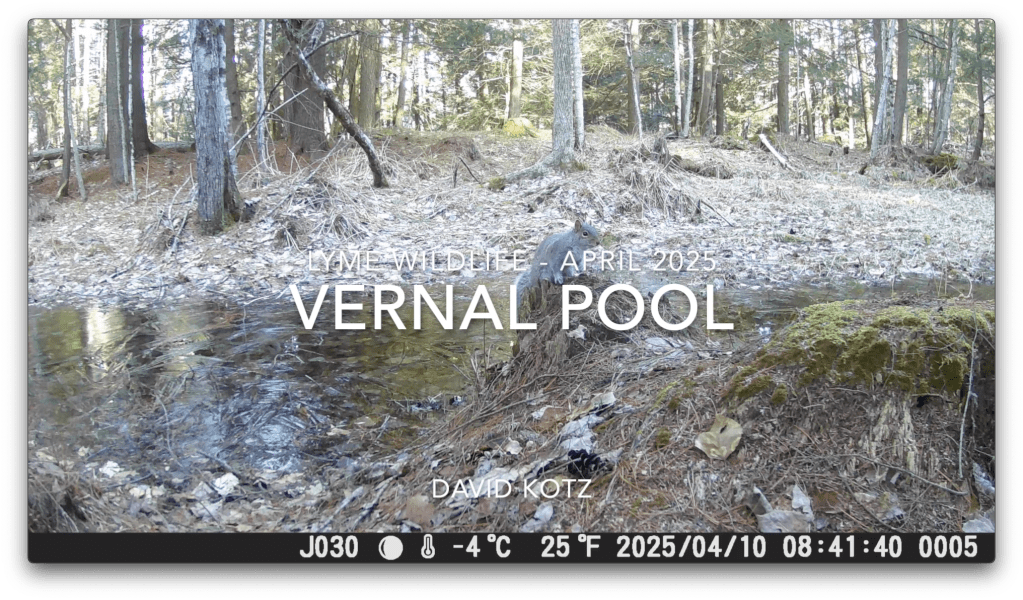
In the Lyme forest, my usual tromping grounds include a couple of vernal pools. These small, shallow depressions fill with water in the spring – initially, from melting snow that cannot yet seep into the still-frozen earth below, and later from early spring rains. They teem with life, and are a particularly important breeding ground for amphibians. They also attract wildlife of all types, to hunt or to drink. I saved aside the clips from my two cameras beside one vernal pool – not included in my April videos shared two weeks ago – because the activity around this pool is so fascinating. It also provides my first ever view of predation in action, in almost two years of work with wildlife cameras.
I have followed the same route for years, climbing steeply up the hillside following a skidder trail left behind from a logging operation more than twenty years ago. It slants upward, moderating its steepness and thereby reducing the potential for erosion, then hooks sharply right as it reaches the ridge and settles out at the high point. Although this hilltop is fully forested, and only a few hundred feet in elevation, I affectionately refer to it as the ‘summit’, the high point of my home turf. It was the first location I chose for a wildlife camera, and it has never failed to capture interesting action.

 David Kotz