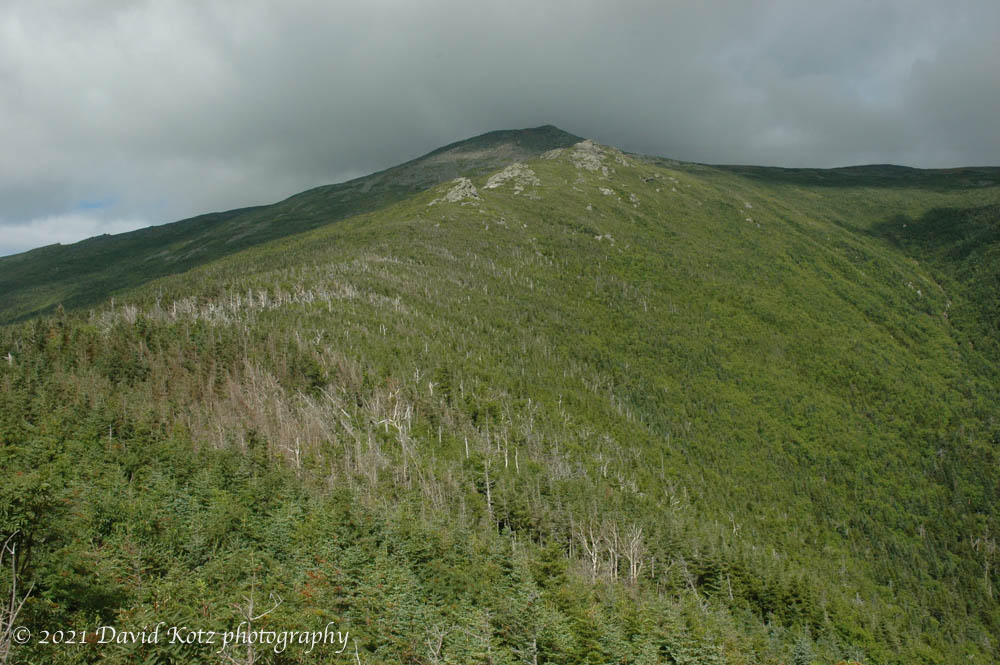
The Second College Grant is 27,000 acres of wilderness at the very northern tip of New Hampshire.
John and I spent a long weekend in Dartmouth’s Second College Grant, staying at Peaks Cabin, after three glorious days of summer-like weather with late-fall colors. The afternoon temperatures were nearing 80. With bright sunshine and blue skies the hills were ablaze with color, a bit past peak but the yellows and oranges were nonetheless brilliant. I have not been to the Grant, other than mid-winter, in over 15 years; what a treat! Read on…
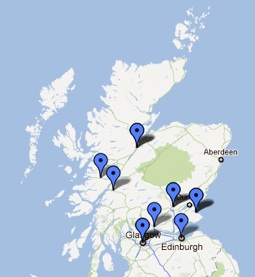
Although we only had a week, we had a great time and we saw an incredible amount. We started with two nights in Edinburgh, where we stayed with my oldest friend – that is, my first ever friend, who was born just four days after me. Then we drove northwest through highlands to the lochs and bays of the western coast, with two nights around Glen Coe. Then northeast along Loch Ness to Inverness, and down through Cairngorm national park to Scone and then St Andrews, where we spent two nights. Off to Glasgow for a night. Then an early-morning flight out of Edinburgh allowed us to have lunch in Paris before returning home. Whew! Read on.
I have been fortunate to be able to get out hiking and canoeing.
Summer is a grand time in New Hampshire. The days are long, the forests lush, and the rivers calm. The weather recently has been fantastic, mostly warm and sunny but not too hot. I’ve been able to get outside a few times, with my camera:
A four-mile round-trip hike along the Long Trail [photos]
A two-day paddle along the Connecticut River [photos]
A five-mile pre-breakfast loop through (and over) Dixville Notch [photos]
A five-mile round-trip up Mount Jefferson [photos]
I hope to get out more, sometime soon!
The Ridge of the Caps starts at 3000′ elevation.
This post was transferred from MobileMe to WordPress in 2021, with an effort to retain the content as close to the original as possible; I recognize that some comments may now seem dated or some links may now be broken.
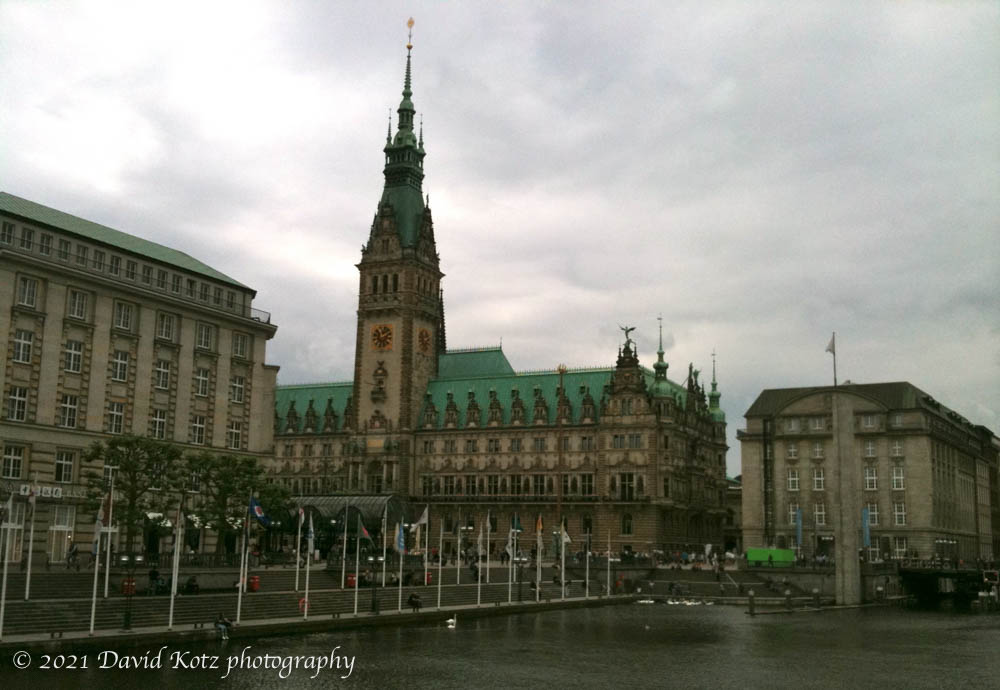
Hamburg is a beautiful city, full of trees and parks, crisscrossed by canals, a river, a lake, and the third-busiest harbor in the world.
I had to present a paper at the ACM WiSec conference. Because of constraints back home I could only stay at the conference long enough to present my own talk, but I arrived in Hamburg at noon the day before and spent an enjoyable five or six hours strolling around the city. Read on!
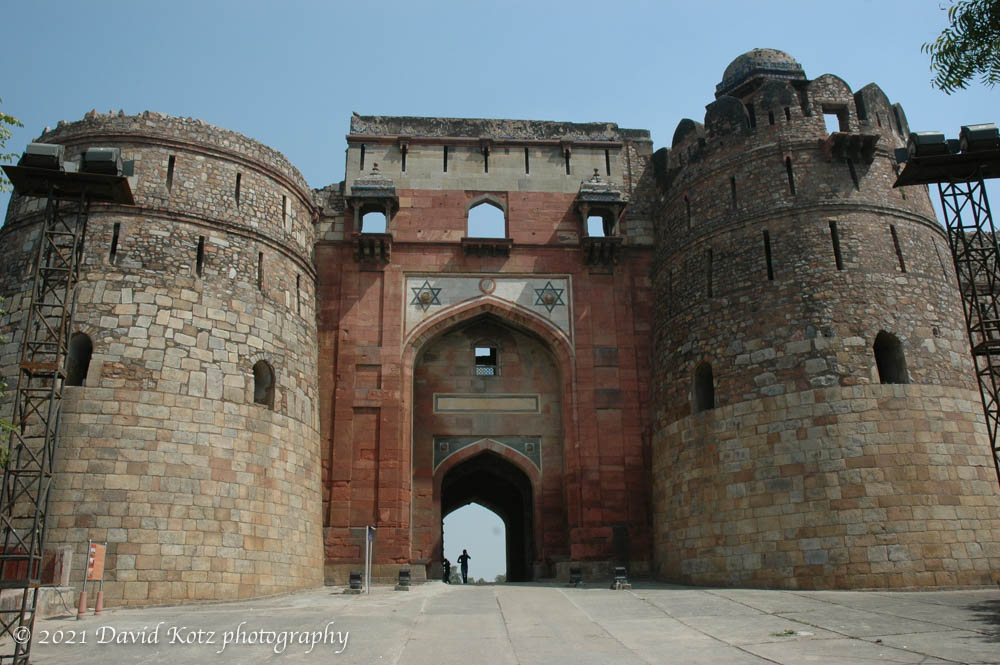
A few sights that I had missed on previous visits to Delhi.
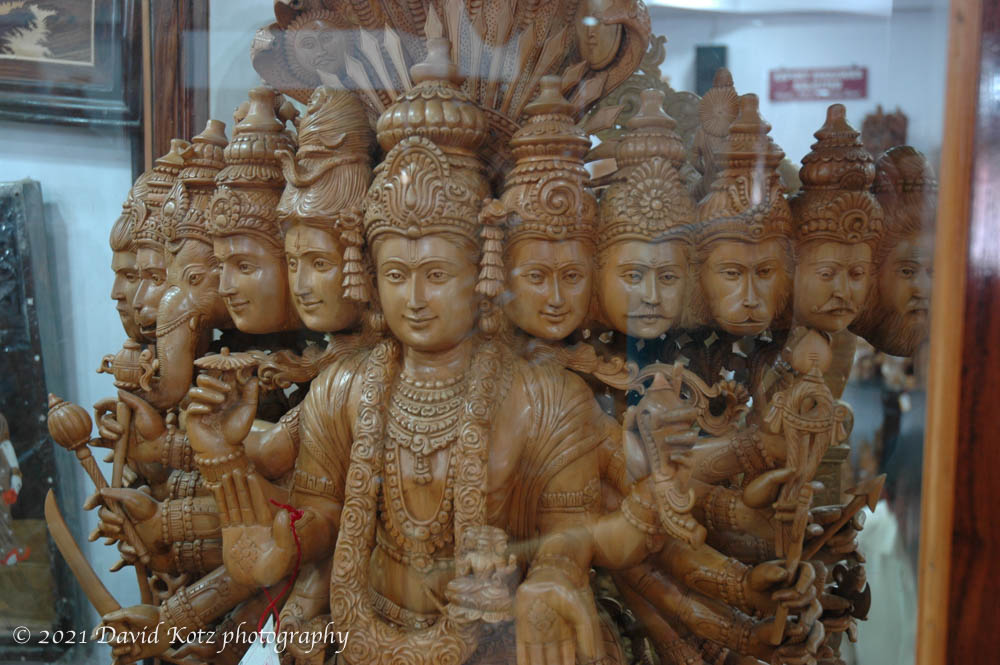
I had an extra day in Delhi so I decided to see two of the many sights that I had missed on previous visits: Purana Qila and the National Museum. Read on!
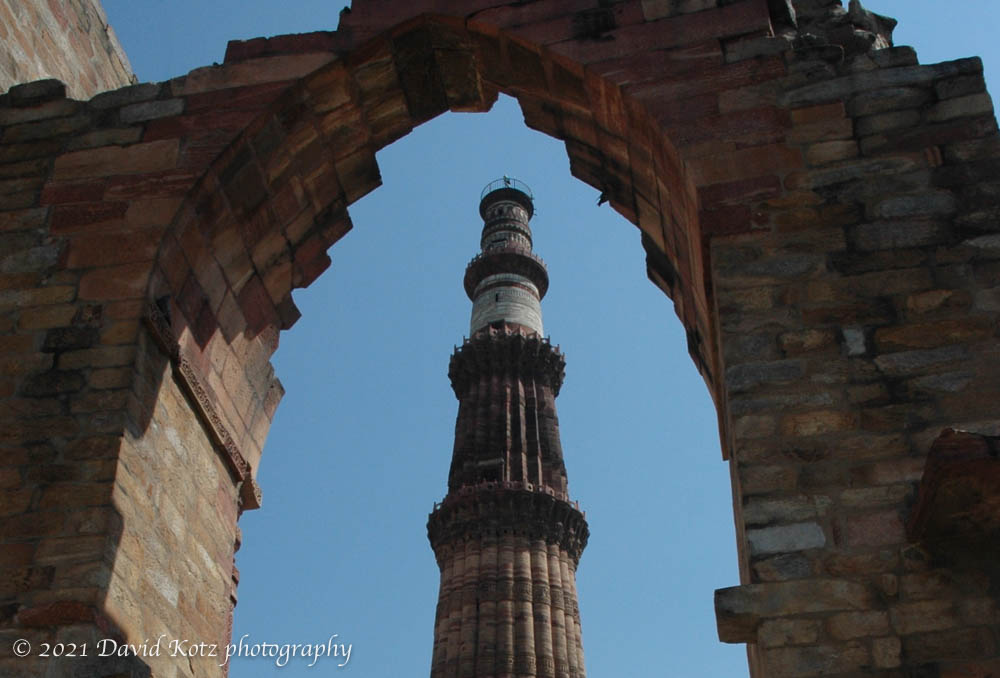
Finally, a visit when I can actually see the historic tower.
On my first visit to Delhi, in December 2008, I was disappointed by our visit to this monumental piece of history. It was, as so often happens on December mornings, densely foggy. We could barely see higher than our own heads, and thus the towering minaret of Qutb Minar, 73m in height, was virtually invisible. Today I finally got to see it! read on…
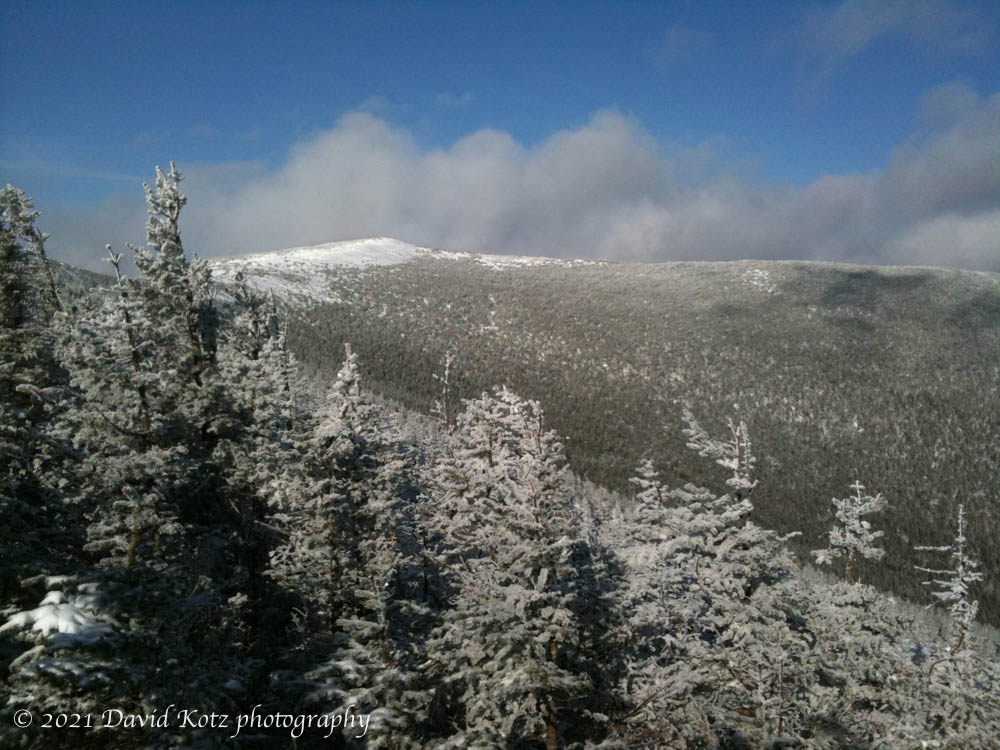
A glorious winter day, right after a big snowstorm.
My friends Kathy and David and I decided to head up Mount Moosilauke, after Friday’s big snowstorm. There was about 6” of new snow on top of several feet of solid base, which made for fantastic conditions. With a group of 4 snowshoers breaking trail a couple of hours ahead of us, we cruised up the Glencliff trail. Read on…
The Olympic Peninsula of Washington state is a magical place.
I was in Seattle for a workshop and decided to stay for the weekend so I could go out to the Olympic Peninsula and visit my advisor, Carla Ellis, for the weekend. What fun it was to see her and her new retirement home. It was a gray and even drizzly weekend, but I had fun taking some photos from a state park where we went for a stroll.
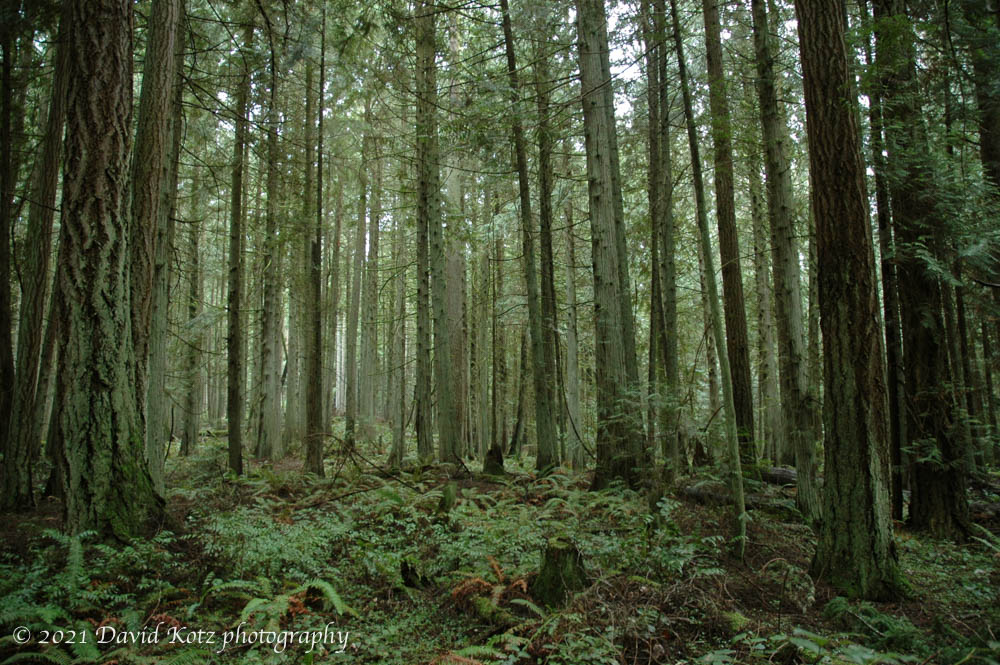
Olympic peninsula – even the trees are covered in green growth.
The Olympic Peninsula of Washington state is a magical place, which in its low slopes is much like a rainforest. Here, near Port Townsend, is a fantastically moss-green forest, quite a sensory experience coming from snowy NH. Above is a shot of the eery, mossy woods in the park. The peninsula gets a lot of rain and fog, so the woods are green year ‘round.
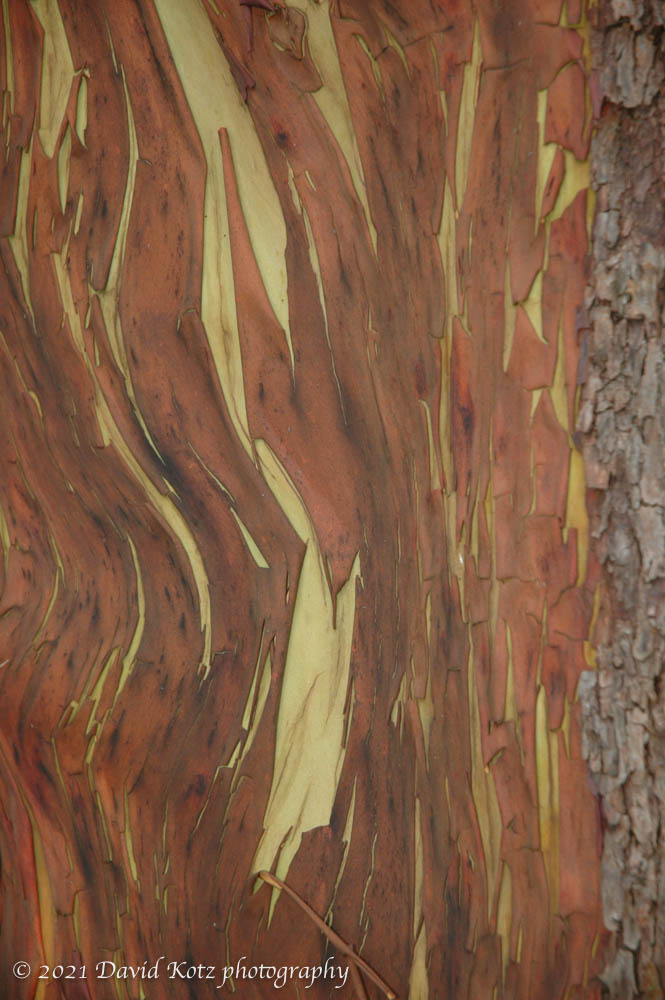
At right is a close-up of the bark of a madrona tree, which sheds its bark annually.
This post was transferred from MobileMe to WordPress in 2021, with an effort to retain the content as close to the original as possible; I recognize that some comments may now seem dated or some links may now be broken.
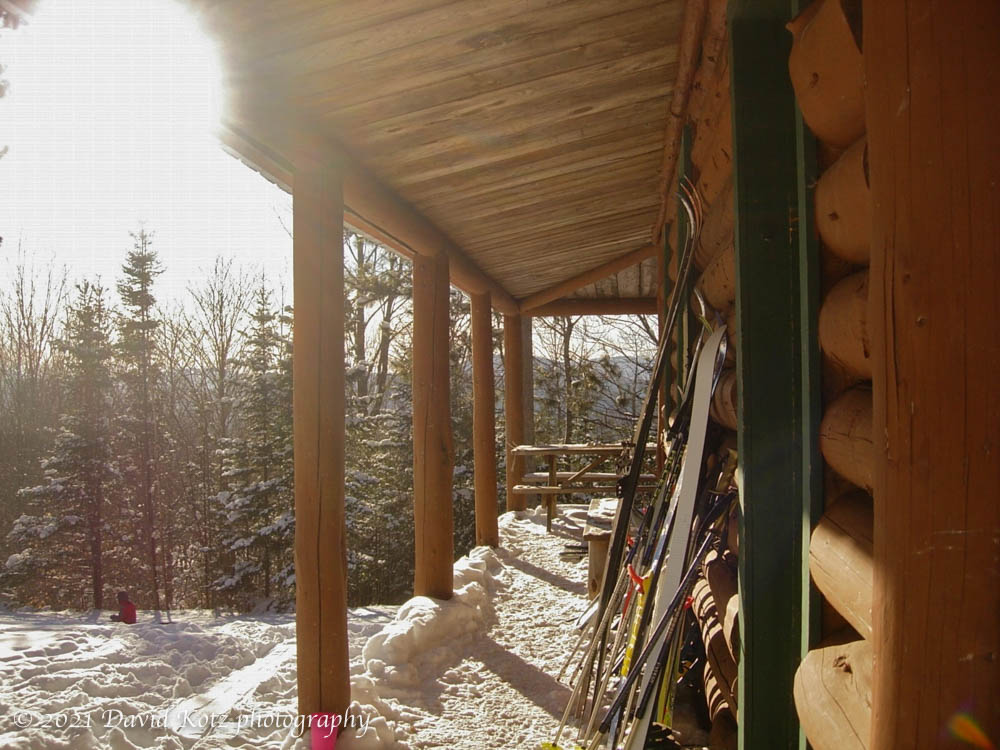
Great Bear cabin is one of the DOC cabins on Mount Moosilauke.
We spent two nights of our four-day MLK weekend on the snowy slopes of Moosilauke, visiting Great Bear cabin with our friends. Great Bear cabin is a log cabin built and maintained by the Dartmouth Outing Club, and it is one of my favorite winter cabins because of its snug design and its close accessibility. It is located on the southwestern slopes of Mount Moosilauke, my favorite mountain in the world, and this weekend it was surrounded by many feet of fresh powdery snow.
Great Bear ski weekend.
We had two nights and a nice long day in between. On that day, it was sunny and reasonably warm, so we set out for a daytrip skiing up some old logging roads. To get there we had a tricky bushwhack through the woods, and to break trail up the logging road. The sunshine and powdery snow made for a really pleasant ski. Unfortunately, some of the kids were pretty tired, and Andy was under the weather, so we turned around well short of our goal of reaching Mud Pond.
Andy got sick when he returned to the cabin, but I have to give him huge credit for doing all that skiing despite being dizzy and nauseous throughout!
We had a fine time in the cabin, stoking the woodstove, playing cards, and doing lots of cooking. It’s always a lot of fun and very relaxing to spend time at DOC cabins with friends.
This post was transferred from MobileMe to WordPress in 2021, with an effort to retain the content as close to the original as possible; I recognize that some comments may now seem dated or some links may now be broken.
I was fortunate to be able to visit Bangalore once again, to attend the COMSNETS conference.
It is so nice to be back in India, in Bangalore. I came so I could attend COMSNETS, a computer networking conference, at which I had organized the NetHealth workshop. Those were great, as was an afternoon spent visiting Microsoft Research. What was best, though, was a chance to visit some of my favorite places, including MG Road, Cauvery, Infinitea, Sampige Road, the IISc campus, and friends in our old IISc neighborhood. Read on…


 David Kotz