
Flashback to our visit to Paris in January: As I emerged from the boulangerie into dim, pre-dawn light, it began to snow lightly. I reached behind my back, where my hand slid instinctively into the side pocket of my camera’s sling bag, reaching for my trusty Dartmouth cap. This faded cap, which has been blessed by an elephant in India, which had beaten back the sun from Japan to Cyprus to New Zealand, which the wind once tossed into a puddle of penguin poop in the Antarctic, was just what I needed as I headed for the Bois de Vincennes for a sunrise hike. No luck. My cap was missing!

I quickly realized that it must have fallen out of my camera bag while I rode the Metro across Paris, where I emerged at the edge of this park to find the warm light of the boulangerie beckoning me inside. Surely my cap was long gone, destined to circle the tracks under Paris for hours until some custodian or passenger noticed it.

As I walked, and as the flurries faded and the sun emerged, it occurred to me that the cap may have fallen out as I passed through the entrance gates at the origin station, or through the exit gates at the destination station. That there surely must be a system for reporting lost & found items. That I would gladly pay postage to anyone who found my hat and was willing to ship it back to me. So, as the kilometers ticked by on my circuitous route around the Bois de Vincennes, I dredged up my knowledge of French – also acquired at Dartmouth, though faded far more than my cap – to formulate a sentence I could use when I returned to the station and located the station office. J’ai perdu mon chapeau – I have lost my hat.

It worked. In the destination station, I found a bored attendant sitting behind a glass screen, scrolling through her phone. No, she had not seen my hat. She understood my poorly-accented French, pulled out an iPad, and started filling out the lost-item form. Fortunately, I had prepared for this moment, and used my phone to retrieve a photo of my cap (pictured at top of this post), so she was able to fill the form without me having to describe it verbally.

She spoke to me, quickly and briefly. I did not understand. She pulled our her phone, opened Google Translate, and typed. She held the phone up for me to see: if anyone finds the cap, you will receive an email. (In viewing the French side of the translation, I also learned the correct word was casquette (cap) rather than chapeau (hat); good to know.)

I repeated the process when I reached the origin station. I found no hat gathering dust in a corner of the station, and the attendant had not seen it. She offered to fill out the lost-item form. I declined, and left, deflated.

In the days that followed, I received automated email messages from France Objets Trouvés. After three days: Malgré nos recherches, nous avons le regret de vous informer que le bien que vous avez déclaré perdu le samedi 3 janvier 2026 n’a pas été retrouvé sur le réseau RATP. I didn’t need Google Translate to realize this was bad news: “Despite our searches, we regret to inform you that the item you reported lost on Saturday, January 3, 2026, has not been found on the RATP network.” No word since.

Below are more photos from some of its destinations; I’ve put the full collection in the gallery.





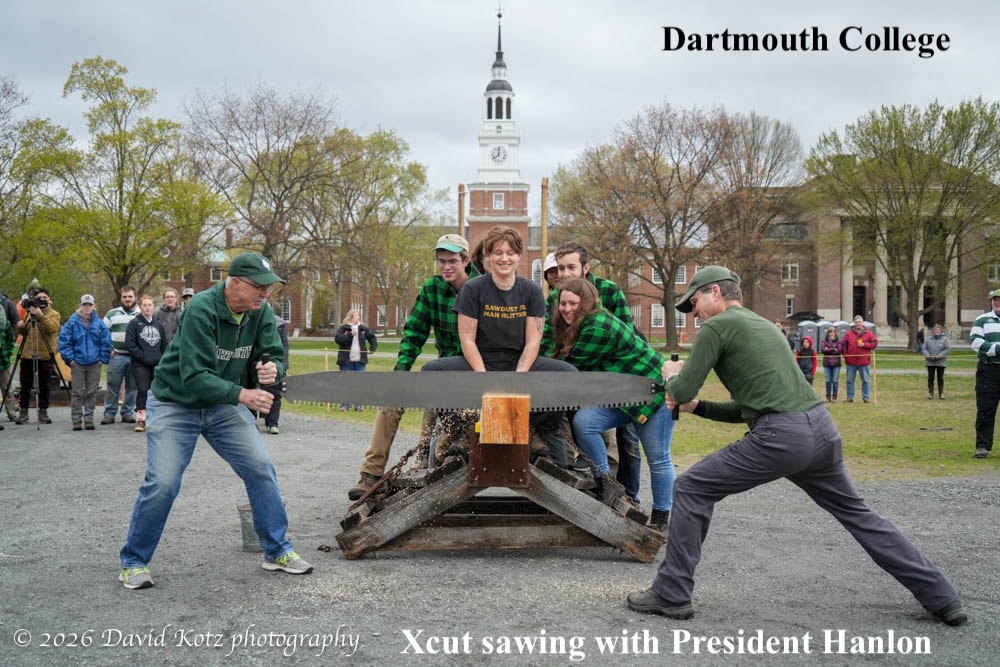
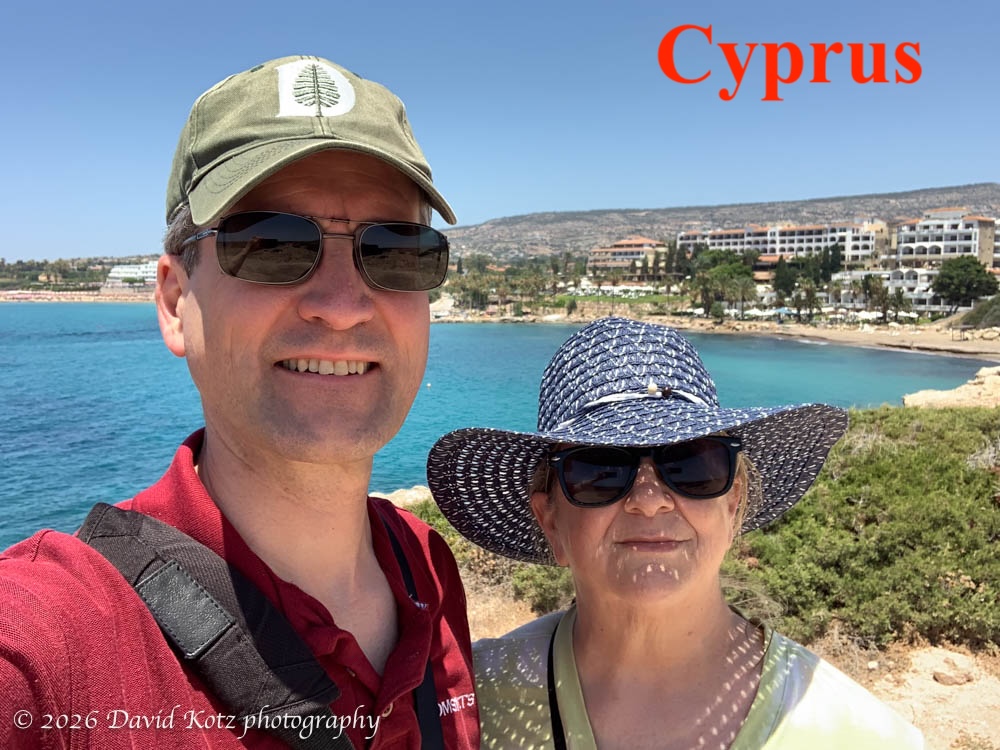




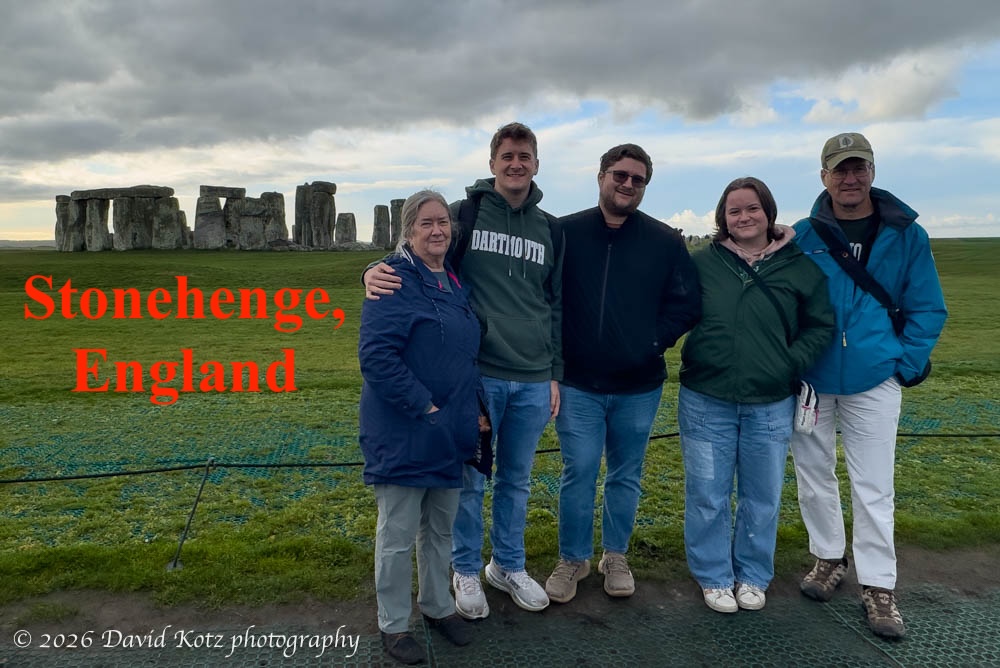
It may seem silly, but I miss this cap. I’ve worn it to the far corners of the globe. I’ve kept it safe against winds and waves. I’ve feared it lost, several times, and found it again. This time, though, it is gone. I hope it has found a good home.

 David Kotz
Well dang it – sorry to hear! I’ve lost a couple of “traveling hats” (in my case, brown fedoras) over the years, and each has brought me a pang. I hope that, after a suitable mourning period, you find yourself with a new favorite traveling cap. (The word ‘casquette’ is new to me, and I have to confess that I’m now going to have a small part of my brain that, going forward, thinks of ball caps as “head caskets”)