Forty years in research

How time flies.

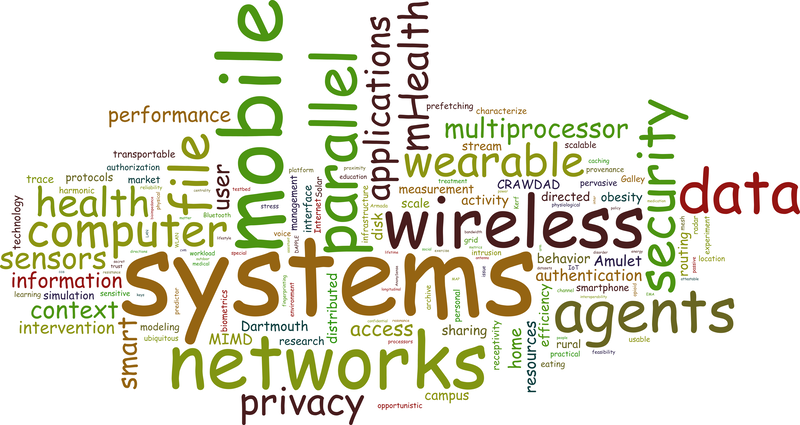
I realized this month that I have been involved in academic research for four decades. Indeed, I started getting involved in computer-science forty years ago today. At the time, I was a senior undergraduate computer-science major at Dartmouth College. On the first day of my final term (spring term) before graduation, I started a part-time job as a research assistant to Professor Donald Johnson. His expertise was wide-ranging, and as I recall my task was to write Mesa code for some database experiments using a brand-new lab stocked with Xerox desktop computers. I learned a lot that term!

By the end of that summer I was at Duke University for a PhD in Computer Science. I am especially grateful to my advisor, Professor Carla Ellis, for guiding me through the PhD and for imparting so many valuable lessons, tangible and intangible, that have allowed me a successful career.

When I returned to join the faculty at Dartmouth, five years later, I became a colleague of Don Johnson – my prior research mentor – and Scot Drysdale, the first computer scientist at Dartmouth and indeed the first professor I’d met as a freshman at Dartmouth in 1982. I deeply appreciate their advice and mentorship during my early years as a professor.

Thank you to the many students and colleagues who I’ve had the pleasure of working with over these past decades. We’ve done a lot of great research together!
CDHI

The Center for Digital Health Interventions.

As I wrap up my year-long sabbatical in Switzerland, during which I was a visitor at ETH Zürich, I am grateful to have been part of the innovative team at the Center for Digital Health Interventions (CDHI). Led by Profs. Elgar Fleisch and Tobias Kowatsch and jointly operated by ETH and the University of St. Gallen, the center is working on a range of important problems, interesting studies, and innovative technologies: passive health-sensing techniques in smartphones, smartwatches, and cars; stress detection; asthmatic cough detection and breathing-exercise games for asthmatics; machine learning to predict when a person might be receptive to health-intervention messages; chat bots to engage and encourage people involved in health interventions; systems to detect hypoglycemia in the driver of a car; passive interventions that can occur while driving; and more.

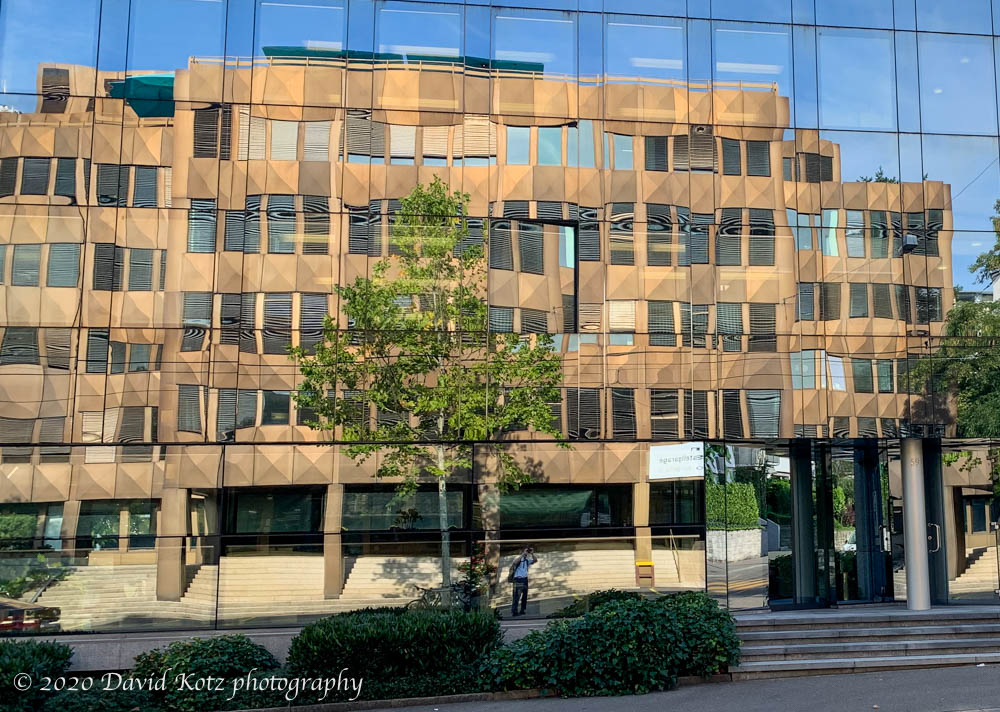
The CDHI offices (and me!) are reflected in the building across the street, August 2019.

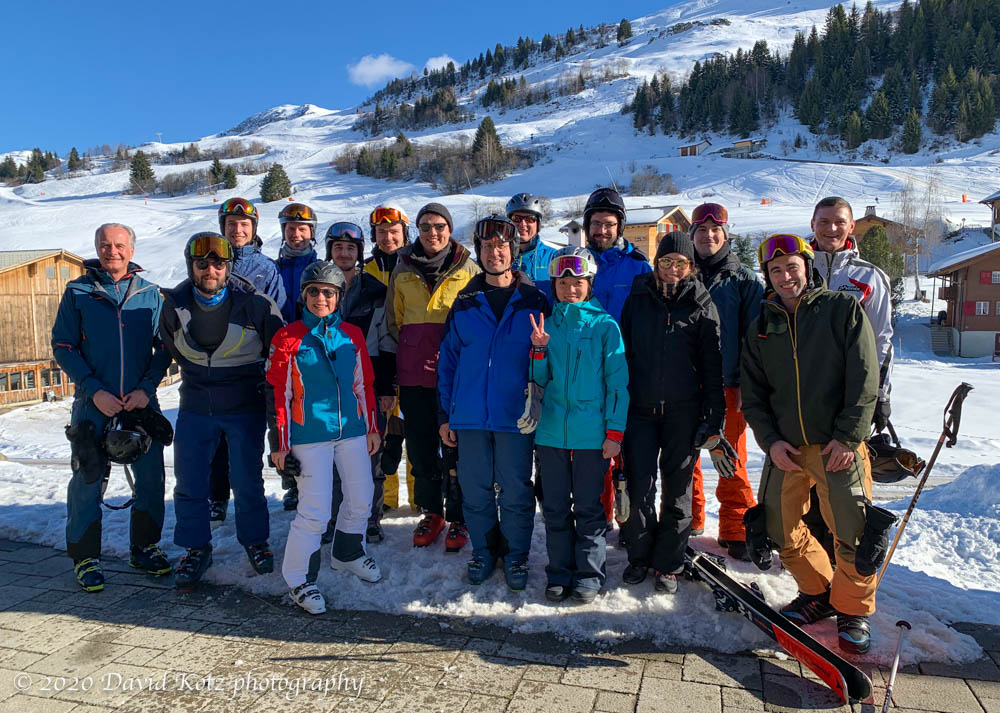
Although my visit has been scientifically productive and rewarding, it is really the people who have made the visit so delightful. The faculty welcomed me by encouraging and enabling me to be involved wherever I seemed interested; my officemates patiently answered all my questions about Zürich and Switzerland; the graduate students adopted me into their lunchtime group outings; and the staff assisted me with all the complex logistics of moving to, living in, and departing from Switzerland. Just a portion of the team is pictured below. I am proud to have been part of this group for the past year, and hope I can return again some day!

Group photo, ETH-St.Gallen lab ski day at Obersaxen, Switzerland.