Monkey bars

We share the IISc campus with a large troup of monkeys.

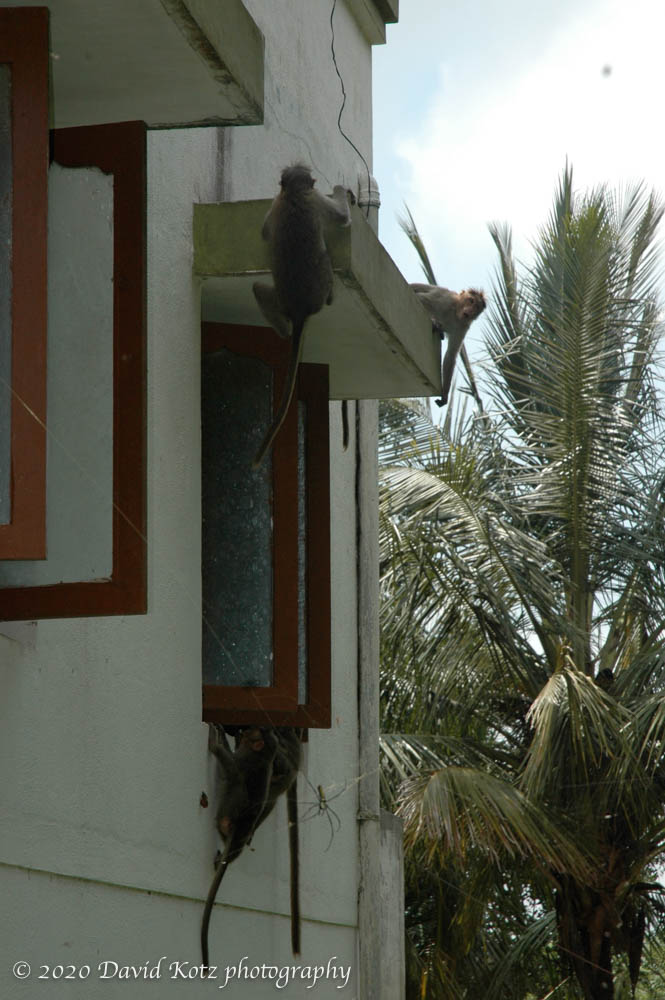
When we moved into our apartment on campus, I noticed that there were bars on all the windows, even though we live on the second floor.  Indeed, there are bars on all the windows of the academic buildings, too.  People warned me about theft, and I assumed the bars were to keep out thieves.
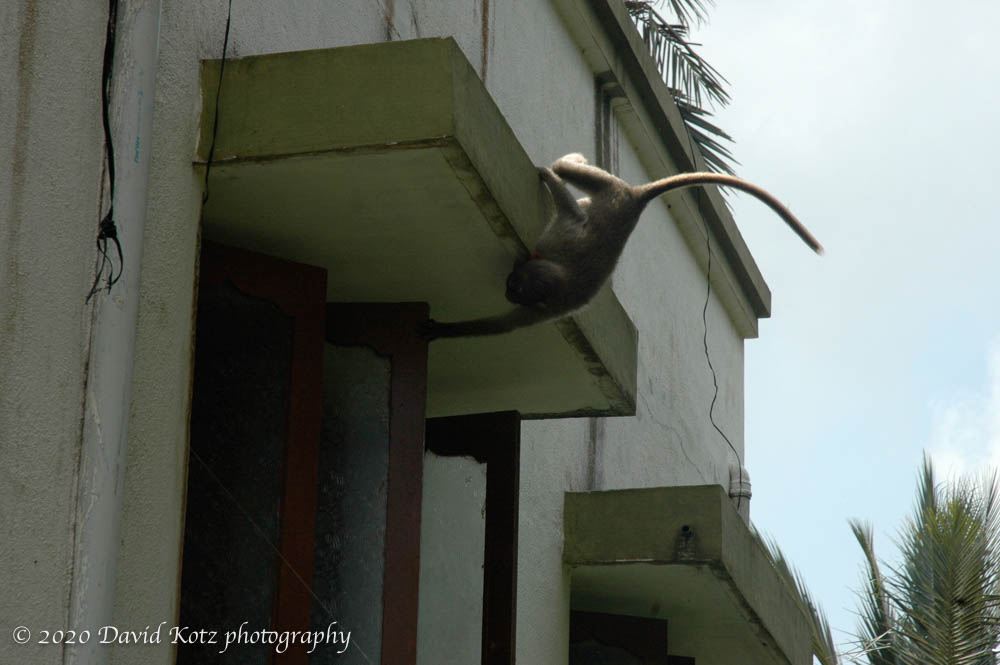
The monkeys of Chamundi Hill attempt to raid a kitchen in Mysore.
The monkeys of Chamundi Hill attempt to raid a kitchen in Mysore; if you click and look closely, you can also see a huge spider that happened to be between me and the scene of the crime.

I was half right.  The bars are there to keep out thieving primates, but not specifically humans.  These pictures are from off-campus, but there is a band of monkeys that lives on campus and we have had one hanging on the bars of our dining-room window, eyeing the bananas on the table. Our neighbors tell stories of monkeys strolling into the house, opening the fridge, and walking off with whatever tastes good.  We often see them poking through the outdoor trash bins (there are no covered dumpsters here).

When I stopped to take these pictures, on Chamundi Hill in Mysore, Pam and the kids continued walking. Pam was carrying a small bunch of bananas we had brought for our snack during the outing.  Zip! they were gone from her hand, before she had even noticed the monkeys.  The following photo shows the monkey stuffing its cheeks with our bananas. 
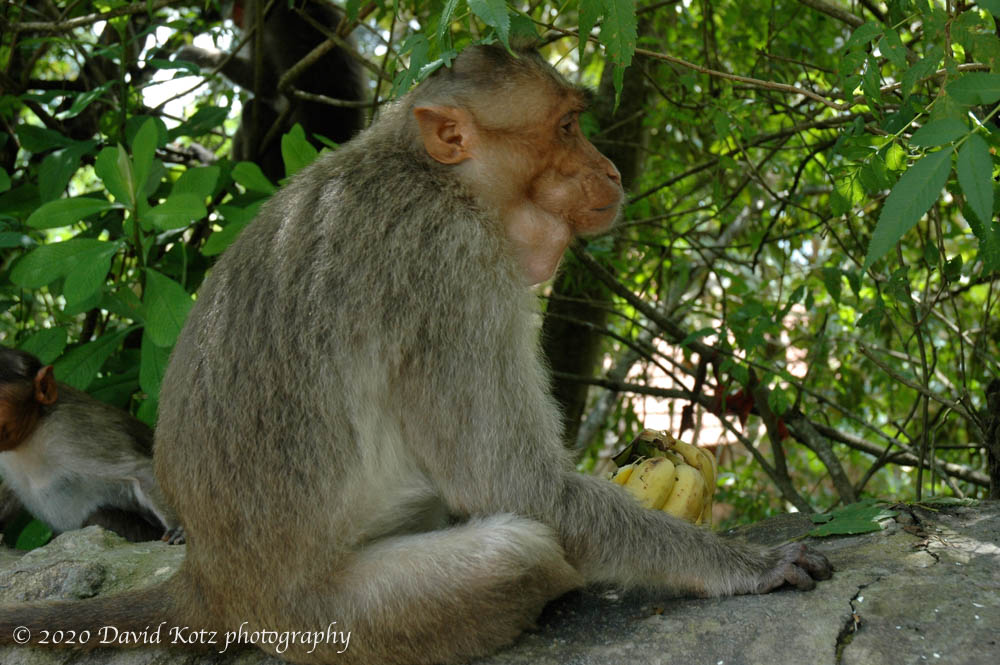
This monkey grabbed the bananas right out of Pam’s hand, while she was walking to Chamundi temple in Mysore. His mouth is stuffed with banana.

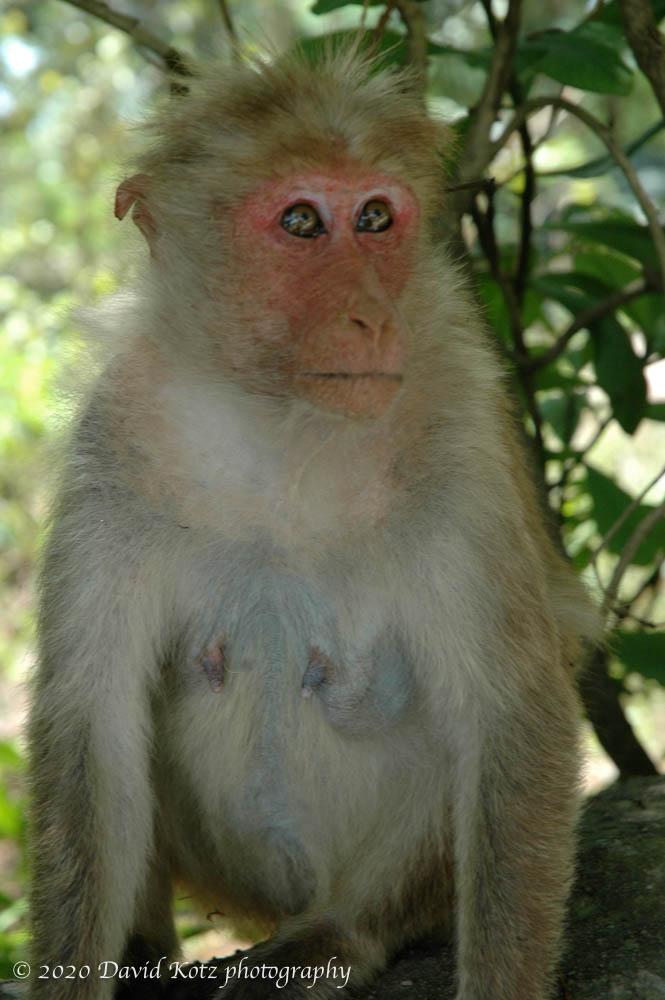
I’m told these monkeys are Bonnet Macaques

Bonnet macaque, Mysore.

Update: the next day, a dozen monkeys lumbered by while I was out hanging laundry on the roof.

This post was transferred from MobileMe to WordPress in 2020, with an effort to retain the content as close to the original as possible; I recognize that some comments may now seem dated or some links may now be broken.
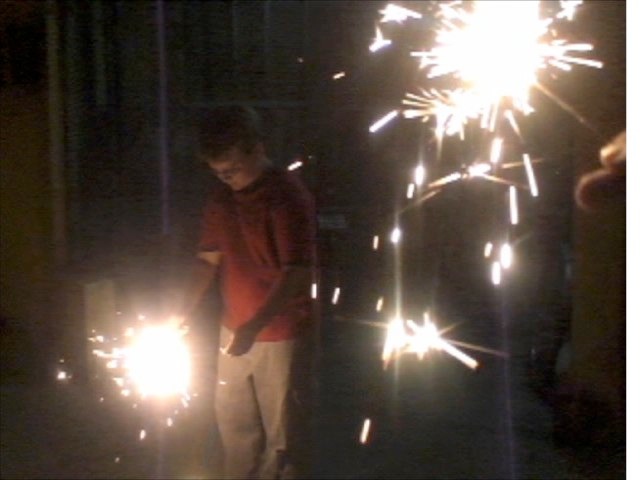

Diwali

Diwali is one of the most beloved festivals in India.

The neighbors just fired a cannon.  Or, at least, that’s what it sounds like.  I nearly jumped out of my chair. Boom! there goes another one.

It is Diwali, or more traditionally, “Deepavali”. “While [it] is popularly known as the ‘festival of lights’, a more appropriate significance is ‘the new year of luck and wealth’.” “The festival marks the victory of good over evil, and uplifting of spiritual darkness.” [Wikipedia]  It marks the end of the harvest season, and for many businesses, the start of a new fiscal year. Read on!

Continue reading “Diwali”

A haircut

A haircut and an experience.

I had my last haircut just before we left NH, and it was getting desperately shaggy.   Fortunately, IISc has many services available on campus.  Most or all are independent vendors, who set up shop in rented nooks here and there.  Travel agents, banks, tailors, beauty salons, photocopies, vegies, milk, bread, you name it. So, I tried the men’s salon at the little marketplace near our apartment.  I was nervous that either a) it would be unsanitary or b) they would not understand my request and I’d get a bad haircut.

Arish, who appears to be the owner, speaks good English, though his partner (who cut my hair) does not.  Arish translated and explained what I wanted.  The other man snipped away with what seemed to be 100-year-old scissors, while Arish chatted and worked on another customer.  He asked where I was from, how long I was staying, how old I am, and why I have a scar on the back of my neck.  In general, I find Indians to be much more willing to ask such questions than Americans, who avoid such “personal” questions.

Anyway, the result was a very good haircut.  When that was done, he pulled out his straight razor – those things always make me nervous – and shaved the back of my neck.  Finally, he dusted me off with a gentle brush and talcum powder.  The price? 20 rupees! (40 cents, at today’s rate.)  On the other hand, they used the same dirty scissors and comb as for the previous guy, so as a precaution I washed my hair when I got back home.

This post was transferred from MobileMe to WordPress in 2020, with an effort to retain the content as close to the original as possible; I recognize that some comments may now seem dated or some links may now be broken.
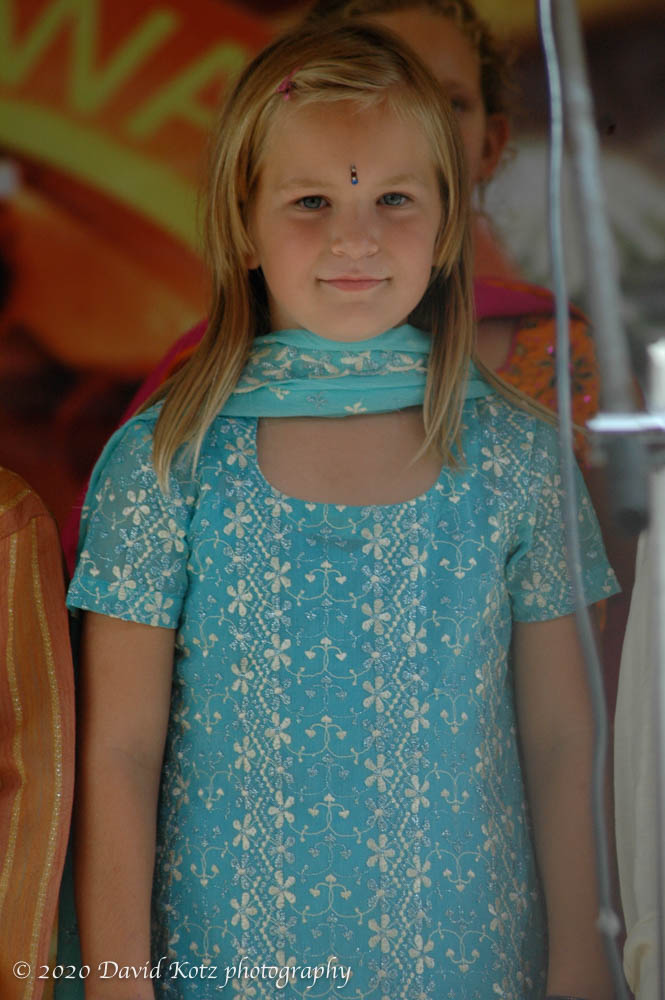
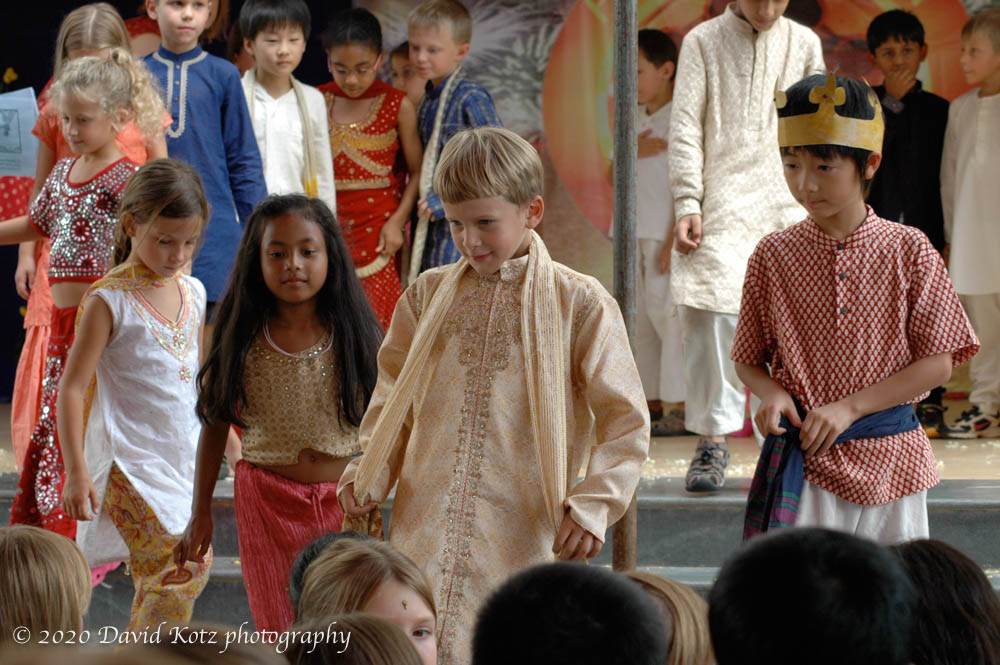
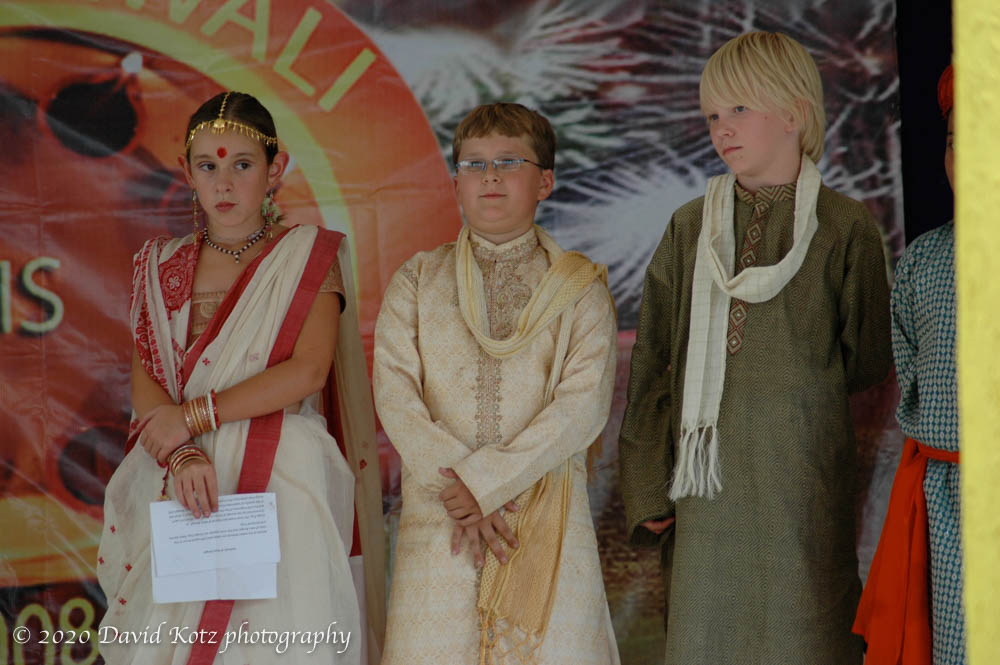
Diwali at CIS

School performance day.

Mara and the 4th grade
Mara and her classmates performing during Diwali festival at CIS.

Our kids go to the Canadian International School in Bangalore [location], and the whole school put on a show on the Friday before Diwali weekend.  Mara and the 4th grade, Andy and the 2nd grade, John and the 6th grade. 

Andy and the 2nd grade
Andy and his classmates finish their performance of “Rama and Sita” for Diwali, at CIS.
John and the 6th grade
John and his classmates performing during Diwali festival at CIS.

This post was transferred from MobileMe to WordPress in 2020, with an effort to retain the content as close to the original as possible; I recognize that some comments may now seem dated or some links may now be broken.
Wonder la

We attended a birthday party for Andy’s second-grade classmate at Wonder la, a nearby amusement park.

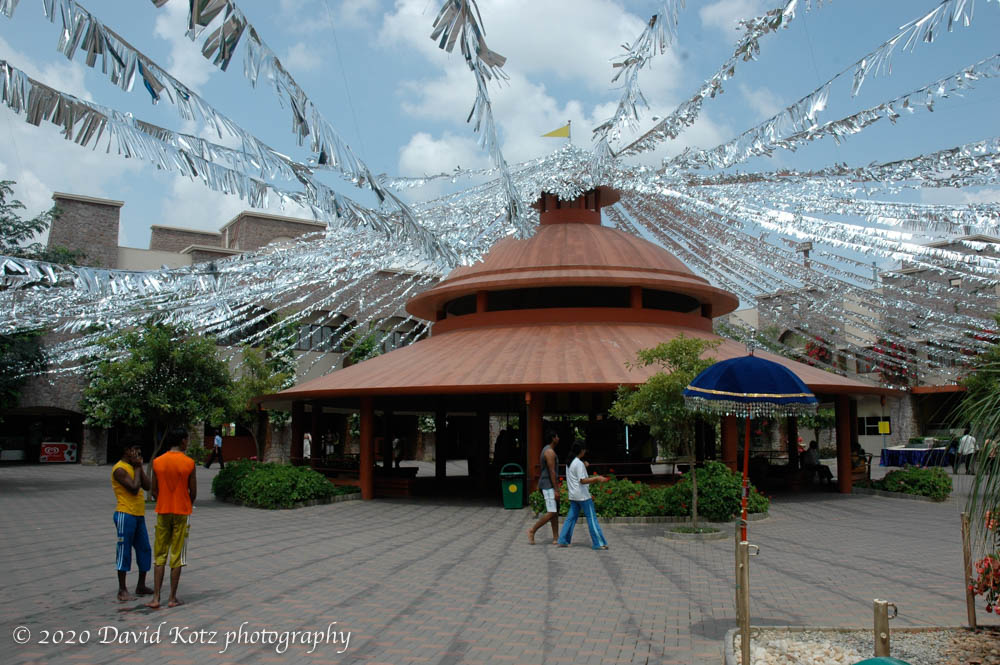
Andy was invited to a birthday party for one of his second-grade classmates. The party was held at Wonder la, a new amusement park 23km outside Bangalore [location].  The kids had a great time, because park admission gave them access to all the rides.  Pizza, rides, and then cake and presents, on a hot sunny day…  what could be better? See photos.

At the ‘Wonder la’ amusement park, outside Bangalore.

Once you go through the gate, you feel as if you’re in a spotless amusement park that might be anywhere in the west – although with women in saris swimming in the water park, it’s still India.  Teenage Indian boys seemed to enjoy all the rides, even those intended for young kids, highlighting the novelty of such a park.

At one point, the park lost power – such is the infrastructure – and although the power resumed a minute later, we watched as some workers had to push one of the rides up a hill to get it started again.

Andy’s CIS classmates are very international.  The birthday boy is the son of a Finnish father and Portuguese mother, though he was born in Sweden and now lives in India.  Andy’s best friend is from Japan; his father works at Kowasaki.  Others were from all over Europe, and even from the US.

This post was transferred from MobileMe to WordPress in 2020, with an effort to retain the content as close to the original as possible; I recognize that some comments may now seem dated or some links may now be broken.
IISc photos

Some photos of our new campus home (Aug-Dec 2008).

I’ve been playing with my new digital SLR camera; I’m just starting to get the hang of it.  The IISc campus is a rich opportunity for photographs. Here are a few photos from around campus; this gallery expanded to include more photos taken in 2008. The original 2008 galleries, posted when this blog was on MobileMe, were split into several albums and may have included a slightly different set of photos. In 2020 I re-created them as best I could when that blog was migrated here to WordPress.

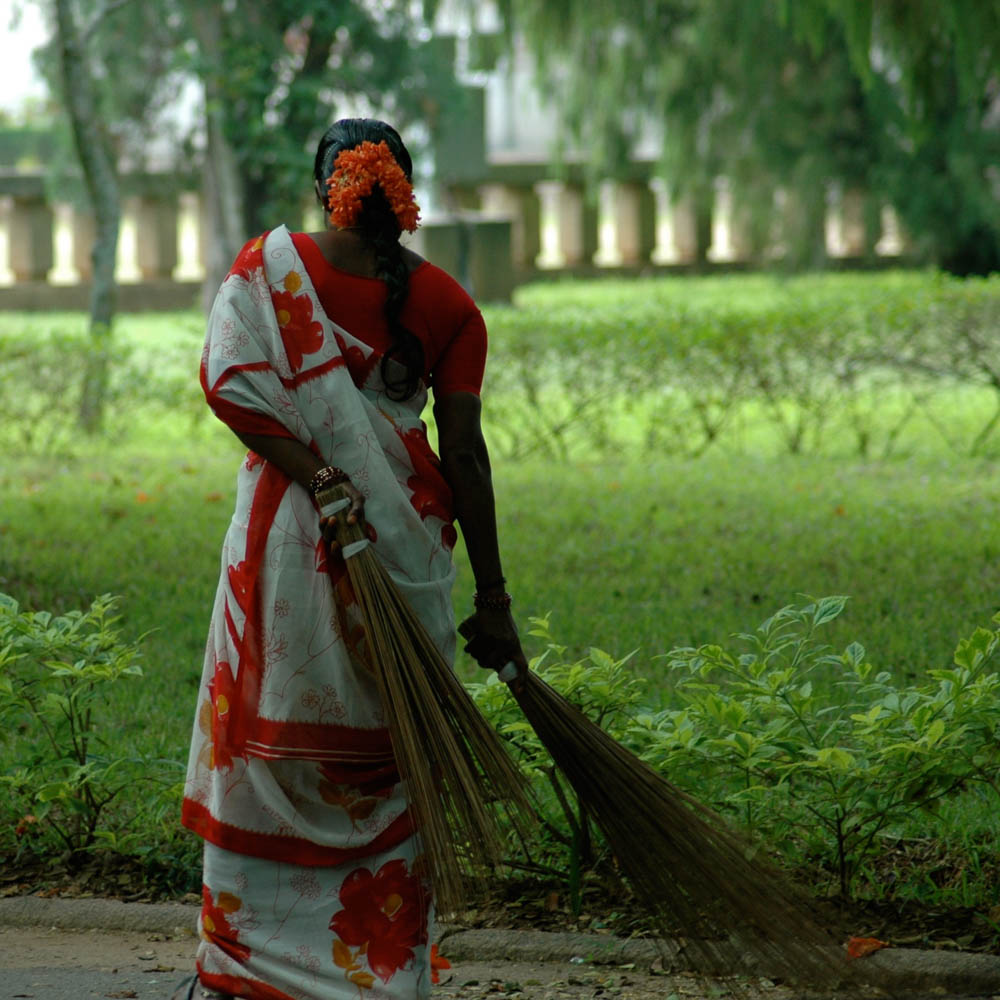
IISc street sweeper.

This post was transferred from MobileMe to WordPress in 2020, with an effort to retain the content as close to the original as possible; I recognize that some comments may now seem dated or some links may now be broken.
Trash – recycling?

There is so much trash.

There is so much trash. In one sense, nothing seems to be recycled; on the other hand, some people say, everything is recycled. In any case, there is trash everywhere you look.

Bangaloreans seem to ignore the trash all around them; dumped in the creeks that pass through the city, heaped on vacant lots, and scattered about the streets and alleys.  Even here on the beautiful IISc campus, trash is inexplicably left here and there, caught in the weeds beside the road or dumped in the woods.   Indeed, the standard operating procedure for contractors seems to be to simply dump their refuse in the woods, beside the road, not even out of sight.  When electricians came to our apartment to replace old light fixtures, we later found all the old fixtures and packaging materials dumped in the back yard.  Around the academic buildings there are clear piles, some old and some new, of bricks, tiles, old sinks, and the like.  Despite the 100th anniversary celebration coming up in December, nobody seems concerned about the trash and dumps around campus.

Many people drink bottled water – when we go out to eat, it’s the only thing safe to drink. So India is awash in plastic bottles.  It is very hard for me to simply throw plastic bottles, beer cans, and wine bottles in the trash, but there is no other option.  

On the other hand, as one IT company person told me, everything in India is ultimately recycled anyway. The poorest people go through the trash, picking out bottles and other useful items. Pavan Varma writes, “A million kabadiwallahs (peddlers of junk) make a living from finding something of value in trash.  They are willing to buy or sell any junk, from newspapers to empty bottles.  Their business premise is simple: everything has the capacity of being recycled, because everyone is looking to minimize costs. Thus the neighborhood grocer keeps paper bags made out of trashed newspapers, the poor look to make a bargain on the throwaways of the rich, and used plastic bags are recycled by plastic manufacturers.  It is estimated that 60 per cent of India’s plastic waste is recycled, compared to 10 per cent in China and 12 per cent in Japan.” [BeingIndian] Not bad, considering that I’ve never seen a single recycling bin in India.

trash dumped behind a wall, not far from our apt.

This post was transferred from MobileMe to WordPress in 2020, with an effort to retain the content as close to the original as possible; I recognize that some comments may now seem dated or some links may now be broken.
Dinner time

Good home cooking.

We were lucky to quickly find and hire a cook, who comes to our apartment 6 days a week to cook dinner for us.  I think the convention is for a cook to come 7 days a week, twice a day, but it’s good to have a day off and we like to make our own breakfast. The kids get a hot meal in the school cafeteria.

Our cook, Vijayalakshmi, makes dishes in the local South Indian style, and so far we have asked her to stick with vegetarian food.  She typically cooks rice, a curry, a soup or side dish, and often a bread (roti, chapati, papad, etc.).  She makes everything from scratch, and generally does the shopping as well.  (This bit is important, as it is hard for us to get out to the grocery store and we don’t know enough about finding and using the local markets.)  I think most of what she cooks is fantastic, although I have no idea what it’s called – I need to do a better job of asking her the name for these dishes.  She uses many local vegetables I can’t identify, including some little leaves for which she even doesn’t know the name.

The first meal was very spicy – I thought it was great, but we’ve asked her to tone it down because the kids don’t like it as spicy.

I took a few photos of the kids eating a dinner that they particularly liked – chapatis and a potato/curry dish.  This meal, like many, is to be eaten with your hands.  More precisely, with your right hand, as Indians find it offensive if you use your left hand for eating.

This post was transferred from MobileMe to WordPress in 2020, with an effort to retain the content as close to the original as possible; I recognize that some comments may now seem dated or some links may now be broken.

Inglish

I was naively expecting people in India to speak English.

I was naively expecting people in India to speak English.  Sure, I know very well that there are hundreds of local and regional languages, but I thought everyone also knew English, at least people in major cities.  Wrong.

The local language in the Bangalore region is Kannada; most signs around town are in both English in Kannada, although some state- and local-government signs (which they seem to expect only locals to read) are only in Kannada.  The language on the street is uniformly Kannada, and if you go into a shop the first shopkeeper you meet will, after hearing you speak English, beckon a second shopkeeper who might understand a little more.  Even on the IISc campus, which caters to students from all over India (who therefore know Hindi or another regional language, rather than Kannada), the maintenance workers and security-gate guards speak little English.  I need an interpreter to speak to the women who clean my office or the electricians who come to the apartment.

On the other hand, Indian authorities love formalities.  To get anything done you need a formal letter from someone important.  To get a pass for the gym, I needed a letter of introduction from the department chair.  Same for the library.  Same for the pool.  Same for the security gate.  I have other letters from Fulbright.  The language in these letters express a formality that I guess comes from British days. My favorite phrase is that which asks the reader to “please do the needful” and accept the request of the letter’s carrier.

The limited English ability of many Indians shows on the English written on many products. I find this odd, considering that Indian manufacturers could surely find someone with strong English skills to proofread their labels.  I found this cereal box especially amusing, partly for its “Inglish” and partly for the sentiments it tries to communicate. “…avoids dowdy or slacking & keeps one alert, attractive, young, impressive, dominating, and longevity. … maintain smart physique, stamina & sexual urge.” You don’t see health claims quite this explicit on US cereal boxes! 

This post was transferred from MobileMe to WordPress in 2020, with an effort to retain the content as close to the original as possible; I recognize that some comments may now seem dated or some links may now be broken.

Bannerghatta National Park

We visited the Bannerghatta National Park and reserve.

We made a day out of a visit to Bannerghatta National Park, an 11,000 hectare reserve about 25km south of Bangalore [location]. Although it seems close, it is nonetheless a 2-hour drive from our home in the northern section of Bangalore.  Heavy traffic and poor road conditions, not to mention frequent diversions around cows in the road, make for slow going.

We stopped for a quick lunch at a tiny, run-down restaurant along the way.  The food was cheap – the five of us ate for $6 – but I perhaps I can characterize the atmosphere by its bathroom facilities: his & hers outhouses in the backyard.

Our first priority was to take a ride on the Lion and Tiger Safari.  About 20 people piled into a small bus – with windows covered in strong mesh – for a 45-minute drive into the reserve. It was easy to find, and get close to, the lions and tigers, because they do not roam freely over the park; they live in fairly small enclosures.  The park has 6 lions and 25 tigers in the forested enclosures, plus more lions in their circus-lion rehab center.

The zoo itself was interesting, with many fascinating creatures: leopards, cobras, pythons, macaques, birds, and even some from Africa (zebras and hippos).  My favorites, though, were the elephants and monkeys.  At one point, the elephant handlers brought three elephants on a walk through the zoo, and stopped to let us touch the elephant.  Neat!  I was told that there were many wild elephants that roam the broader park, but they only come out at dusk after the park closes.

The monkeys were not part of the exhibit. At a US zoo, you might see squirrels roaming the grounds, picking through the trash and perhaps even checking out some of the zoo animals.  At this zoo, local monkeys roamed freely.  They and their babies are very cute!

See photos.

This post was transferred from MobileMe to WordPress in 2020, with an effort to retain the content as close to the original as possible; I recognize that some comments may now seem dated or some links may now be broken.