I had a chance to spend a long weekend in Avignon, one of the most beautiful old cities of Provence. Read on!
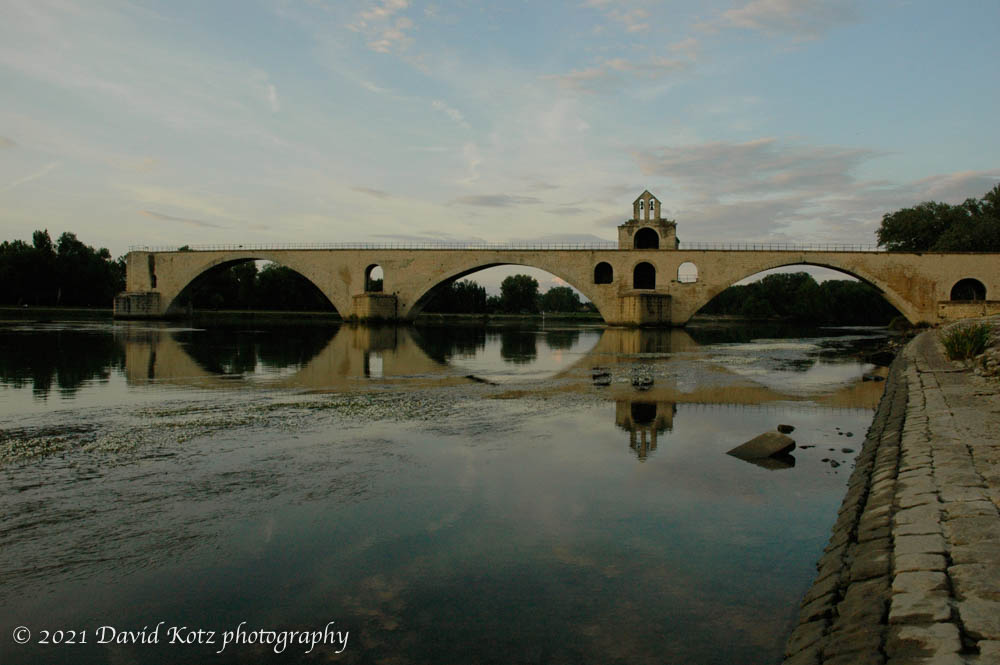

A few days in Avignon and some of the surrounding areas, under sunny skies and in fantastic weather.
I had a chance to spend a long weekend in Avignon, one of the most beautiful old cities of Provence. Read on!
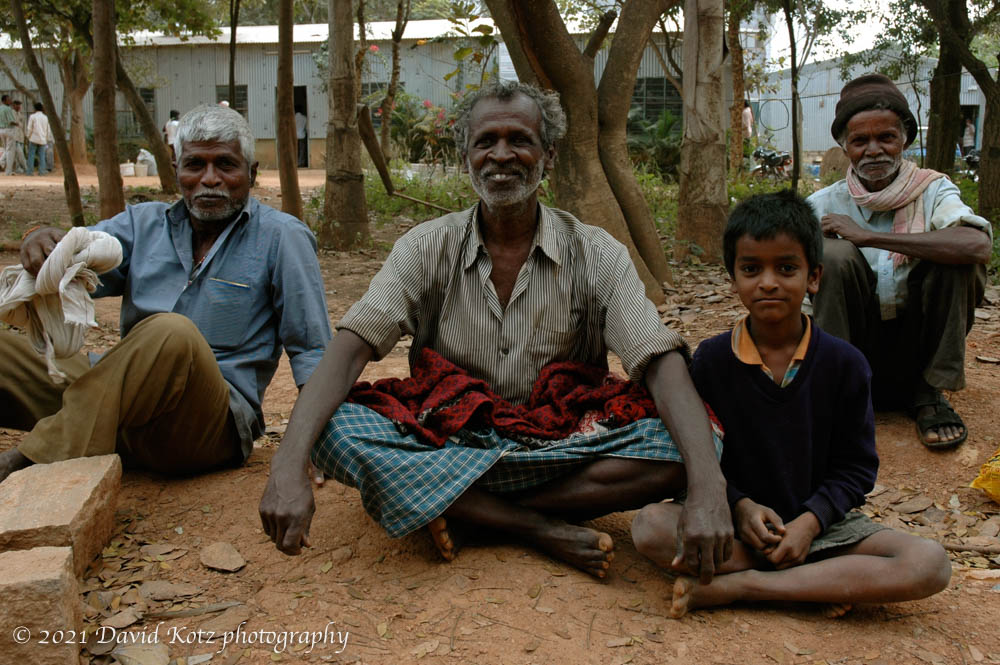
A chance to return to Bangalore, for 8 days.
I had many reasons to return to India. There are the professional reasons, of course – I had a paper accepted at WISARD (a workshop associated with COMSNETS in Bangalore), and I was invited to participate in an Indo-US workshop on infrastructure security, held at IISc. But, personally, I was really missing India. The friendly people, the fantastic food, the sights and sounds and smells, and let’s face it, the nice weather this time of year. Read on for more…
Almost a year away from home.
We’re home! After just 24 days less than a year away from home, we’re back. According to the airline, we flew 29,000 miles, from Boston to Paris to Bangalore to Sydney to Auckland to Fiji to Charleston to Boston, not to mention all the layovers in between.
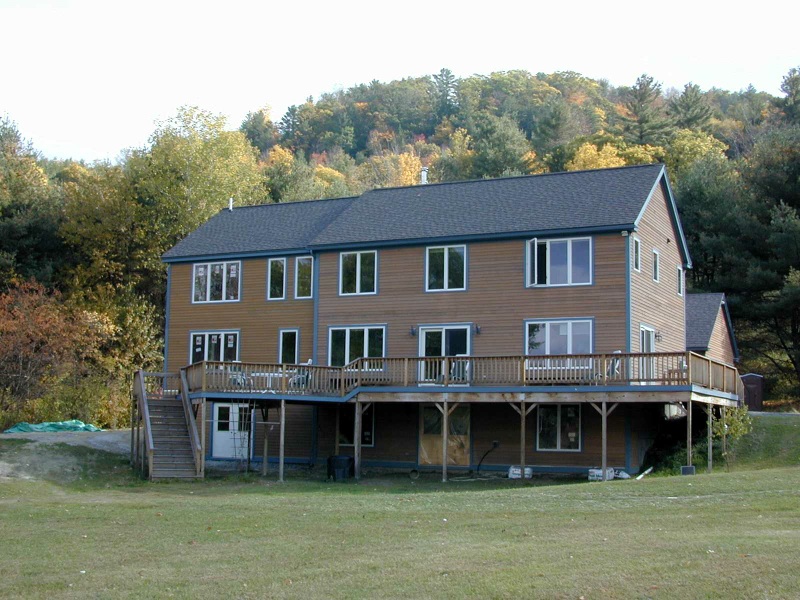
It’s nice to be back, although a little strange. The house is pretty much the same, though I now see it through different eyes. It seems huge, and we seem to have so much stuff. The cat recognizes us, and seems to he happy that we’re back. We’re buried in boxes, having shipped home almost two dozen bags and boxes as well as the 10 checked and 6 carry-on bags we brought with us (and which, believe it or not, I managed to fit into my Prius along with all five of us, to get home from the bus stop.)
I’m not sure I’ll be adding much to this blog for a while. I think it will be nice to not be traveling. If I find some time, I might dig through some of the videotape I shot while in India; although I focused most on still photos, some of the videos might be fun.
This post was transferred from MobileMe to WordPress in 2021, with an effort to retain the content as close to the original as possible; I recognize that some comments may now seem dated or some links may now be broken.
My favorite non-fiction about India so far.
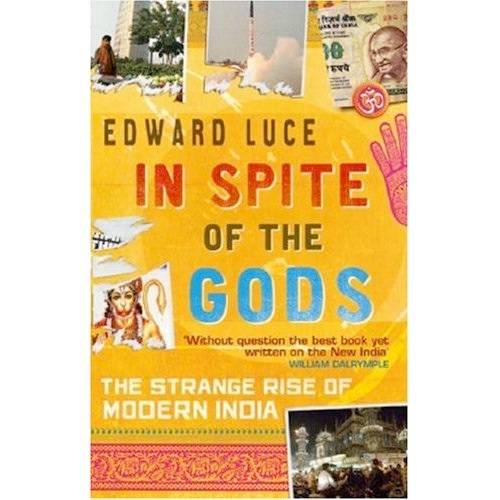
I’ve just finished reading this excellent 2006 book by Edward Luce, a journalist who lived in India for five years as the South Asia bureau chief for Financial Times, and who is married to an Indian. His prose is wonderful, his insights fascinating, and his anecdotes amusing. Definitely my favorite non-fiction about India so far [though I still recommend Nilekani’s more recent book Imagining India.] It is a must-read for anyone who wants to begin to understand India.
In his conclusion, Luce cites four major challenges that India must face in order to thrive:
Indeed, he quotes Vijay Kelkar in noting that “The twenty-first century is India’s to lose.” Huge challenges, and huge opportunity.
For a more extensive (and professional) review of the book, see the NYT reviews [Macintyre, Grimes]; the NPR interview with the author is also very interesting. The book is available on Amazon.
This post was transferred from MobileMe to WordPress in 2021, with an effort to retain the content as close to the original as possible; I recognize that some comments may now seem dated or some links may now be broken.
The best of the best.
With 5,662 ‘keeper’ photos from India, it was awfully difficult to narrow them down to my favorites. I tried to select a dozen in each of several categories, based on a mixture of criteria – trying to represent the diversity of people and experiences, and also an amateur notion of what makes a nice photograph. I hope you’ll enjoy them!
[nature] [people] [children] [farms] [streets] [sights] [IISc] [universities]
This post was transferred from MobileMe to WordPress in 2021, with an effort to retain the content as close to the original as possible; I recognize that some comments may now seem dated or some links may now be broken.
A dozen favorite photos from each place.
For those readers – if I have any – who may have been overwhelmed by all the albums I’ve been posting in recent weeks (I know I have!), this blog entry is for you.
I selected a dozen favorite photos each from Australia, New Zealand, and Fiji, for your viewing pleasure. Well, actually, New Zealand’s “dozen” has 15 photos, because I could not bear to part with any of them.
The index page also provides links to the start of each country’s visit.
This post was transferred from MobileMe to WordPress in 2021, with an effort to retain the content as close to the original as possible; I recognize that some comments may now seem dated or some links may now be broken.
Twenty years ago I was a patient at Lautoka hospital. Today we visited and had a look around.
Twenty years ago, on June 23, 1989, I was enjoying the last day of my family’s trip in Fiji. We had taken the “Coral Coast railway”, an old sugar-cane train converted into a tourist excursion train, to the beautiful Natadola beach. While bodysurfing there, I broke my neck. As my father’s story indicates, I ended up at the hospital in Lautoka. Although my parents returned there a few years later, to deliver a container-full of donated medical equipment, I myself had never been back. Indeed, even on the first visit I had never seen anything other than the ceilings ;-).
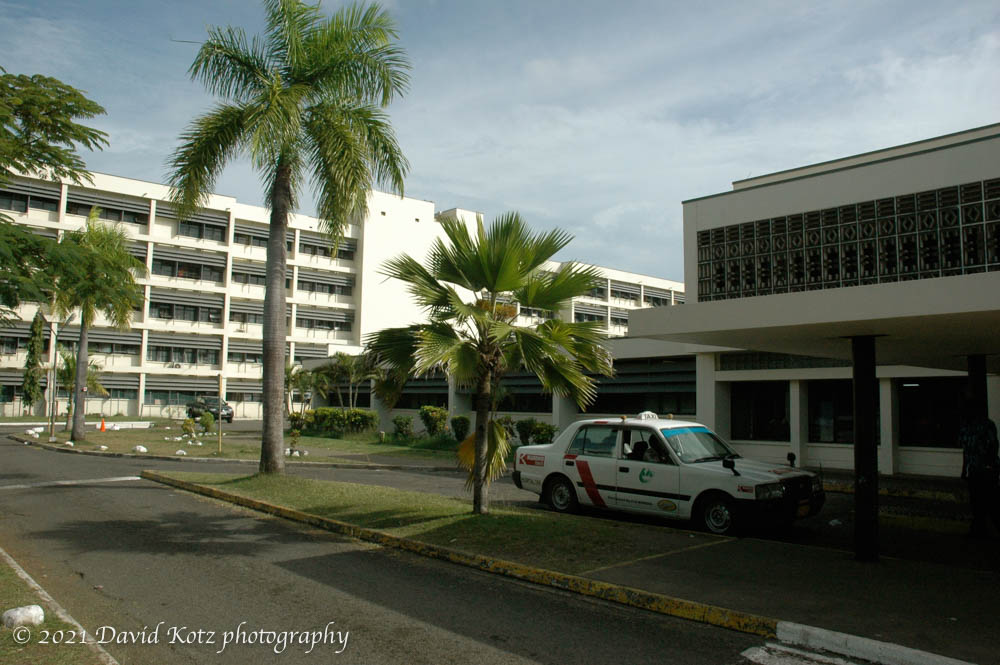
Today we stopped by for a visit, and simply asked to look around. The staff was very polite and friendly, and we had no problem wandering the halls and peeking into the wards. I felt a little intrusive so I took only a few photos.
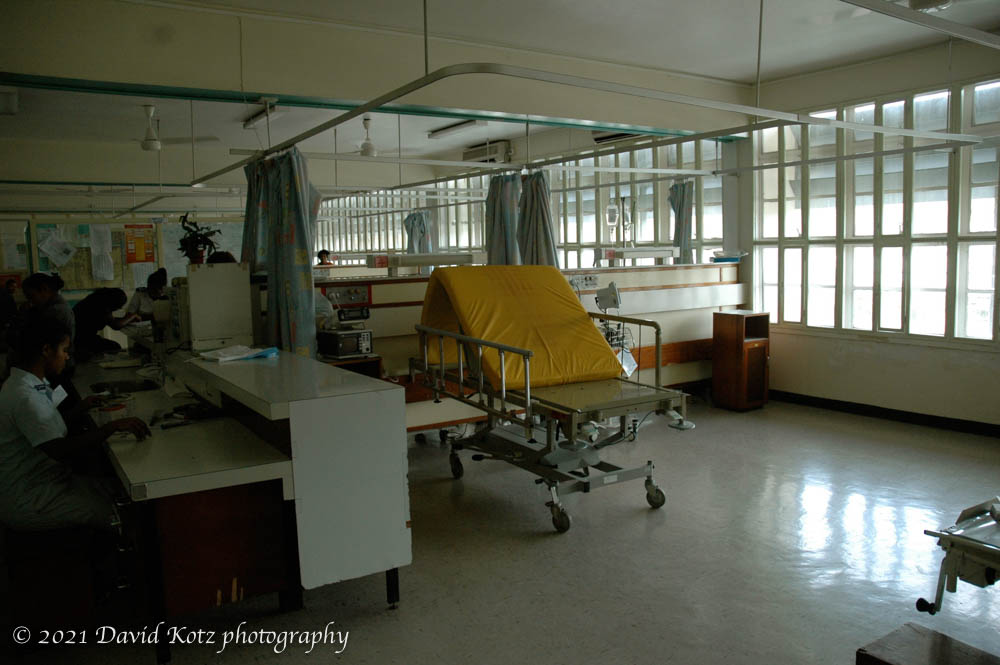
In the Tragedy subsection of the 1989 blog post, my father (Jack) wrote about me (Dave), my brother (Pete), and my mother (Katie). It’s a long but compelling read.
This post was transferred from MobileMe to WordPress in 2021, with an effort to retain the content as close to the original as possible; I recognize that some comments may now seem dated or some links may now be broken.
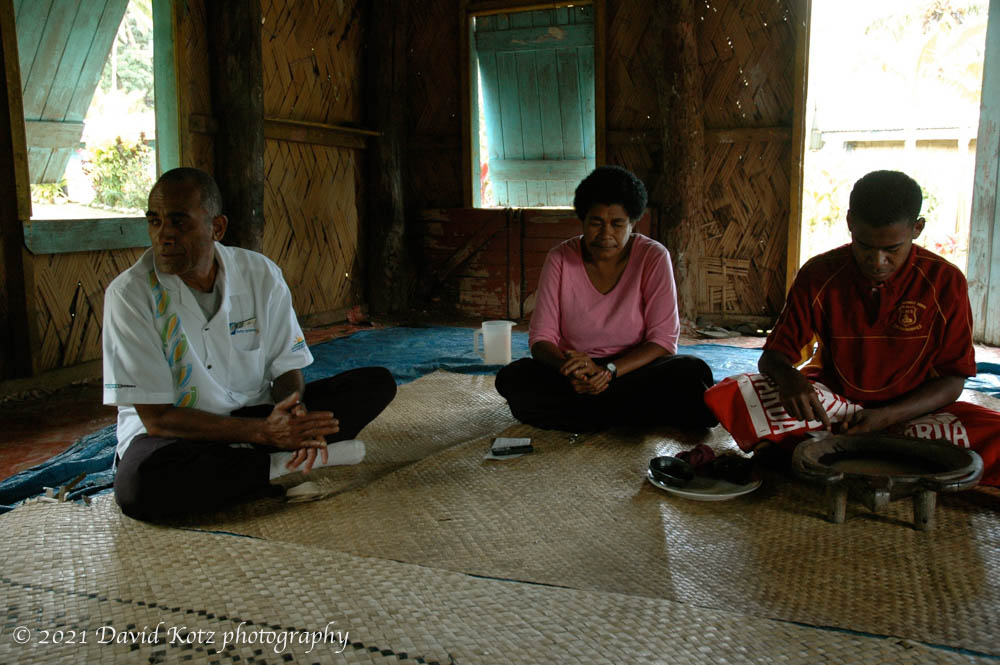
A small village in the highlands above Lautoka, a bit east of Nadi.
We spent Monday morning on a tour up into the hills above Nadi and Lautoka, to see a small village called Abaca. In Fijian, ‘b’ is pronounced ‘mb’, ‘d’ is pronounced ‘nd’, and ‘c’ is pronounced ‘th’. Thus we left Nandi to visit Ambatha. Read on!
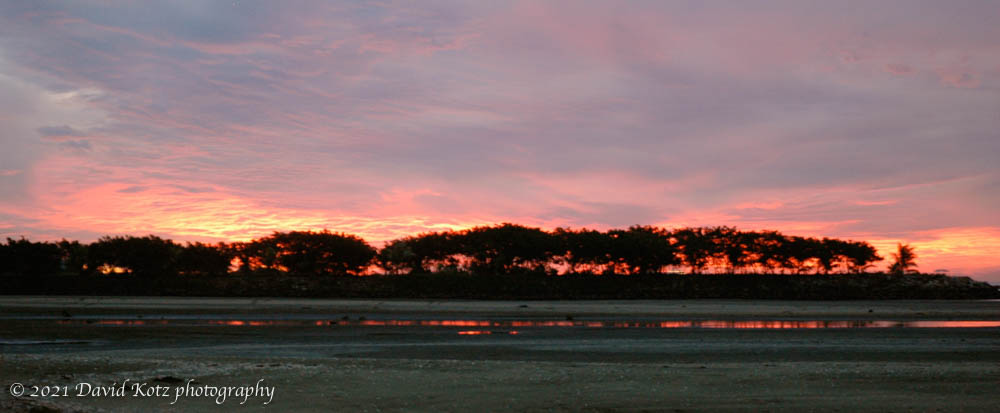
Our home on ‘mainland’ Fiji.
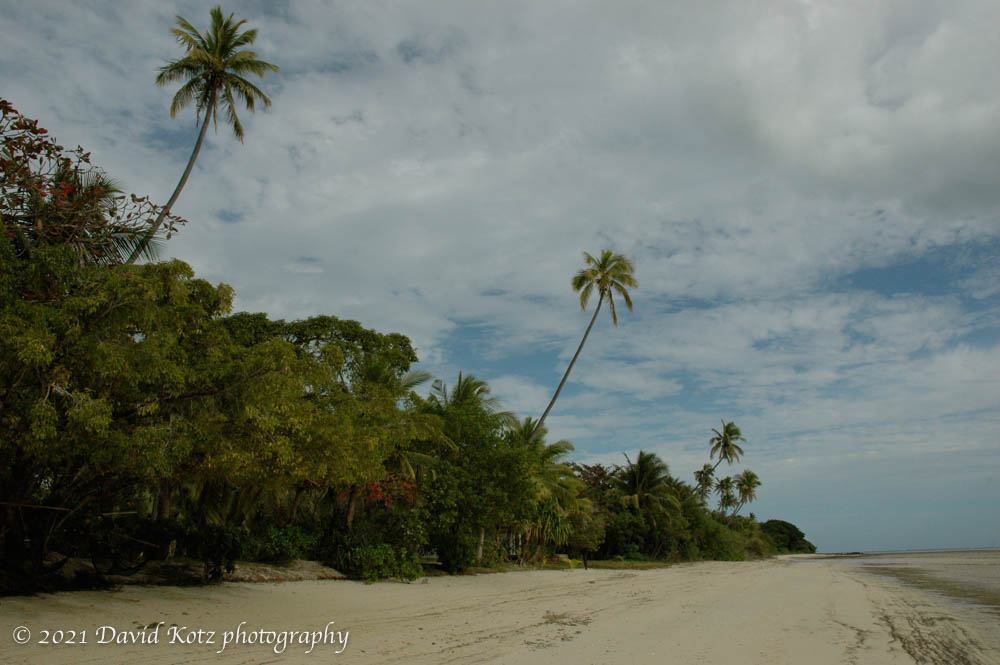
For our first night in Fiji we stayed at Club Fiji, a small beachside resort near Nadi. A lovely place. We stayed in a bure with two rooms, right across the lawn from the beach and the sea. The beach here is on Nadi bay, which is very shallow at this point. At high tide, the bay was a pretty blue but at low tide, the beach was a vast area of tidepools and mudflats. Still, this makes for interesting exploring and a huge area for seeking shells. Read on!
This small island is the quintessential tropical paradise, with white sandy beaches, palm trees, sea breezes, and coral reefs.
Ah, Fiji. Quite the contrast from the chilly winter in New Zealand! The highlight of our time in Fiji was a stay on Malolo lailai island, at Musket Cove resort. Read on! and check out the photos.
 David Kotz