A week off the grid on the coast of Alaska – photographing bears.
This post is part of a series about our photography trip to Alaska.
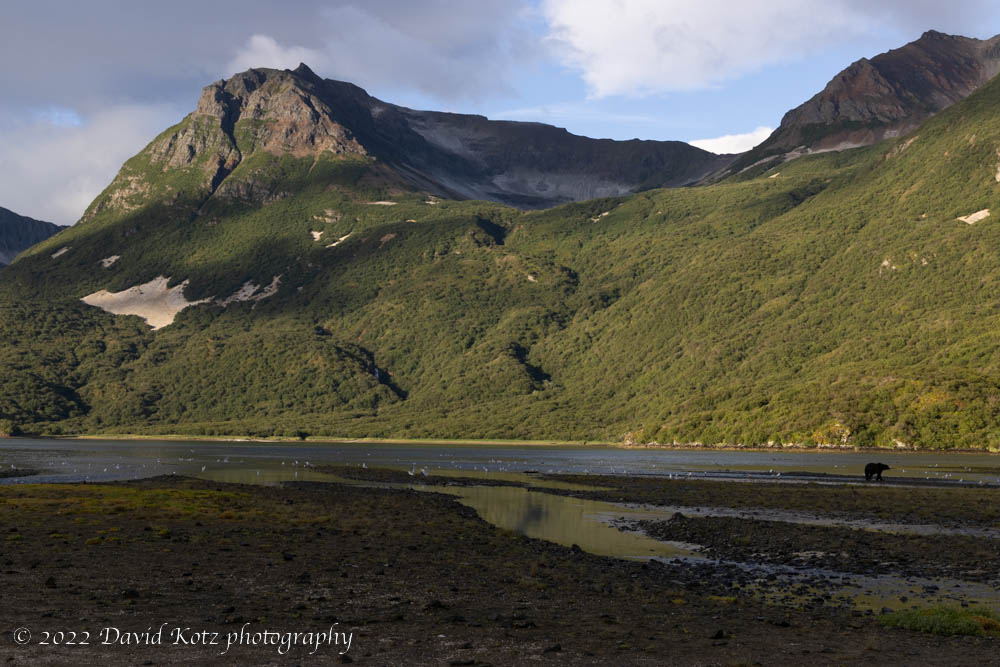
Thursday (September 1) Geographic Harbor: We visited the beach (and bears) in the morning. It was a beautiful day, with the clouds passing over and through the hills surrounding the bay. Read on, though, for photos of the bears and other wildlife spotted this day!
A week off the grid on the coast of Alaska – photographing bears.
This post is part of a series about our photography trip to Alaska.
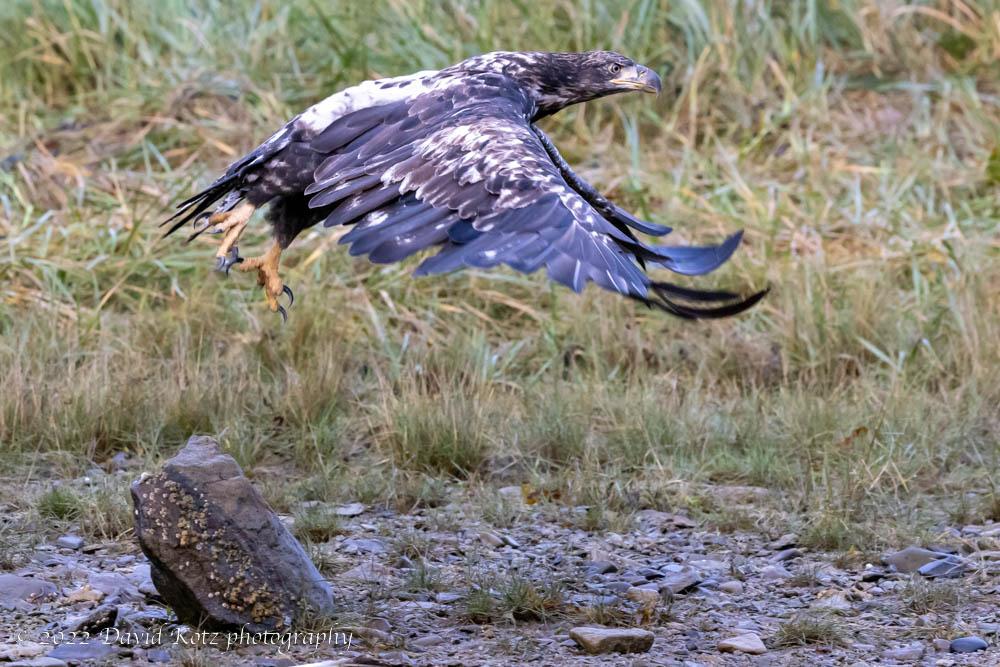
Tuesday (August 30) Kuliak Bay, Hidden Harbor, Geographic Harbor: An early breakfast allowed us to reach the beach by 8am, where an immature bald eagle was perched on driftwood as if waiting for a dozen photographers to capture its portrait. My favorite photo from the sequence came moments after it launched from its beachfront perch. What else did we see in the next two days? read on.
A week off the grid on the coast of Alaska – photographing bears.
This post is part of a series about our photography trip to Alaska.
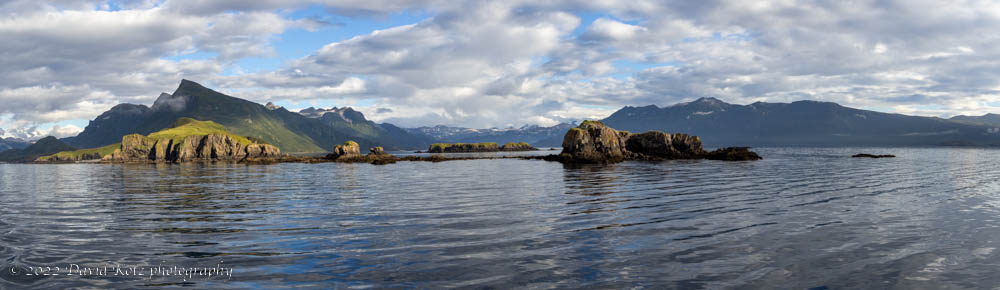
Monday (August 29) Kuliak Bay: Today we decided to move to another bay, also well known for bears: Kuliak Bay. So we spent a few hours motoring out from Geographic Harbor and Amalik Bay, then northeast through the Shelikof Strait along the Katmai coastline. It was a gorgeous day with calm seas and scattered clouds, with snow-capped peaks in the distance behind the coastal hills. Read on to see what we found in Kuliak Bay…
A week off the grid on the coast of Alaska – photographing bears.
This post is part of a series about our photography trip to Alaska.
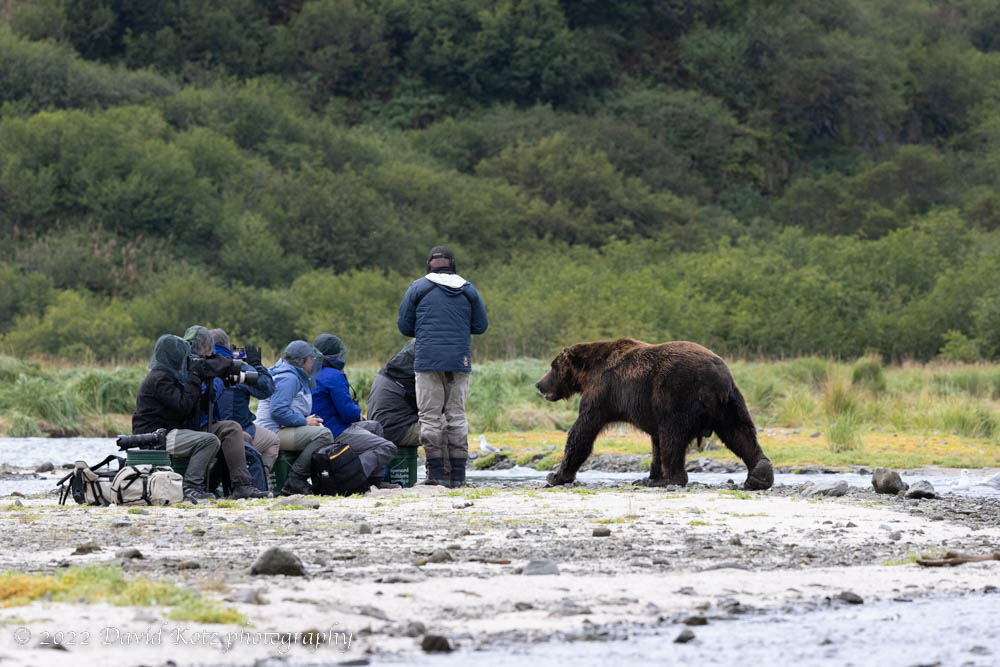
Sunday (August 28) Geographic Harbor: We rose for an early breakfast so we could return to the beach during low tide. Many bears were out today, as was another group of photographers. There are no lodges or cabins or roads with access to the extensive shoreline of Katmai National Park, so visitors all arrive by ship or plane and groups (like us) sleep on-board ships. Throughout the trip we were often the only group in a bay, and thus on shore; sometimes there was one (or maybe two) other boats sharing the same bay (and beach). Rarely, we’d see a small group of day-trippers arrive by floatplane. The guides, like our Captain Rob, all knew each other, and there was a tacit understanding that groups stayed out of the way of each other; still, it was sometimes possible to photograph bears as they passed by another group.
A week off the grid on the coast of Alaska – photographing bears.
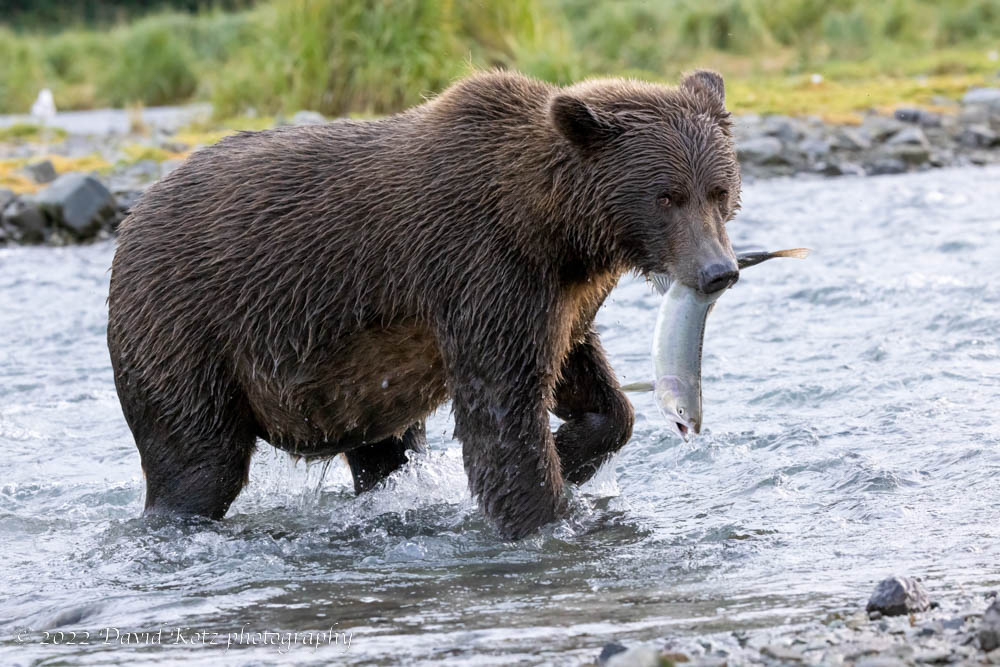
Brown bear, just after catching a salmon – Geographic Harbor, Katmai National Park.
My father and I spent a week on a photography workshop in Katmai National Park, on the southern coast of Alaska west of Anchorage. The trip was organized by Muench photography workshops and was an outstanding opportunity to refine my photography skills in a beautiful setting – up close and personal with Alaskan brown bears as they feasted on the annual salmon run. We spent seven nights on the Dreamcatcher, a small ship that allowed us to anchor in several bays along the Katmai coastline, using its skiffs to visit shore two or three times daily. We saw dozens of bears, as they were feasting on the annual salmon run, up close and personal. I snapped over 8,000 photos and it will take me many weeks to find time to sort, process, and share them all. For now, I’ll post retroactively in segments – with a few preliminary/teaser photos. [I finally posted the edited photographs in November.]
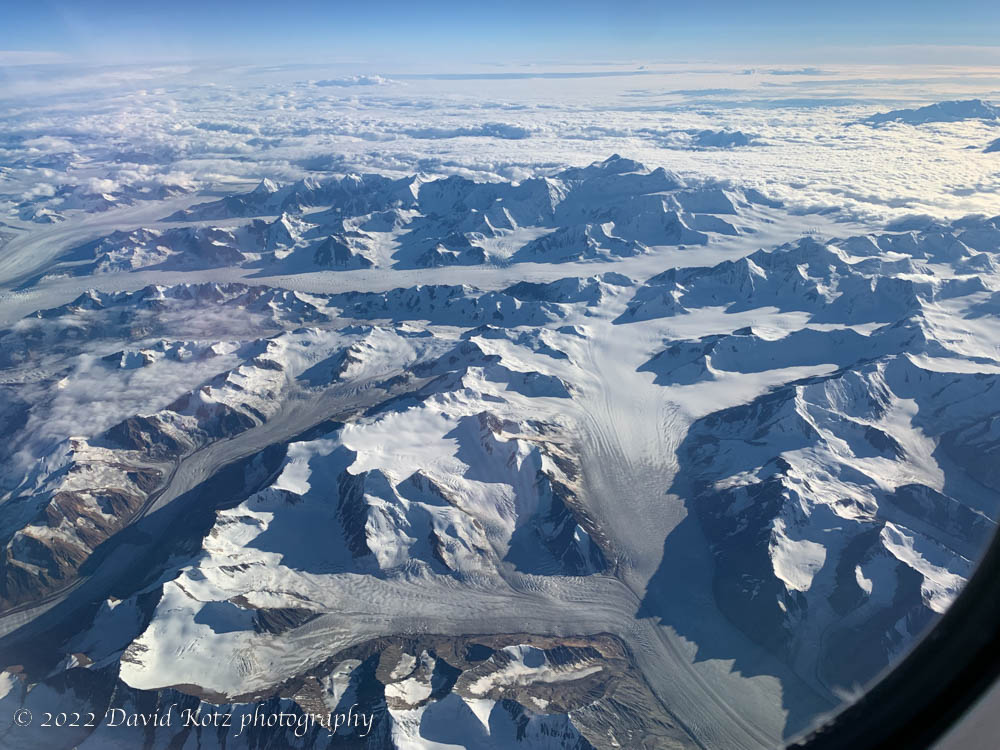
In the first moments of my return to Alaska – my first visit in over three decades – the pilot announced there was a fine view to be seen on the port side. From the in-flight map I noted we were 36,000 feet over over Canada’s Kluane National Park, looking southwest into the Alaska panhandle. The scenery was awe-inspiring, with vast glaciers punctuated by rugged mountains:
Looking roughly southwest from a plane over Canada’s Kluane National Park..
Why am I headed for Alaska? I met my father there and we’re about to embark on a trip to Katmai National Park. Read on…
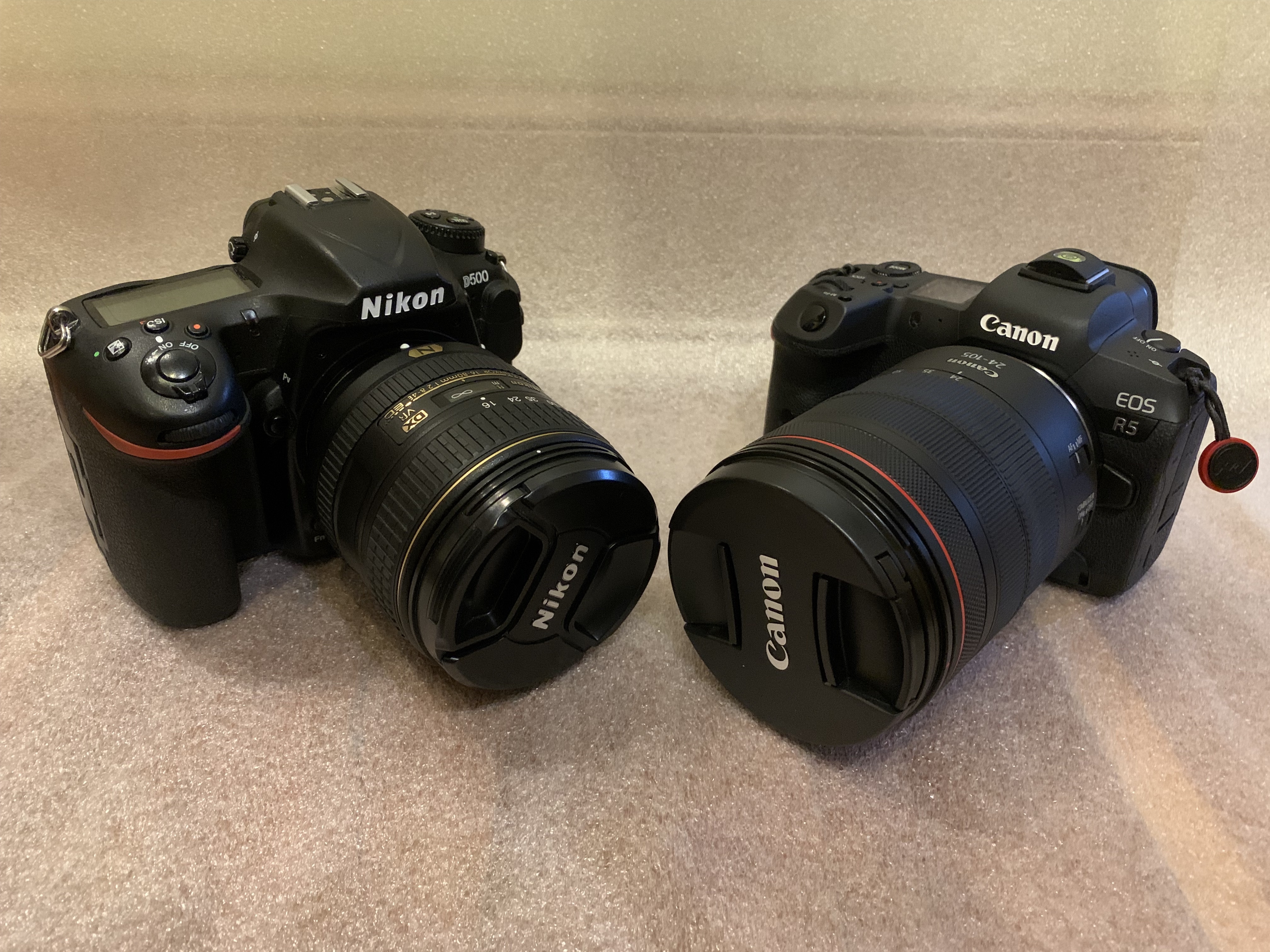
One of my goals for my recent camera upgrade was to jump from a ‘crop-sensor camera’ (like the Nikon D500) to a ‘full-frame camera’ (like the Canon R5). I had long avoided the full-frame cameras like the Nikon D800 and D850 because they (and their lenses) were so much larger, heavier, and costlier… but I favor smaller and lighter equipment because I like to be able to hike with them.
The switch from DLSR to mirrorless, however, enabled me to get a full-frame camera body (Canon R5) that was actually lighter (738g) than the crop-sensor camera body (Nikon D500) that I had been using (860g). To be fair, though, the R5 with its 24-105mm kit lens was heavier (1438g) than the D500 with its 16-80mm kit lens (1340g). But, I rationalized, it’s full frame! better quality, right?
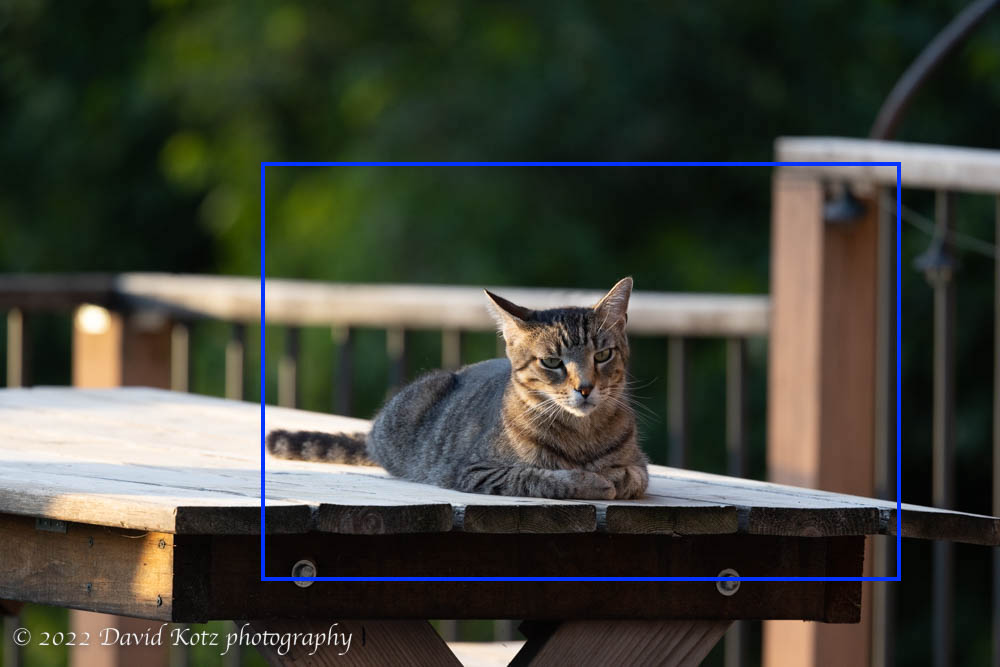
But what else was I gaining… or losing? People often say that crop-sensor cameras have better ‘reach’ – because their effective focal length is a multiple of the lens focal length, making subjects appear ‘closer’. The truth is much more complicated. Read on.
I’ve been a Nikon photographer for nearly forty years – first with an SLR and then a DSLR – but decided to upgrade to mirrorless and settled on a Canon EOS R5 after extensive research. Here’s why.
Thus concludes four lovely days in Acadia National Park and Bar Harbor, Maine. In my recent posts I have shared stories and photos from my hikes and other activities. But not everything fit, so let me share a final photo gallery – distinct from photos in the other galleries, it is a mixed bag of scenery, activity, and food :-). I especially like the video of Boulder Beach where, if you listen carefully, you can hear the boulders rolling in the surf as it recedes.
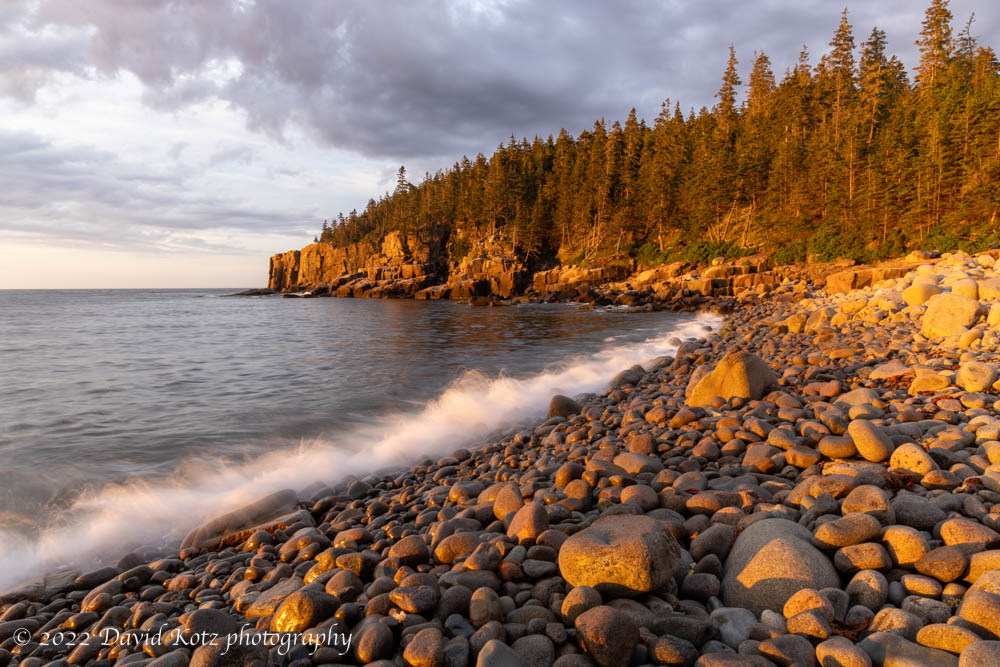
Acadia is well-known for sunrise and sunset views. Indeed, many people vie for reservations to drive up Cadillac Mountain for sunrise, purportedly one of the earliest sunrise views in the U.S. because of its elevation and far-eastern position in the timezone. But for the same reason, sunrise here is remarkably early: every day this week it has been between 4:50am and 4:57am, and that is later than it was on the summer solstice a few weeks ago. I am not interested in sunrise from the peak – indeed, I find it far more interesting to photograph scenery illuminated by the golden rays of the sun than to photograph the sun itself. After some reading, I learned that Boulder Beach, on the eastern shore, is a great location. It’s also only 10 minutes drive from my hotel in Bar Harbor.
I’m an early riser. Still, when the alarm went off at 4:00am this morning, it was tough to drag myself out of bed and prepare for the day. Out in the parking lot I fired up my JetBoil camp stove to boil water for tea – no place is open this early! – and headed south in the growing twilight toward Otter Cliffs. I parked at a nearby picnic area and walked over to the beach, with 15 minutes to spare before sunrise, only to find three other tripod-rigged photographers already on scene. It was none other than John Putnam, of JK Photography, whom I’d met a couple of days ago in his gallery over in Southwest Harbor. He was out here with two clients, sharing his wisdom and tips for sunrise photography. I’d seen his photograph of sunrise at this spot, back in the gallery, and it is awe-inspiring.
I explored a few different shot locations and exposures. The sun rose through some clouds, so the cliffs illuminated a bit late, and the clouds behind them never quite lit up. But it was a fine morning and I’m pleased with the result. Wish I could try again and again. See the photo gallery for more.
Otter Cliffs from Boulder Beach at sunrise; Acadia National Park.
After the sunrise had faded, I walked closer to the cliffs to find a seal swimming toward me, curious; it bobbed for a moment, then dove away to find its breakfast.
Ok, now it’s 6:00am. It’s starting to rain. What else will the day bring?

 David Kotz